
Beautiful Plants For Your Interior
Beautiful Plants For Your Interior
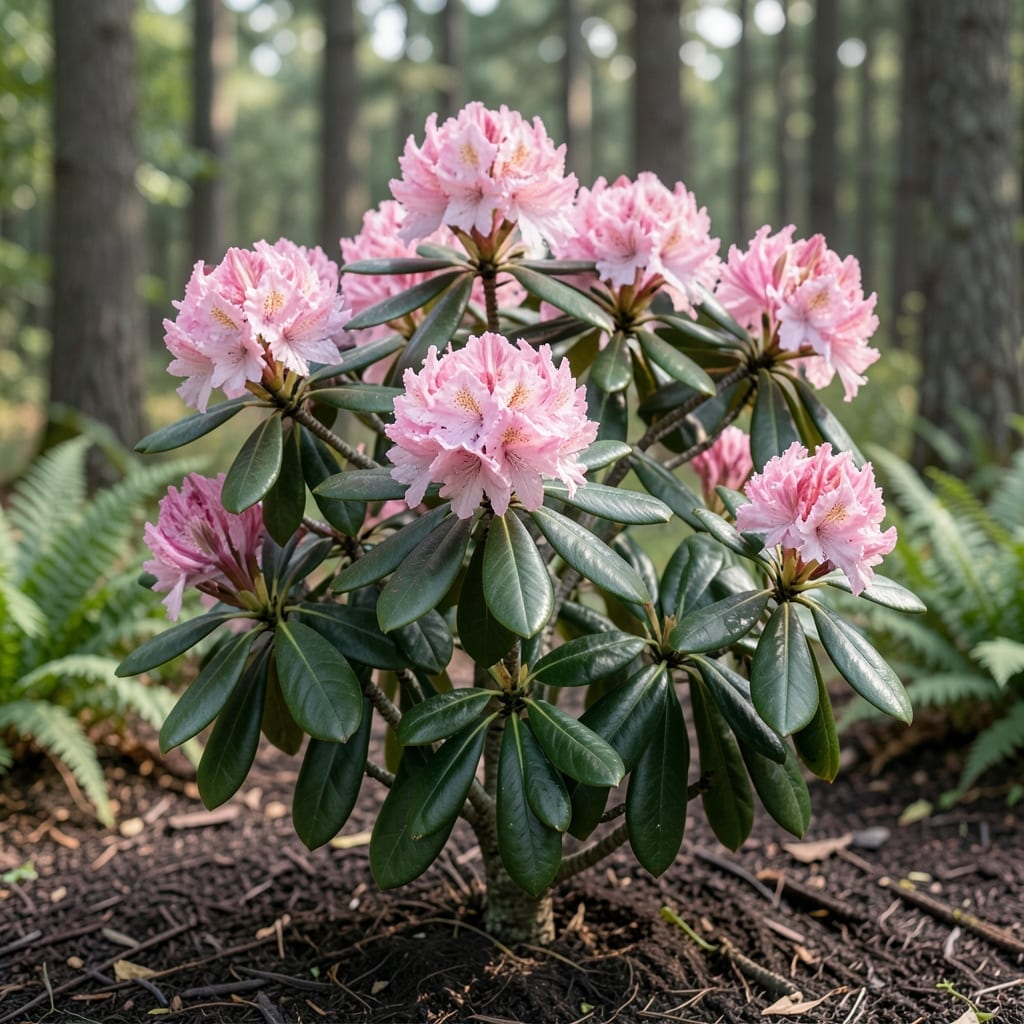
Rhododendrons can transform your garden with their vibrant 🌸 blooms, but their success hinges on one critical factor: getting the light conditions just right.
Too much sun can scorch their delicate leaves, while too much shade may leave you with sparse flowers. It’s all about finding that sweet spot where your Rhododendron can truly thrive.
Whether you’re working with a sunny backyard or a shady corner, understanding these needs will make all the difference. I’ve seen firsthand how the right balance brings out the most stunning displays.
Discover how to assess your garden’s light and choose the perfect spot for your Rhododendron to flourish season after season.
 Best Window Placement
If you’re wondering whether rhododendrons thrive in shade or sun, the answer lies in balance. These beautiful shrubs typically prefer partial shade, especially in hotter climates. Too much direct sunlight can scorch their leaves, while deep shade may limit blooming.
In my experience, 4-6 hours of morning sun followed by afternoon shade creates the perfect environment. This mimics their natural habitat under tall trees in mountainous regions. The key is to avoid intense afternoon heat, which can stress the plant.
| Requirement | Specification |
|---|---|
| Ideal Light | Partial shade |
| Sun Hours | 4-6 hours |
| Best Sun | Morning sun |
| Shade Type | Dappled or light |
For gardeners in cooler climates (USDA zones 4-6), rhododendrons can handle more sun. I’ve seen them flourish with 6-8 hours of sunlight in northern gardens. However, they still need protection from harsh midday rays to prevent leaf damage.
In southern regions (zones 7-8), afternoon shade becomes crucial. The intense heat can cause leaf wilt and bud drop. I recommend planting them on the east side of buildings or under tall deciduous trees for natural shade.
Soil moisture plays a role too. Well-draining acidic soil helps rhododendrons tolerate more sun. If your soil is heavy or alkaline, they’ll need more shade to compensate. I always test my soil pH before planting.
Different varieties have varying needs. Some sun-tolerant cultivars like ‘Caroline’ or ‘PJM’ can handle full sun in cooler areas. Meanwhile, shade-loving types like ‘Blue Diamond’ prefer more protection from direct light.
For container-grown rhododendrons, you have more control. I move my potted plants to follow the morning sun and keep them in afternoon shade. This flexibility is great for balcony gardeners or those with limited space.
Remember, even shade-loving rhododendrons need some light to bloom. Deep shade will result in fewer flowers and leggy growth. Aim for that sweet spot of filtered sunlight for the best results.
Finally, observe your plants. If leaves look bleached or crispy, they’re getting too much sun. If they’re sparse and not flowering, they might need more light. Adjust accordingly for healthy, vibrant rhododendrons 🌿
If your rhododendron leaves look brown and crispy at the edges, it’s likely getting too much direct sunlight. This is a common sign of sunburn, especially in hotter climates.
On the other hand, sparse blooms or long, leggy stems often mean your plant isn’t getting enough light. Rhododendrons need a balance to thrive and produce those stunning flowers.
⚠️ Watch For These Light Issues
I’ve found that morning sun with afternoon shade works best for most varieties. This protects them from the harshest rays while still providing the energy they need for growth.
If you notice wilting in the afternoon, your rhododendron might be struggling with heat. Consider moving it to a shadier spot or adding a shade cloth during peak sun hours.
For deep shade gardens, look for varieties like ‘PJM’ or ‘Caroline’, which tolerate lower light better than others. They’ll still produce blooms, though they may be less abundant.
Finally, remember that consistent moisture helps your plant cope with light stress. Mulch around the base to retain soil moisture and keep roots cool. This simple step can make a big difference in your rhododendron’s health and flowering. 🌿