
Beautiful Plants For Your Interior
Beautiful Plants For Your Interior
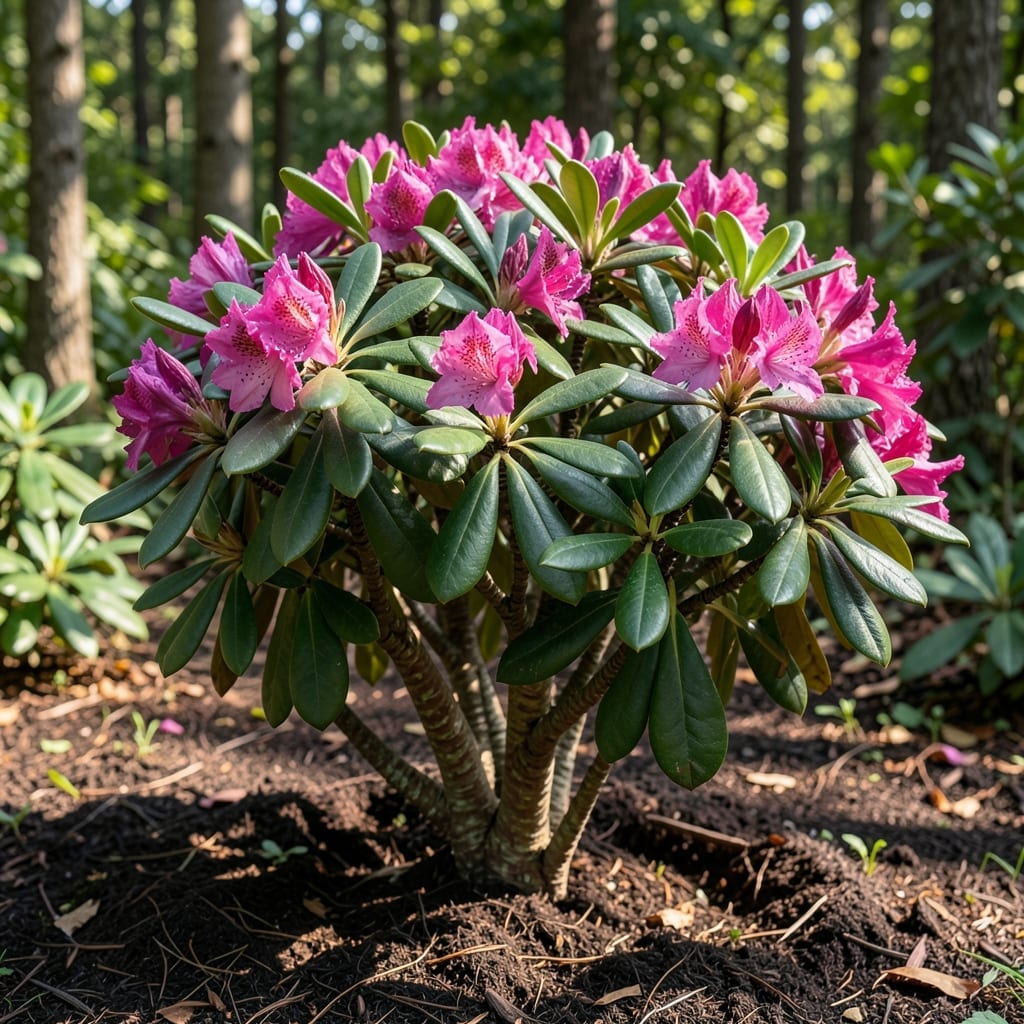
There’s nothing quite like watching your garden burst to life with the vibrant blooms of the 🌸 Rhododendron. Yet many gardeners miss the full spectacle because they don’t understand its unique flowering rhythm.
These stunning shrubs don’t follow a one-size-fits-all schedule – their bloom time varies by variety and climate. In zones 4-8, you’ll typically see their magnificent display in spring, but the exact window can shift dramatically.
I’ve learned through years of gardening that timing your care makes all the difference. The good news? With the right approach, you can actually extend this spectacular show.
Let me walk you through the seasonal patterns of Rhododendron flowering and share my top tips for maximizing your garden’s color potential.
I’ve found that rhododendrons typically burst into bloom in mid to late spring, though the exact timing varies by climate and cultivar. In cooler zones like USDA 4-5, expect flowers in May, while warmer areas see blooms as early as March or April. 🌷
Early-season varieties like ‘PJM’ often flower first, followed by mid-season ‘Nova Zembla’ and late bloomers such as ‘Cunningham’s White’. These staggered bloom times can give your garden weeks of color if planned right.
| Variety | Bloom Time | USDA Zones |
|---|---|---|
| PJM | Early Spring | 4-7 |
| Nova Zembla | Mid Spring | 5-8 |
| Cunningham’s White | Late Spring | 5-8 |
| Purple Gem | Early to Mid Spring | 5-7 |
Regional microclimates also play a role. For example, rhododendrons in Pacific Northwest gardens often bloom earlier due to mild winters and consistent moisture. Meanwhile, in Appalachian regions, elevation can delay flowering by 2-3 weeks. ☀️
Soil acidity is another key factor. Rhododendrons thrive in pH 4.5-5.5 soil, and if the pH is off, you might see fewer blooms or stunted growth. I always recommend testing your soil before planting.
Sunlight exposure affects bloom timing too. Plants in full shade may flower later than those in partial sun. Aim for 4-6 hours of filtered light daily for the best results. 🌿
If you’re in a warmer zone like USDA 8, some rhododendrons might even produce a second flush of blooms in early summer, especially if they’re well-hydrated and fertilized properly.
I’ve noticed that younger plants (under 3 years) may take longer to establish their flowering rhythm. Patience is key—once mature, they’ll reward you with reliable annual blooms.
For gardeners in colder climates, protecting rhododendrons from late frosts is crucial. A sudden cold snap can damage flower buds, so keep an eye on the weather forecast in early spring.
Finally, remember that consistent watering—especially during bud formation in late summer—helps ensure a strong bloom the following year. I water my rhododendrons deeply once a week during dry spells. 💧
I’ve found that with the right care, you can coax longer blooms from your rhododendrons. The key is understanding their natural flowering cycle and making small adjustments to their environment.
Most rhododendrons bloom for 2-4 weeks in spring, but proper pruning and balanced fertilization can extend this. I always prune mine right after blooming to encourage next year’s flowers.
I’ve noticed that dwarf varieties often have a shorter bloom period than larger types. For example, my ‘PJM’ rhododendron flowers for about 3 weeks in early spring.
To get the most from your plants, avoid late-season pruning. This can remove the flower buds that have already formed for next year. I learned this the hard way after accidentally trimming mine in fall!
Another trick is deadheading spent blooms. While it won’t extend the current season, it redirects energy to new growth and future flowers. I do this weekly during the bloom period.
Finally, remember that healthy soil is the foundation. I test my soil pH annually and amend with sulfur or lime as needed to keep it between 4.5-6.0. This keeps my rhododendrons happy and blooming strongly year after year 🌿