
Beautiful Plants For Your Interior
Beautiful Plants For Your Interior
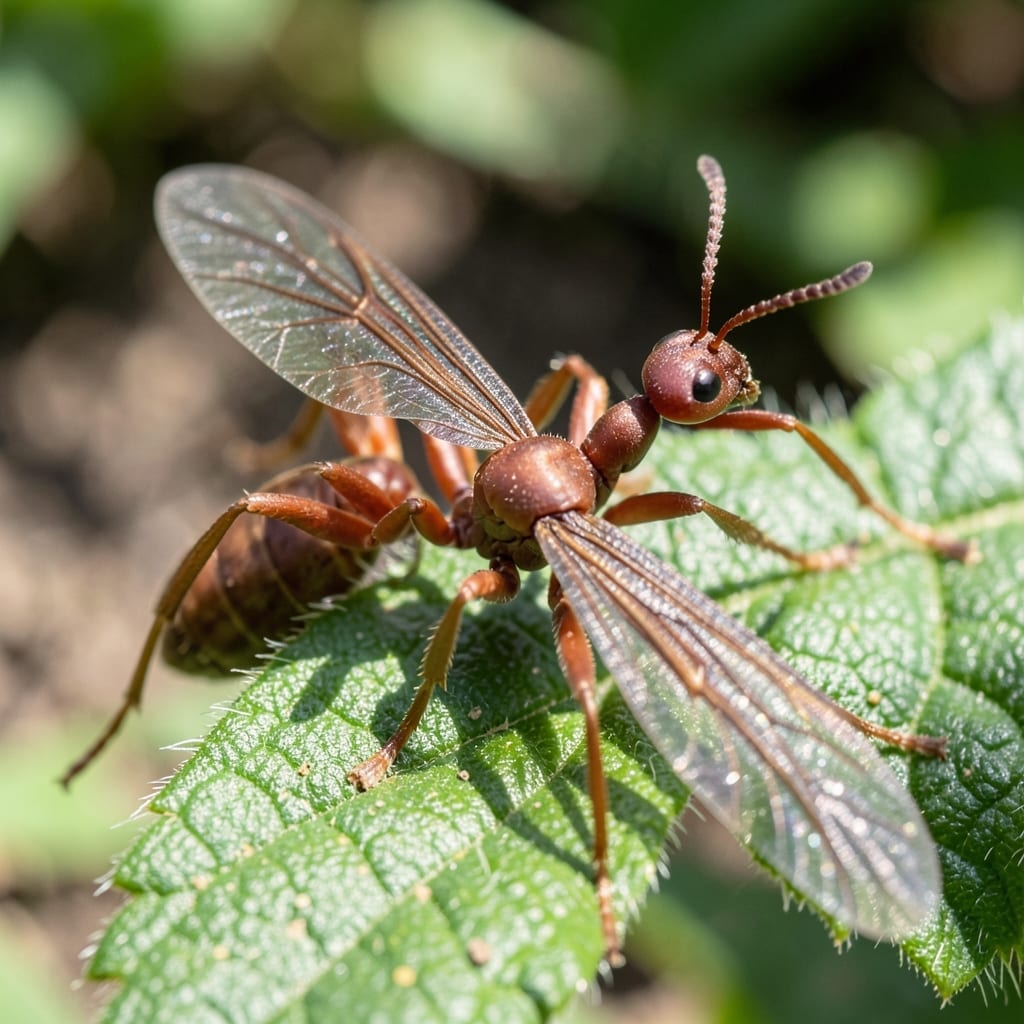
Spotted winged red ants in your garden? Don’t panic. I’ve dealt with these flying invaders more times than I’d like to admit, and I’m sharing what works to identify and remove them safely.
These aren’t your typical ants—they’re reproductive swarmers looking to establish new colonies. Catching them early prevents a full infestation, and the best part? You can handle this without harsh chemicals that harm beneficial insects.
Within 24-48 hours of applying the right approach, you’ll notice fewer ants. The key is consistency: check problem areas daily and reapply treatments as needed until they’re gone for good.
Works for flower beds, vegetable patches, and even indoor potted plants. Here’s how to take back your space.
The appearance of reddish ants with wings is often tied to specific biological and environmental triggers. These winged ants, known as alates, emerge for reproduction and colony expansion. Here’s why it happens:
Most winged ants appear during nuptial flights, a synchronized mating event. In many species, warm, humid weather—often after rain—signals the right time for reproduction. Male and female alates take flight to mate mid-air, with females later shedding their wings to start new colonies. This is nature’s way of ensuring genetic diversity and species survival.
Winged ants develop when an ant colony reaches maturity, typically after 2-5 years. A thriving, well-established colony produces alates as part of its lifecycle. If you spot them indoors, it may indicate a mature nest nearby, possibly hidden in walls, basements, or under flooring. This is a sign that the infestation has been present for a while.
Temperature and humidity play key roles. Winged ants often emerge in spring or summer when conditions are ideal for flight and survival. Sudden warmth or moisture can trigger their appearance, even indoors if the environment mimics outdoor conditions. Poor ventilation or damp areas in homes can encourage their development.
In some cases, colonies produce winged ants due to overcrowding or stress. Limited resources or disturbances (like pest control attempts) can accelerate alate production as the colony tries to relocate. This is a survival mechanism to ensure the colony’s continuation elsewhere.
Dealing with flying ants can be frustrating, but these practical solutions will help you regain control. Here’s how to tackle each common cause:
Fix leaky pipes, faucets, or AC units to remove standing water. Use a dehumidifier in damp areas like basements. Prevention tip: Seal cracks in walls and floors to block entry points.
Store food in airtight containers and clean up spills immediately. Take out trash regularly and keep pet food sealed. Pro tip: Wipe down counters with vinegar to erase scent trails.
Inspect windows, doors, and foundation gaps for tiny openings. Use caulk or weather stripping to seal them. Prevention tip: Install door sweeps and repair damaged screens.
Place ant bait stations near nests or entry points. Opt for slow-acting baits so workers share the poison with the colony. Pro tip: Avoid sprays—they scatter ants and worsen the problem.
Sprinkle diatomaceous earth or cinnamon near entryways. Essential oils like peppermint or citrus can also deter ants. Prevention tip: Reapply repellents after rain or cleaning.
For severe infestations, consider professional pest control. Stay vigilant to keep your home ant-free!
No, winged ants have elbowed antennae and a pinched waist, while termites have straight antennae and a broad waist. Ants also have two pairs of wings with the front pair longer than the back.
They often emerge during mating season or when a hidden colony matures. Check damp areas like basements or under sinks, as moisture attracts them.
Male flying ants die shortly after mating. Females can live for years if they establish a new colony, shedding their wings afterward.
Most species can bite but rarely do. Some, like fire ants, can sting, causing mild irritation. Avoid handling them to prevent reactions.