
Beautiful Plants For Your Interior
Beautiful Plants For Your Interior
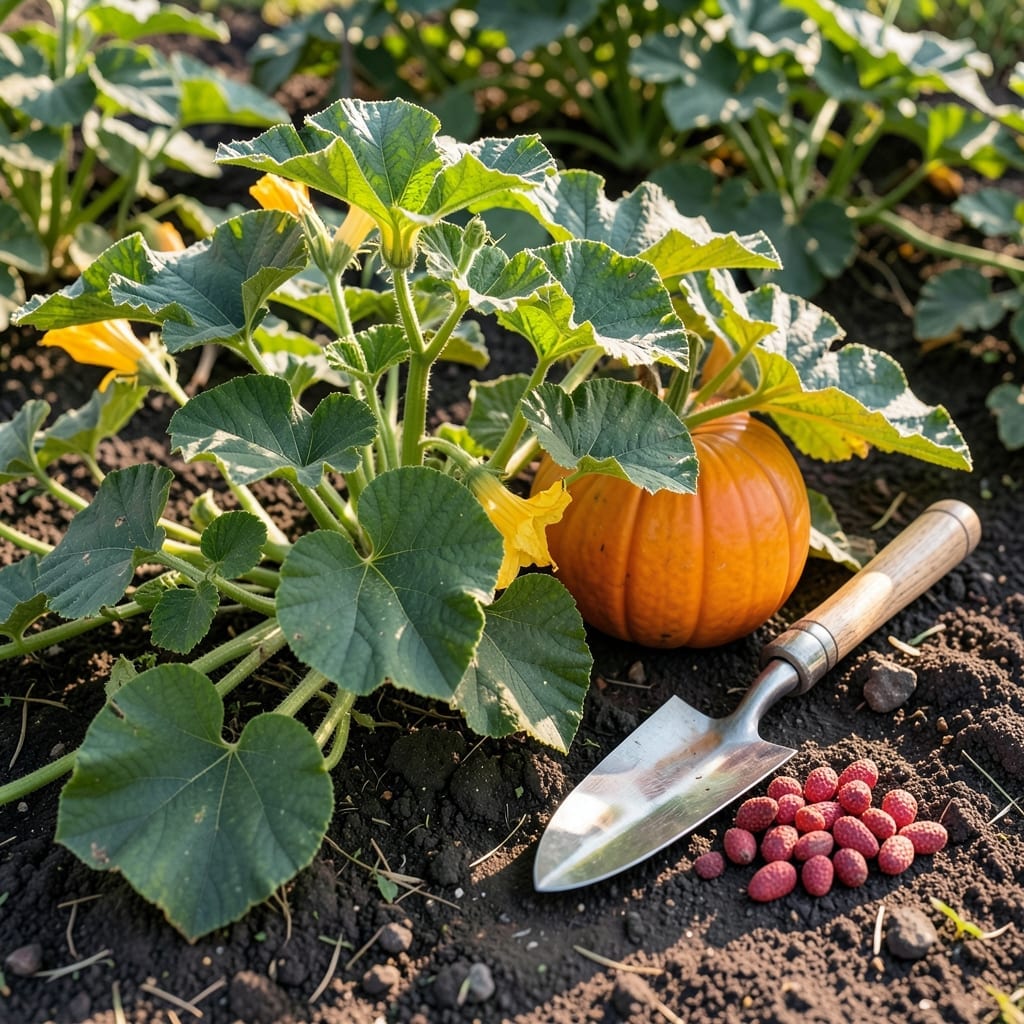
Imagine harvesting a pumpkin so unique it becomes the star of your garden and dinner table. The Red Warty Thing Pumpkin 🎃 delivers just that with its striking red, bumpy skin and rich flavor.
Growing these beauties from seed is easier than you think. With the right planting techniques, you’ll set yourself up for a bountiful harvest that impresses everyone.
I’ll guide you through each step, from soil prep to care tips, so you can enjoy these conversation-starting pumpkins in your own backyard.
Starting Red Warty Thing pumpkin seeds properly sets the stage for healthy vines and vibrant pumpkins. I always begin by selecting a sunny spot with well-draining soil, as these pumpkins thrive in warmth and good airflow.
The ideal soil temperature for planting is at least 60°F. Use a soil thermometer to check, or wait until 2 weeks after the last frost when the ground has warmed naturally.
I’ve found that Red Warty Thing seeds germinate best when soil stays consistently warm and moist. A black plastic mulch can help speed up warming in cooler climates.
Once seedlings emerge, usually within 7-10 days, keep the soil evenly moist. Avoid overhead watering to prevent fungal diseases on young leaves.
These pumpkins need plenty of space to sprawl. If your garden is small, consider training vines onto a strong trellis to save ground space.
For the best results, I recommend planting in late May or early June in most zones. This timing ensures vines mature during the warmest part of summer.
A balanced fertilizer at planting helps, but switch to a low-nitrogen formula once flowers appear to encourage fruit development over leafy growth.
Monitor for pests like squash bugs early on. Hand-pick them or use neem oil for organic control. Healthy plants resist issues better, so consistent care is key 🌱
To grow Red Warty Thing pumpkins successfully, you need to replicate their ideal environment. I’ve learned these heirlooms thrive in full sun and warm conditions, so choose a spot with at least 6-8 hours of direct sunlight daily.
The soil quality matters too. Aim for well-draining, fertile soil with a pH of 6.0-6.8. Amending with compost before planting gives your seeds the best start.
| Requirement | Specification |
|---|---|
| Sunlight | Full sun (6-8 hours) |
| Soil Type | Well-draining, fertile |
| Water Needs | 1-2 inches weekly |
| Fertilizer | 5-10-10 every 4-6 weeks |
| Spacing | 4-6 feet between hills |
Watering is crucial, especially during fruit development. I water deeply 1-2 times per week, ensuring the soil stays consistently moist but never waterlogged. Morning watering helps prevent fungal diseases.
For fertilization, I start with a balanced fertilizer at planting, then switch to a low-nitrogen formula once flowers appear. This shift encourages fruit production over leafy growth, which is key for pumpkins.
Watch for common pests like squash bugs and cucumber beetles. I use row covers early in the season to protect young plants and hand-pick pests when I spot them. Neem oil works well for organic control.
Finally, give your vines plenty of space to sprawl. If space is limited, a sturdy trellis can work, but be prepared to support the heavy fruit as it grows. Proper care leads to vibrant, healthy pumpkins ready for harvest 🌱