
Beautiful Plants For Your Interior
Beautiful Plants For Your Interior
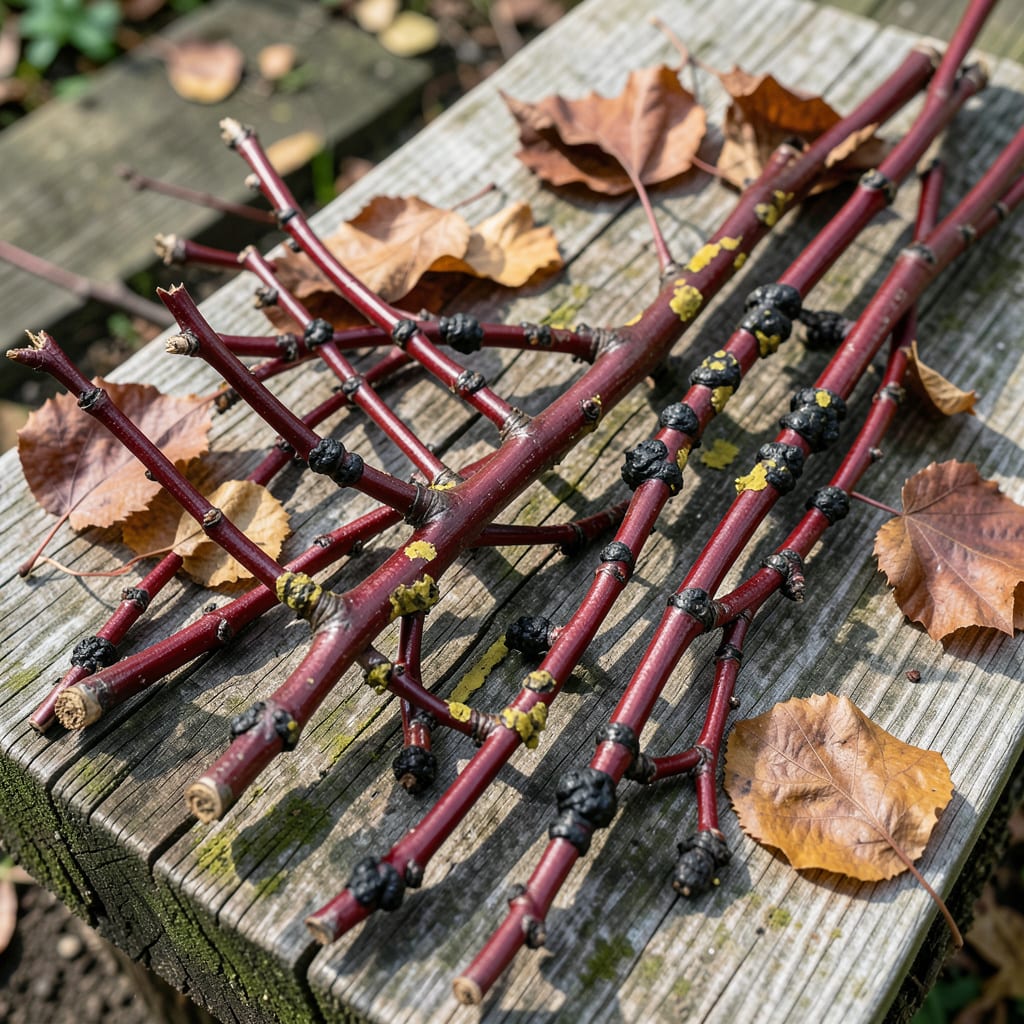
Red twig dogwood’s bright winter stems can fade fast when disease strikes. I’ve lost count of how many gardeners watch their shrubs decline without knowing why.
Stem canker is the usual culprit—dark, sunken lesions that girdle branches and kill them slowly. It thrives in wet conditions, so poor drainage or overhead watering often accelerates the problem.
Catching it early is key. Prune out infected branches immediately, sterilizing your tools between cuts. Improve airflow and avoid late-season fertilizing to harden off new growth.
With the right approach, your dogwood can bounce back. The stems will stay vibrant, and the shrub will keep its structure for years to come.
Red twig dogwood (Cornus sericea) is prized for its vibrant winter stems, but its beauty can be marred by diseases like stem canker. Understanding the root causes helps you prevent and manage outbreaks. Below are the primary triggers behind these issues.
Most stem canker cases in red twig dogwood are caused by fungal pathogens, particularly Cytospora and Botryosphaeria species. These fungi thrive in wet, humid conditions, entering the plant through wounds from pruning, insect damage, or winter injury. Once inside, they colonize the bark, disrupting nutrient flow and causing dieback. Poor air circulation in dense plantings exacerbates the problem by prolonging moisture retention on stems.
Stressed plants are more susceptible to disease. Drought, waterlogging, or extreme temperatures weaken the dogwood’s natural defenses, making it easier for pathogens to take hold. Winter injury—such as sunscald or freeze-thaw cycles—creates entry points for fungi. Additionally, poor soil drainage leads to root stress, reducing the plant’s ability to fend off infections.
Insects like dogwood borers and scale insects create wounds that serve as gateways for fungal spores. Their feeding activity compromises the bark, allowing pathogens to penetrate. Regular monitoring for pest activity and prompt treatment can minimize this risk.
Pruning at the wrong time of year (e.g., late summer or fall) or with unsterilized tools can introduce or spread fungal spores. Cuts made during wet weather are especially risky, as spores can cling to fresh wounds. Always disinfect pruning tools with rubbing alcohol between cuts and prune during dry, dormant periods to reduce infection chances.
When your red twig dogwood shows signs of disease, quick and targeted action can save the plant. Below are practical fixes for common issues, paired with prevention tips to keep your shrub thriving. 🌿
If you notice brown or black spots on leaves, remove affected foliage immediately to stop the spread. Dispose of it in the trash—not compost—to avoid reinfection. Apply a copper-based fungicide every 7–10 days until symptoms disappear. Prevention tip: Space plants for airflow and water at the base to keep leaves dry. 💡
For sunken, cracked, or oozing stems, prune infected branches 6 inches below the canker using sterilized shears (wipe with rubbing alcohol between cuts). Burn or trash the debris. Disinfect wounds with a 10% bleach solution. Prevention tip: Avoid overhead watering and sanitize tools after each use to prevent fungal entry. ✨
Aphids, scale, or borers weaken the plant, making it prone to disease. Blast pests off with a strong stream of water or apply neem oil weekly. For borers, prune out infested branches. Prevention tip: Encourage beneficial insects like ladybugs and maintain vigor with balanced fertilization. 🎯
Yellowing leaves and stunted growth often signal root rot. Dig up the plant, trim black, mushy roots, and replant in well-draining soil. Amend heavy clay with compost. Prevention tip: Ensure containers have drainage holes and avoid overwatering. 🌡️
Consistent care and early intervention are key to reviving a diseased red twig dogwood. Stay vigilant, and your shrub will reward you with vibrant color and healthy growth!
Look for dark, sunken lesions on the bark, often oozing or cracked. Branches may wilt or die back above the canker. Check during dormancy for the clearest signs.
Yes, poor drainage or excessive water leads to root rot. Symptoms include yellowing leaves and stunted growth. Always use well-draining soil and avoid soggy conditions.
Prune during dry, dormant periods in late winter or early spring. Always sterilize tools with rubbing alcohol between cuts to prevent spreading pathogens.
