
Beautiful Plants For Your Interior
Beautiful Plants For Your Interior
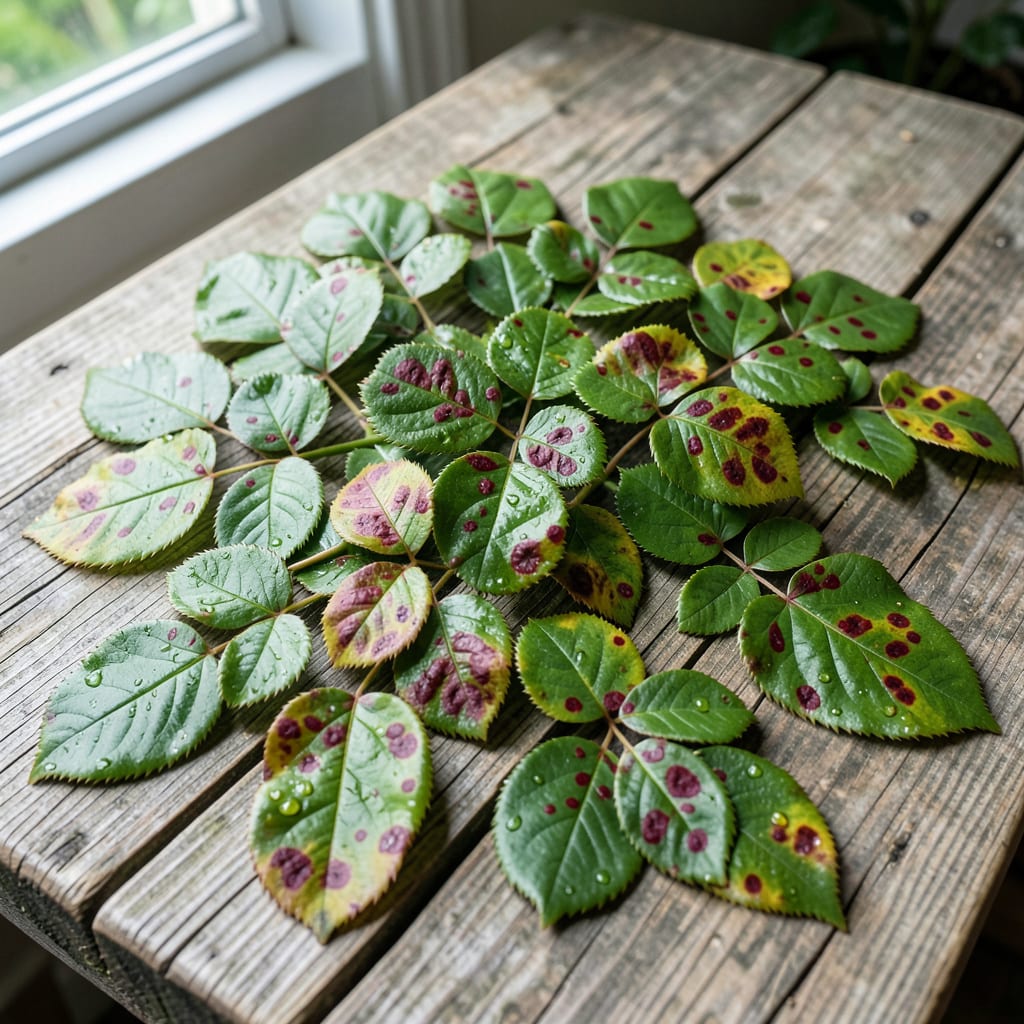
Red spots on rose leaves aren’t just ugly—they’re your plant’s distress signal. I’ve lost entire bushes to this, and the fix starts with knowing what you’re dealing with.
Most of these spots come from fungi like black spot or rust, which thrive in wet, humid conditions. They spread fast, turning leaves yellow then brown before they drop entirely. Left untreated, your rose’s energy gets wasted fighting instead of blooming.
Here’s the thing—early action saves plants. Remove infected leaves immediately, then treat with a foolproof fungicide. Prevention is simpler than you think: better airflow, drier leaves, and consistent care.
By next season, you’ll spot trouble before it spreads. Your roses will thank you with vibrant blooms and healthy foliage.
Red spots on your rose bush leaves are a distress signal, and the culprits are often microscopic invaders or environmental stress. Here’s a breakdown of the most common causes:
Black Spot (Marssonina rosae): A notorious fungal disease that produces circular, dark red or black spots with feathery edges. It thrives in warm, wet conditions and spreads via water splashing on foliage.
Powdery Mildew (Podosphaera pannosa): Often starts as red or purplish blotches before developing a white, powdery coating. It favors high humidity and poor air circulation.
Extreme heat or cold can shock rose bushes, leading to stress-induced reddening or spotting. Overhead watering in direct sunlight may also cause leaf scorch, which mimics fungal spots.
Spider Mites: These tiny pests pierce leaf cells, causing stippling or red speckling. Check the undersides of leaves for webbing.
Aphids: Their feeding can distort new growth and leave behind red or yellow spots, often accompanied by sticky honeydew.
Magnesium or potassium deficiencies can manifest as red or purple spots between leaf veins. A soil test can confirm if your roses need a nutrient boost.
Tackling red spots on your rose bush leaves starts with identifying the cause and applying targeted solutions. Below are the most effective fixes for common culprits, along with prevention tips to keep your roses thriving.
Fix: Remove and destroy infected leaves immediately to prevent spread. Apply a copper-based fungicide or neem oil every 7–10 days until the issue clears. For severe cases, use a systemic fungicide like propiconazole.
Prevention: 💡 Improve air circulation by pruning crowded branches. Water at the base in the morning to allow leaves to dry quickly. Mulch with organic material to reduce soil-borne spores.
Fix: Blast pests off with a strong stream of water. Apply insecticidal soap or horticultural oil weekly until pests are gone. For stubborn infestations, use pyrethrin-based sprays.
Prevention: ✨ Encourage beneficial insects like ladybugs and lacewings. Inspect leaves regularly, especially the undersides, for early signs of pests.
Fix: Adjust watering to avoid soggy soil—aim for 1–2 inches per week. If nutrient deficiency is suspected, apply a balanced rose fertilizer (e.g., 10-10-10) or amend soil with compost. Shield plants from extreme heat with shade cloth.
Prevention: 🎯 Test soil pH (ideal: 6.0–6.5) and improve drainage with organic matter. Avoid overhead watering to reduce stress and disease risk.
Not always. While fungal infections are common, environmental stress or pest damage can also create similar spots. Check for webbing or pests first.
Yes! A mix of 1 tablespoon baking soda, 1 quart water, and a drop of soap can help with mild fungal issues. Apply weekly for prevention.
Immediately. Remove infected leaves and treat within 24-48 hours to prevent spreading. Delaying can lead to defoliation.
Yes, fungal spores travel easily by wind or water. Keep infected roses isolated and avoid overhead watering.
