
Beautiful Plants For Your Interior
Beautiful Plants For Your Interior
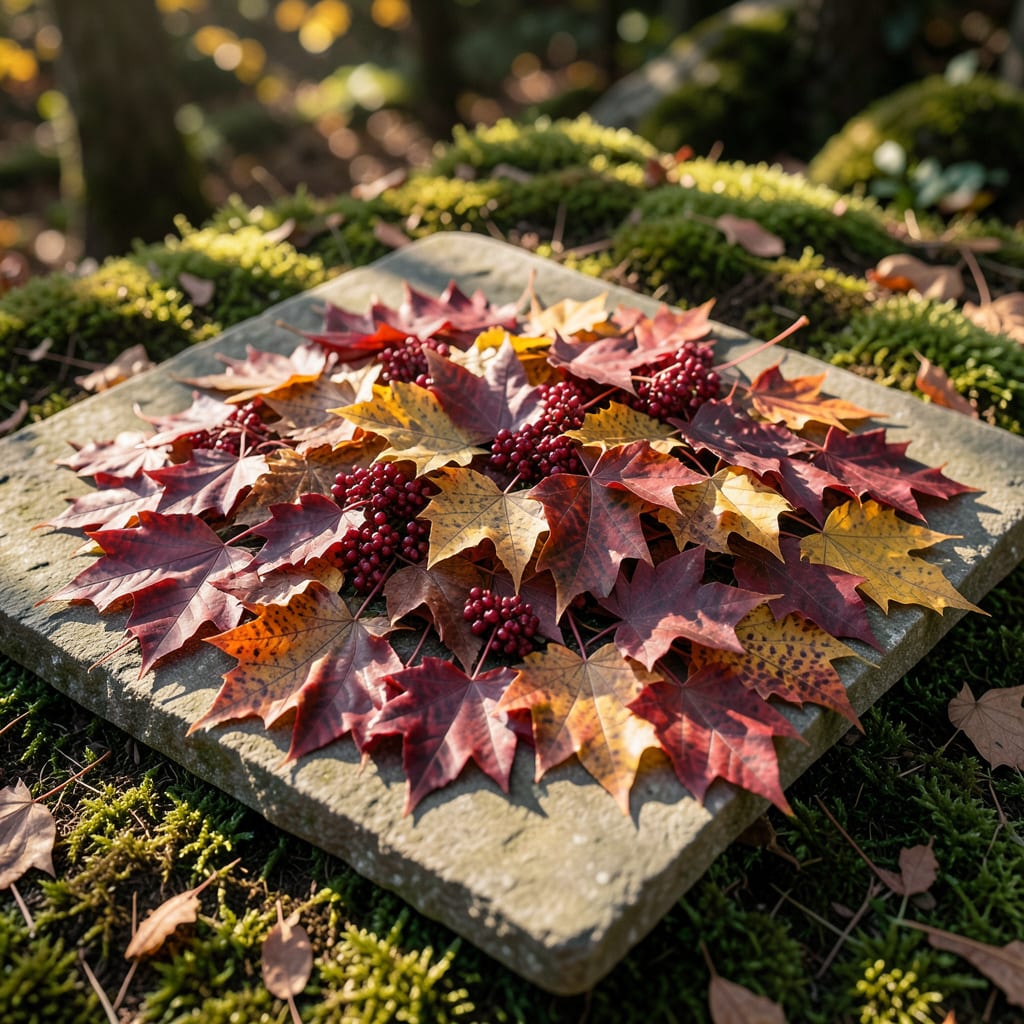
Red spots on your maple leaves aren’t just unsightly—they’re a distress signal. I’ve seen healthy trees decline fast when this goes untreated, but the good news is most cases are fixable with quick action.
These spots usually mean one of three things: a fungal infection spreading, pests feeding, or your tree protesting environmental stress. The pattern and location of the spots often reveal the culprit before you even start investigating.
With the right approach, you can stop the damage within 7-10 days and restore your tree to its vibrant green glory. I’ve rescued dozens using simple, targeted treatments that work without harsh chemicals.
Early intervention is key—wait too long and the problem spreads to branches. Here’s how to diagnose and treat it effectively.
Red spots on maple tree leaves are often a sign of underlying issues, ranging from fungal infections to environmental stressors. Here’s a breakdown of the most common causes:
Fungi like Tar Spot (Rhytisma acerinum) are frequent culprits. These pathogens thrive in wet, humid conditions, producing raised, reddish-purple spots with yellow halos. Another offender, Anthracnose (Discula spp.), causes irregular red or brown lesions, often along leaf veins. Action: Improve airflow, avoid overhead watering, and apply fungicides (e.g., copper-based) at first signs.
Insects such as maple gall mites or aphids can trigger red spots by feeding on foliage, which disrupts cell structure and invites secondary infections. Their piercing mouthparts create entry points for bacteria or fungi. Action: Inspect undersides of leaves for pests; treat with horticultural oil or insecticidal soap if infestations are confirmed.
Extreme temperatures, drought, or nutrient deficiencies (e.g., magnesium or potassium) can manifest as red or purple leaf spots. Scorch from excessive sun or wind exposure may also cause marginal reddening. Action: Ensure consistent watering (1–1.5 inches weekly), mulch to retain moisture, and fertilize with a balanced formula in early spring.
Less common but possible, bacteria like Pseudomonas syringae create small, water-soaked red spots that later turn brown or black. These often appear after prolonged wet weather. Action: Prune affected branches (sterilize tools between cuts!) and remove fallen debris to limit spread.
If your maple tree’s leaves are developing unsightly red spots, don’t panic—most causes are treatable with the right approach. Below are targeted solutions for common issues, along with prevention tips to keep your tree healthy long-term.
Fix: Remove and destroy infected leaves (don’t compost them) to stop the spread. Apply a copper-based fungicide in early spring or at the first sign of spots. Reapply every 10–14 days during wet seasons.
Prevention: Improve air circulation by pruning dense branches. Water at the base of the tree (not overhead) to keep leaves dry. 💡 Pro tip: Rake and dispose of fallen leaves in autumn to reduce overwintering fungi.
Fix: Blast pests off leaves with a strong stream of water for minor infestations. For severe cases, use horticultural oil or insecticidal soap, applying in the early morning or late evening. Repeat every 7–10 days until pests are gone.
Prevention: Encourage natural predators like ladybugs by planting companion flowers. Inspect leaves regularly, especially the undersides, for early signs of pests.
Fix: Deep-water the tree (1–2 inches per week) during dry spells, focusing on the root zone. If the soil is nutrient-poor, apply a balanced fertilizer (e.g., 10-10-10) in early spring or fall. For iron deficiency (common in high-pH soil), use chelated iron supplements.
Prevention: Mulch around the base (but not touching the trunk) to retain moisture. Test soil every 2–3 years and amend as needed. ✨ Quick win: Avoid over-fertilizing, which can stress the tree further.
Fix: Stop using herbicides near the tree immediately. Prune damaged leaves to reduce stress. Flush the soil with water to dilute residual chemicals.
Prevention: Keep herbicides at least 30 feet away from the tree. Opt for organic weed control methods like hand-pulling or vinegar-based sprays in the tree’s vicinity.
With consistent care, your maple can recover and thrive. Start with the simplest solutions (like adjusting watering or pruning) before moving to chemical treatments.
Not always. While fungal infections often cause them, environmental stress like drought or nutrient deficiencies can also create similar spots.
Improve airflow by pruning, water at the base, and remove fallen leaves in autumn. Apply copper-based fungicide in early spring as a preventative.
It might, but the problem could worsen and spread. Early treatment gives the best chance for full recovery within 7-10 days.
Yes! A baking soda solution (1 tbsp per gallon of water) can help with mild fungal issues. For pests, a strong water spray may work.
