
Beautiful Plants For Your Interior
Beautiful Plants For Your Interior
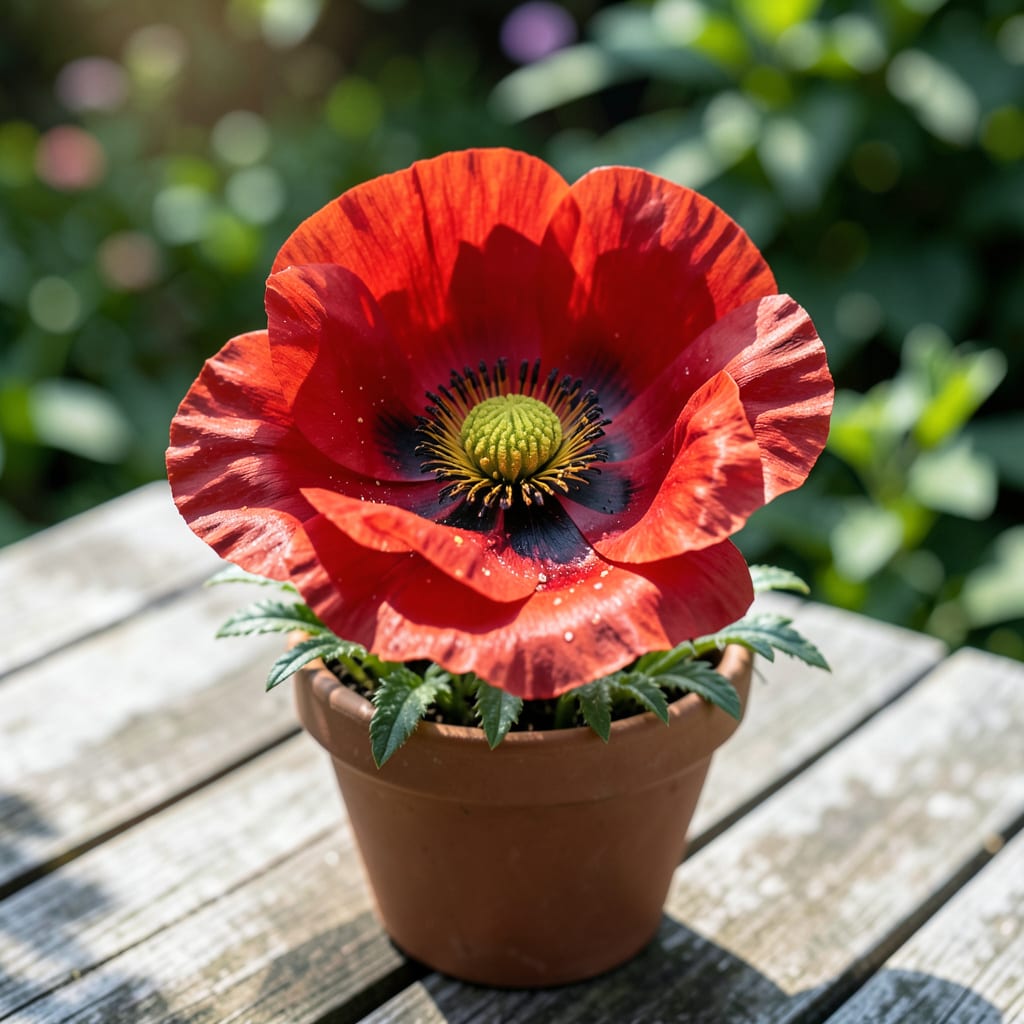
Red poppies with yellow centers bring shocking contrast to any garden space. I planted my first patch three springs ago, and the bees haven’t stopped buzzing since.
These flowers thrive in full sun with well-draining soil. Plant the seeds 1/4 inch deep in early spring, and you’ll see blooms within 60 days. Minimal care, maximum pollinator appeal.
📚 In This Guide
Here’s the method I use to create that stunning contrast pollinators can’t resist.
Select a spot with full sun exposure—at least 6-8 hours of direct sunlight daily. These poppies thrive in poor to average soil, so don’t over-amend your planting area. In fact, overly rich soil produces lush foliage at the expense of those vivid blooms you’re after.
Ensure the area has good drainage, as poppies despise soggy roots. If your soil stays wet after rain, consider planting in a raised bed or amended area. I’ve found they do particularly well on slight slopes where water naturally runs off.
Loosen the soil to a depth of about 12 inches using a garden fork. This isn’t about adding nutrients—it’s about creating a loose, crumbly texture that allows the poppy’s long taproot to penetrate easily. Remove any large rocks or debris that might obstruct root growth.
Don’t add fertilizer or compost at this stage. Too much organic matter can lead to leafy growth rather than the spectacular flowers we want. The ideal pH range is 6.0-7.5, but these hardy plants tolerate a wide range of conditions.
Scatter the seeds directly on the soil surface in early spring or fall. These seeds need light to germinate, so don’t cover them with soil. Instead, gently press them into the earth with your hand or a flat board to ensure good soil contact.
Space the seeds about 12-18 inches apart for best results. If you’re planting multiple rows, leave 2 feet between them for good air circulation. Water gently but thoroughly after planting, being careful not to wash the seeds away.
Once established, these poppies need very little attention. Water only during prolonged dry spells, as they’re quite drought-tolerant. When you do water, do it deeply to encourage that long taproot to grow down in search of moisture.
Avoid high-nitrogen fertilizers, which promote leaf growth over flowers. If your soil is particularly poor, a light application of balanced fertilizer in early spring is sufficient. Deadhead spent blooms to encourage more flowers, but leave some seed pods if you want self-seeding for next year.
Watch as the first buds appear, usually 60-90 days after planting. The flowers will open in sunlight, revealing their striking red petals with bright yellow centers. This color combination is particularly attractive to bees, butterflies, and other beneficial insects.
You’ll notice the most activity mid-morning when the sun has warmed the flowers. The blooms typically last 7-10 days each, with new ones opening daily during the peak of the season. Cut a few for bouquets if you like, but leave most to enjoy in the garden.
These simple strategies will help you avoid common pitfalls when planting these striking flowers.
Sunlight Requirement: The 6-8 hours of direct sunlight mentioned in Step 1 isn’t just a suggestion—it’s critical for those vibrant blooms. I learned this the hard way when my first planting in partial shade produced tall, leafy stems with only a few sad-looking flowers. Trust me on this.
Soil Preparation: When loosening the soil to 12 inches in Step 2, resist the urge to add compost or fertilizer. I know it feels counterintuitive, but too many nutrients will give you lush green plants with few flowers. The loose texture is what matters most for those long taproots.
Seed Planting Technique: In Step 3, remember that these seeds need light to germinate, so don’t bury them. I like to use a flat board to gently press them into the soil surface—just enough to prevent them from washing away during watering, but not so deep that they can’t access sunlight.
Watering Wisdom: Once established, these plants are incredibly drought-tolerant. When you do water during dry spells, as mentioned in Step 4, give them a deep soaking. This encourages the taproots to grow downward in search of moisture, making the plants even more resilient.
The yellow center, or “eye,” of a red poppy helps attract pollinators like bees and butterflies. Its bright contrast against the red petals acts as a visual guide, directing insects to the pollen-rich center.
Plant red poppies in early spring or fall for cool climates. They thrive in well-drained soil and full sun, blooming best in temperatures between 50-75°F.
Yes! Consider California poppies (orange with yellow centers) or Iceland poppies (varied colors with yellow centers) for similar pollinator-friendly appeal.
If the center appears faded or discolored, it may be due to poor soil nutrients or excessive shade. Ensure full sun exposure and fertilize lightly to restore vibrant color.
