
Beautiful Plants For Your Interior
Beautiful Plants For Your Interior
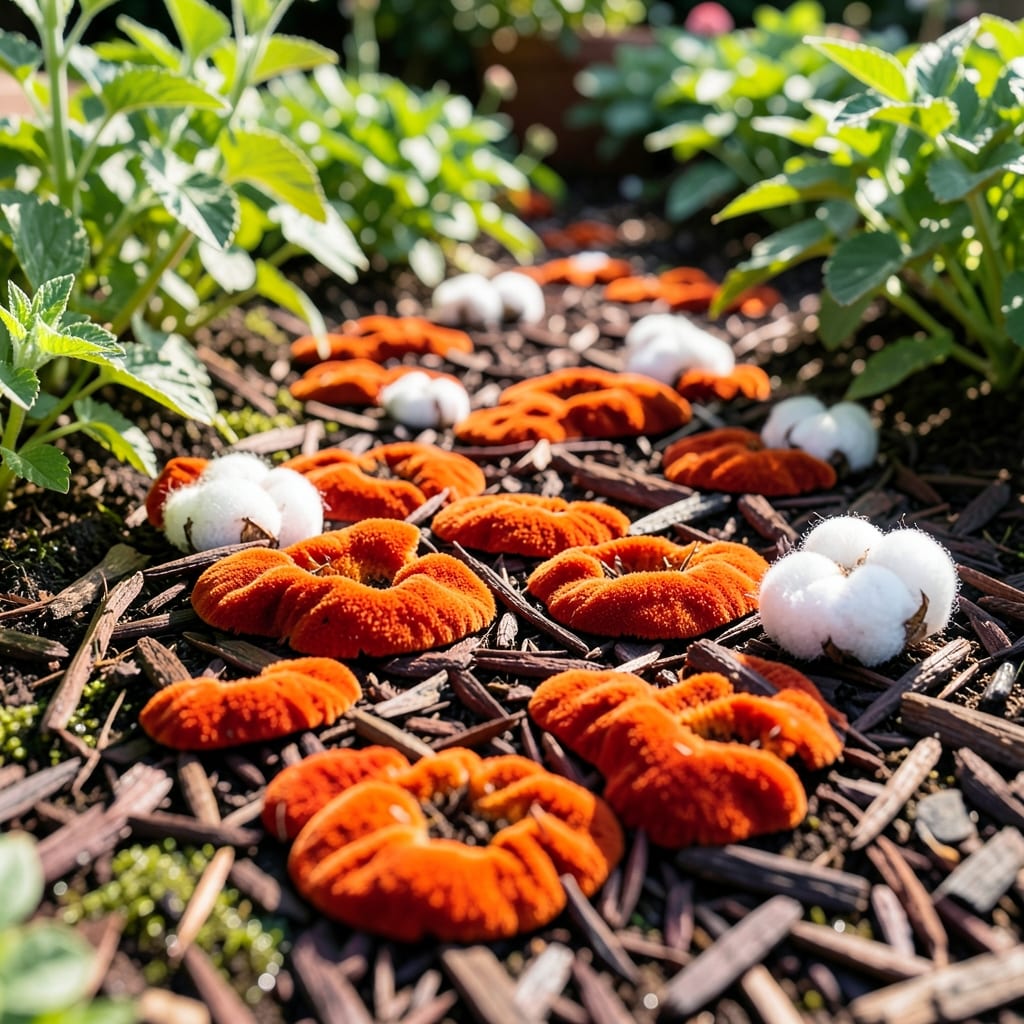
That red stuff in your mulch isn’t dangerous, but it sure looks alarming. I’ve seen it pop up overnight after heavy rain, turning perfectly good mulch into a science experiment.
The culprit is usually a harmless fungus that thrives in warm, damp conditions. It’s not hurting your plants, but it’s a sign your mulch might be staying too wet or packed too tightly.
Fixing it is simpler than you’d think. A quick raking to fluff the mulch and let it dry usually knocks it back within 24-48 hours. Prevention is even easier.
Keep mulch layers at 2-3 inches, avoid piling it against plant stems, and you’ll rarely see it return. No chemicals needed—just basic garden maintenance.
Understanding why red mulch fungus appears is the first step to preventing it. Here are the primary causes:
Red mulch fungus thrives in damp environments. Overwatering, poor drainage, or frequent rain can create the perfect breeding ground. Mulch retains moisture, and when it stays wet for extended periods, fungal spores germinate and spread. To combat this, ensure your mulch has proper drainage and avoid over-saturating the area.
Mulch is made of organic materials like wood chips or bark, which decompose over time. As these materials break down, they release nutrients that feed fungal growth. Fresh mulch is less likely to harbor fungus, but older, decomposing layers become prime targets. Regularly refresh your mulch to reduce the risk.
Fungus loves warmth. Red mulch fungus often emerges in late spring or summer when temperatures rise. The heat accelerates decomposition and spore activity. If you live in a warm climate, monitor your mulch closely during these seasons and take preventive measures like raking it to improve airflow.
Compact or thick layers of mulch can trap moisture and limit airflow, creating a humid microclimate ideal for fungus. To prevent this, keep mulch layers thin (2-3 inches) and avoid piling it against plant stems or structures. This allows air to circulate and reduces fungal growth.
Red mulch fungus can be unsightly, but it’s manageable with the right approach. Below are targeted solutions for common causes, along with prevention tips to keep your mulch looking fresh.
Fix: Reduce watering frequency and ensure proper drainage. If the mulch stays soggy, rake it to improve airflow and speed up drying. For severe cases, replace waterlogged mulch with fresh, dry material.
Prevent: Water deeply but less often, and avoid overhead sprinklers that soak the mulch. Use a moisture meter to gauge when watering is truly needed.
Fix: Remove leaves, twigs, and other organic matter buried in the mulch. This eliminates the fungus’s food source. Stir the mulch lightly to disrupt fungal growth and expose it to sunlight.
Prevent: Regularly clear fallen debris from garden beds. Apply mulch in thin layers (2–3 inches max) to discourage buildup.
Fix: Rake the mulch to break up dense, matted areas and allow air circulation. If the bed is heavily shaded, trim nearby plants or choose a sunnier spot for future mulching.
Prevent: Space plants appropriately to improve airflow. Opt for cedar or pine bark mulch, which resists fungus better than hardwood in damp conditions.
Fix: Replace old mulch that’s decomposed into a thick, compact layer. Mix in fresh mulch to restore its loose, breathable texture.
Prevent: Refresh mulch annually and fluff it every few months with a rake to prevent compaction.
🎯 Pro Tip: A thin layer of newspaper or landscape fabric under mulch can block fungal spores from the soil—but avoid plastic, which traps moisture.
Yes, most red mulch fungi are harmless and won’t cause skin irritation. However, it’s still wise to wear gloves when handling mulch to avoid potential allergies or unknown species.
Rain creates the perfect damp environment for spores to activate and spread. Warm temperatures after rainfall accelerate growth, making it visible within 24-48 hours.
Chemical fungicides aren’t necessary. Simple raking to dry the mulch usually resolves the issue within 1-2 days. For stubborn cases, replace the top layer with fresh mulch.
No, these fungi are typically saprophytic, meaning they feed on decaying organic matter, not living plants. They may even help break down mulch into plant-friendly nutrients.