
Beautiful Plants For Your Interior
Beautiful Plants For Your Interior
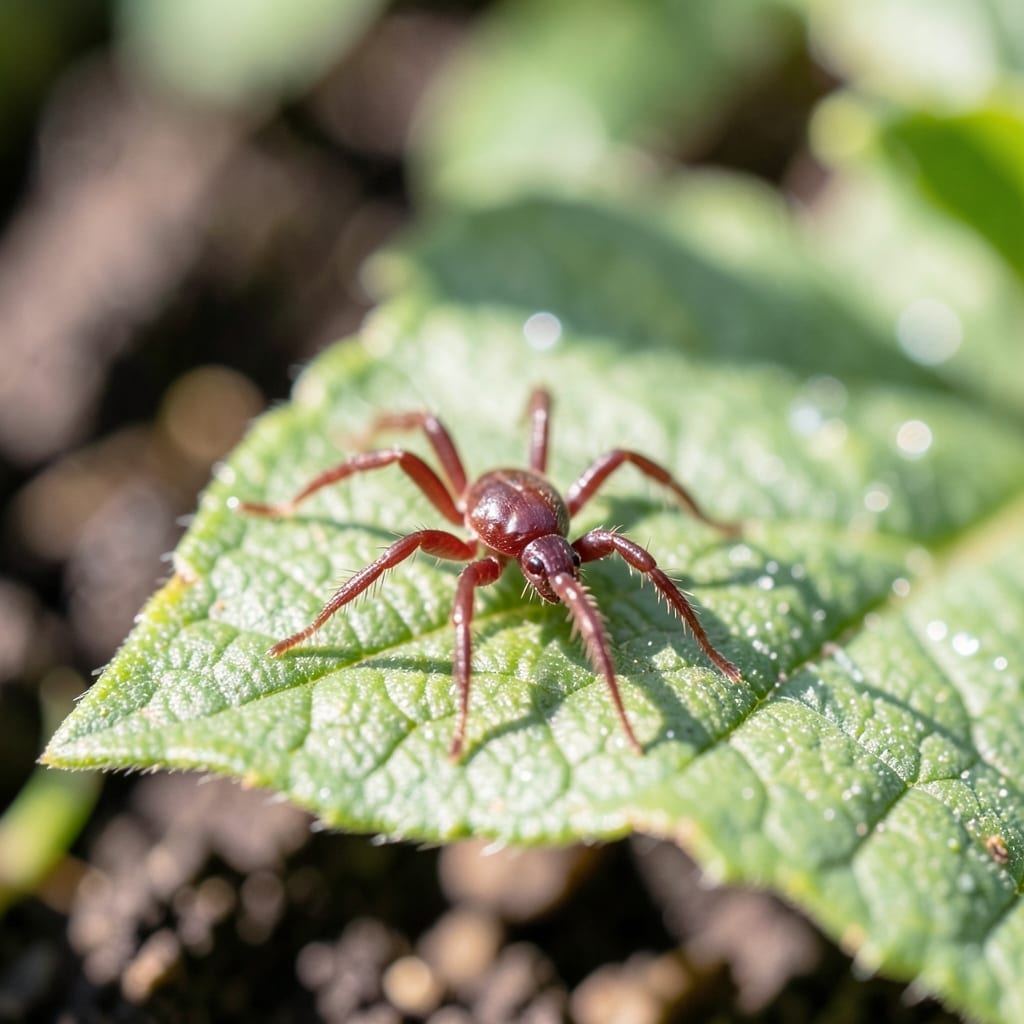
Tiny red dots on your plants aren’t decorations. I first noticed them on my rose bushes last summer—thought they were just dust until the leaves started yellowing.
These pests multiply fast in hot, dry weather, sucking plant juices and spreading disease. The good news is they’re vulnerable to simple organic treatments that work in 24-48 hours.
You’ll spot their webbing first, usually on leaf undersides. Early action means saving your garden without harsh chemicals that kill beneficial insects too.
Works for vegetable patches, flower beds, and container gardens alike. Here’s the battle plan that saved my garden.
Red mites thrive outdoors due to a mix of environmental and biological factors. Understanding these triggers helps you tackle the root of the problem effectively.
Red mites, particularly species like Dermanyssus gallinae (poultry red mite), flourish in temperatures between 60–86°F (15–30°C) with 70–90% humidity. These conditions accelerate their reproductive cycle, allowing populations to explode in sheds, coops, or garden debris. Stagnant air in shaded, damp areas (e.g., under mulch or leaf litter) creates ideal breeding grounds.
Piles of fallen leaves, grass clippings, or compost heaps provide shelter and food sources (e.g., decomposing matter or other pests). Red mites hide in these materials, emerging at night to feed on hosts like birds, pets, or even humans. Regularly clearing debris disrupts their lifecycle.
Wild birds, chickens, or rodents act as primary hosts. Infestations often start near nests, coops, or burrows. Mites hitchhike on animals or humans, spreading to patios, decks, or outdoor furniture. Sealing entry points (e.g., cracks in coops) and reducing wild bird attractants (like uncovered feed) can limit their spread.
In balanced ecosystems, predatory mites, beetles, or spiders keep red mite populations in check. Overuse of broad-spectrum pesticides can kill these natural enemies, leading to unchecked infestations. Encouraging biodiversity (e.g., planting native flowers) restores this balance.
Red mites thriving outside can be stubborn, but these targeted solutions will help you reclaim your outdoor space. Address the root causes with practical fixes and prevention tips to keep them from returning.
Dense plants and debris create perfect hiding spots for red mites. Use pruners or a lawnmower to trim overgrown bushes, grass, and weeds. Remove leaf litter, fallen branches, and other organic clutter where mites might nest. Prevention tip: 💡 Maintain a tidy yard with regular landscaping to discourage infestations.
Red mites love moist environments. Eliminate standing water in flowerpot saucers, clogged gutters, or low-lying areas. Use a wet/dry vacuum or absorb excess moisture with sand or gravel. Prevention tip: 🌡️ Improve drainage by adding sloped grading or French drains to your yard.
Birds, chickens, or rodents can carry red mites. Move feeders, coops, or nesting boxes at least 20 feet from your home or seating areas. If relocation isn’t possible, use mite-proof covers for coops and regularly clean them with soapy water. Prevention tip: ✨ Inspect pets and livestock for mites after outdoor exposure.
Encourage mite-eating insects like ladybugs, lacewings, or predatory mites. Plant pollinator-friendly flowers (e.g., marigolds, daisies) or purchase beneficial insects from garden centers. Prevention tip: 🎯 Avoid broad-spectrum pesticides, which can kill natural predators along with pests.
Red mites can sneak into sheds, patios, or home foundations. Seal gaps with caulk, weatherstripping, or fine mesh screens. Focus on windows, doors, vents, and utility openings. Prevention tip: 🔥 Check for new cracks seasonally, especially after heavy rain or temperature shifts.
Tiny, flat, oval pests about 1mm long. They appear bright red or orange, especially when fed. Use a magnifying glass to spot their 8 legs and fine hairs on their bodies.
Yes, they hitch rides on clothing, pets, or tools. Inspect indoor plants if you’ve handled infested outdoor ones. Quarantine new plants for 2-3 weeks to prevent spread.
Apply organic sprays like neem oil every 7-10 days during active infestations. For prevention, treat monthly in warm, humid seasons when mites thrive.
They don’t bite humans but can irritate pet skin. Focus on removing their outdoor habitats. Wash pet bedding in hot water if exposure is suspected.