
Beautiful Plants For Your Interior
Beautiful Plants For Your Interior
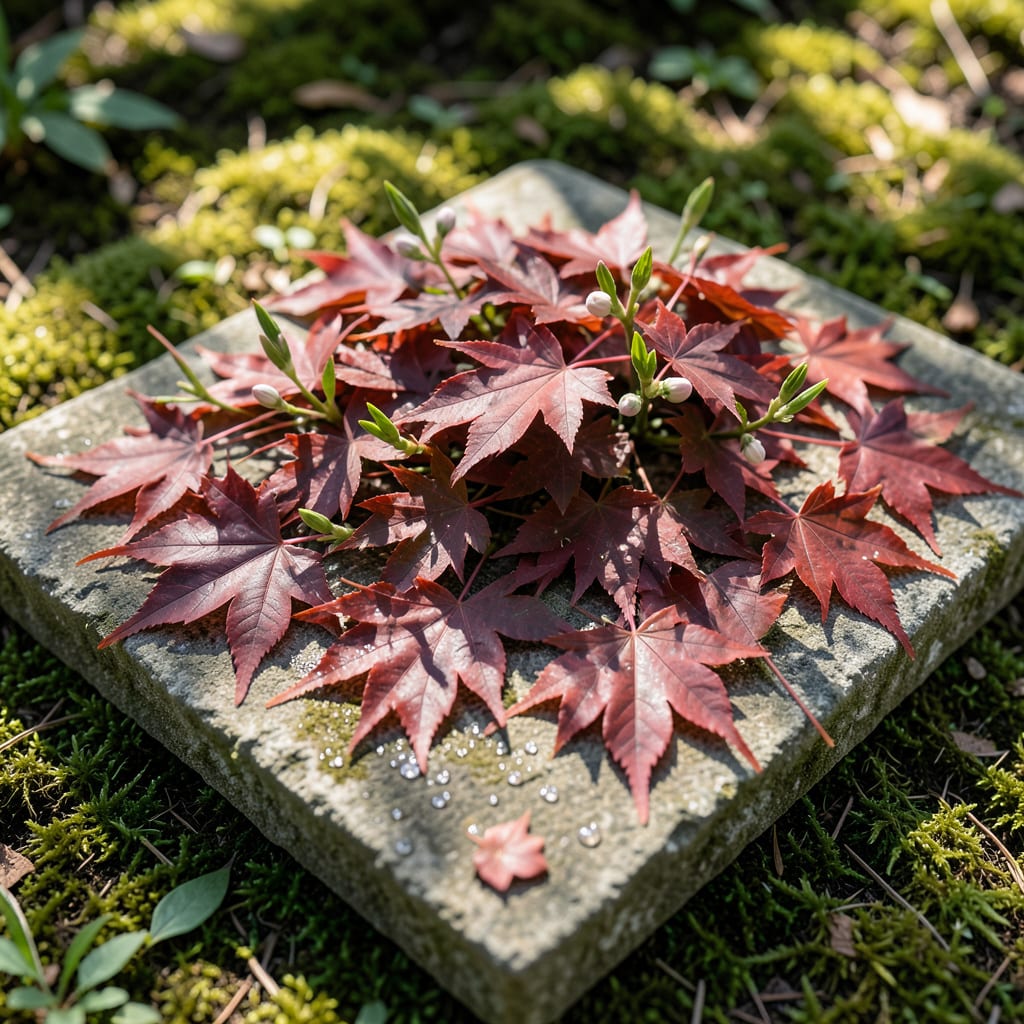
That first burst of crimson in early spring never fails to stop me in my tracks. Red maples wake up before most trees, pushing out bright red leaves that look like nature’s own fireworks.
You’ll notice the leaves start as tight buds, then unfurl into soft, almost translucent red before deepening to green. The transformation takes about 2-3 weeks and signals the tree is healthy and ready for the growing season.
📚 In This Guide
Here’s how I help my red maples produce those stunning crimson leaves each spring without fail.
Start with a red maple cultivar known for its vivid spring color, like ‘October Glory’ or ‘Red Sunset.’ These varieties reliably produce deep crimson foliage as new leaves emerge. Plant in a spot with full sun to partial shade—too much shade dulls the color.
Soil matters just as much as light. Red maples thrive in well-draining, slightly acidic soil with a pH between 5.0 and 6.5. If your soil is heavy clay, amend it with compost to improve drainage. A soil test kit can confirm if you need to adjust pH.
Prune your maple in late winter, just before new growth starts. This timing helps the tree direct energy into producing vibrant new leaves. Remove any dead, diseased, or crossing branches first—these drain resources and can weaken the tree.
Thin out crowded areas to improve airflow and sunlight penetration. I aim to open up the canopy by 10-15% each year, which encourages healthy growth and enhances leaf color. Always use clean, sharp tools to make precise cuts just outside the branch collar.
Red maples need consistent moisture, especially in spring as leaves emerge. Water deeply once a week, giving the tree 1-1.5 inches of water per session. This encourages deep root growth, which supports vibrant foliage.
Check the soil by digging 2-3 inches down—if it feels dry, it’s time to water. Avoid overhead watering to prevent fungal issues, and water early in the day so foliage has time to dry. Mulch around the base with 2-3 inches of organic mulch to retain moisture and regulate soil temperature.
Apply a balanced, slow-release fertilizer in early spring, just as the buds begin to swell. I use a 10-10-10 or 12-12-12 formula, spreading it evenly around the tree’s drip line. Avoid high-nitrogen fertilizers, as they can promote excessive green growth at the expense of red hues.
If your soil is already rich, you may not need to fertilize at all. Over-fertilizing can lead to weak, leggy growth and muted leaf color. Always follow the package instructions for application rates, and water thoroughly after applying to help the fertilizer reach the roots.
As spring progresses, keep an eye on the emerging leaves. Healthy red maples will produce leaves that start as bright red or crimson and gradually transition to green as they mature. If the color seems dull, check for signs of stress like drought, poor drainage, or nutrient deficiencies.
This is the best part—sitting back and watching your tree burst into color. The vibrant crimson leaves of a red maple in spring are a sign of a happy, healthy tree. With the right care, your maple will reward you with this stunning display year after year.
Small adjustments in care can make a dramatic difference in leaf vibrancy.
Variety Selection: Stick with proven cultivars like ‘October Glory’ or ‘Red Sunset’ from Step 1—they’re bred specifically for that deep crimson spring color. I’ve tried generic red maples and the color difference is noticeable. The right variety sets the foundation for everything else.
Soil pH Precision: That 5.0 to 6.5 pH range mentioned in Step 1 isn’t just a suggestion. I learned this the hard way when my leaves came out muddy instead of vibrant. A simple soil test kit costs less than a coffee and saves you from guessing. If your soil is too alkaline, sulfur can help lower the pH gradually.
Pruning Timing: Late winter pruning in Step 2 is crucial—do it too early and you risk cold damage, too late and you’ll cut off new growth. I mark my calendar for just before buds swell, usually when daytime temps consistently hit the 50s. And don’t overdo it; that 10-15% canopy opening is the sweet spot for color enhancement without stressing the tree.
Watering Depth: The 1-1.5 inches of water per week in Step 3 needs to penetrate deeply. I use a simple trick: place a tuna can in the watering zone and stop when it’s full. This ensures you’re giving the tree what it actually needs, not just surface moisture that evaporates quickly.
Red maple leaves emerge red due to anthocyanins, pigments produced in response to bright sunlight and cool spring temperatures. This vibrant color helps protect new growth from UV damage.
Red maple leaves typically blush red in early spring, often March to April, as new foliage unfurls. Timing varies by climate—warmer zones may see color earlier.
Not always! While many cultivars (like ‘October Glory’) display red spring leaves, some may show green or orange hues. Light exposure and temperature influence the color intensity.
Ensure full sun exposure and well-drained soil. Avoid excessive nitrogen, which can promote green growth. A balanced fertilizer in early spring may enhance color vibrancy.
Possible causes include shade, nutrient deficiencies, or extreme weather. Check soil pH (slightly acidic is ideal) and ensure the tree isn’t waterlogged or drought-stressed.
