
Beautiful Plants For Your Interior
Beautiful Plants For Your Interior
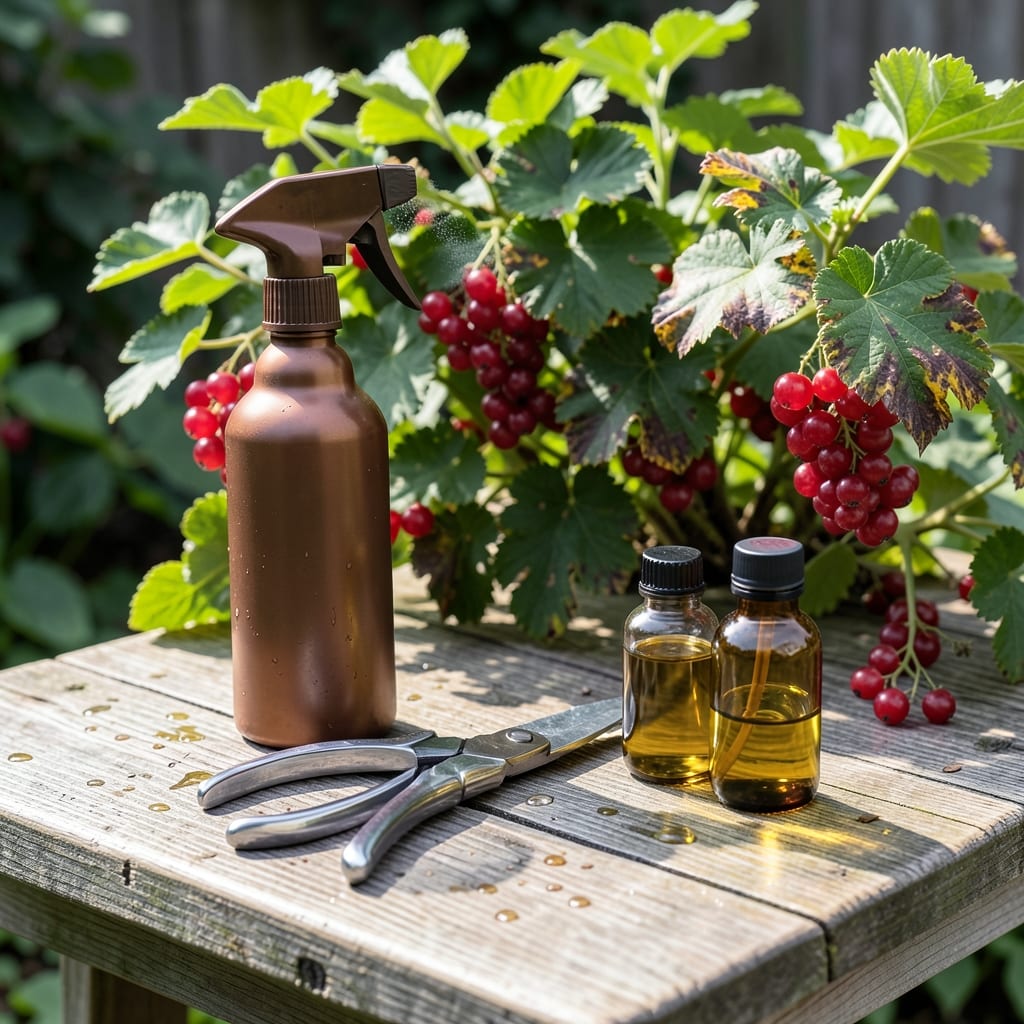
Spotted yellowing on your red currant leaves means trouble. I’ve seen healthy bushes turn sickly overnight, but early action saves them every time.
This guide helps you spot the warning signs, stop the spread, and keep your plants productive for years. No guesswork, just clear steps.
Nothing exotic here—just garden basics to tackle leaf disease head-on.
| Ingredient | Amount | Notes |
|---|---|---|
| Pruning Shears ✂️ | 1 piece | Sterilize between cuts |
| Copper Fungicide Spray 💧 | 1 piece | For fungal leaf spots |
| Neem Oil 🌿 | 16 oz | Organic fungicide option |
| Garden Gloves 🪴 | 1 piece | Protect hands during treatment |
| Spray Bottle 💦 | 1 piece | For applying treatments |
| Disease-Resistant Red Currant Plants 🌱 | 2 pieces | Replacement for infected plants |
| Compost 🌾 | 2 bags | Boost plant health |
| Mulch 🪵 | 3 bags | Prevents soil splashing |
| Watering Can 💧 | 1 piece | Avoid overhead watering |
| Soil pH Test Kit 🌡️ | 1 piece | Check acidic conditions |
[recipeingredientscaler]
Copper fungicide is your first line of defense for leaf spot diseases. Bonide makes a reliable version available at most garden centers. Neem oil (the good stuff, not the diluted versions) works well for organic gardens—Home Depot usually stocks it in 16 oz bottles.
No copper spray? Mix baking soda and water as a temporary fix. For severe cases, remove and burn infected leaves to halt the spread. Disease-resistant varieties like ‘Red Lake’ are worth the extra dollar if you’re replanting.
Store leftover fungicide in a cool, dry place (it lasts about 2 years). Clean pruning shears with rubbing alcohol after each use. I keep a spray bottle dedicated to neem oil to avoid cross-contamination.
Here’s the method I use to treat and prevent leaf disease while keeping plants thriving long-term.
Put on the garden gloves and use the pruning shears to cut away any leaves showing spots, discoloration, or lesions. Sterilize the shears between cuts with rubbing alcohol to prevent spreading pathogens. Remove not just the affected leaf, but the entire stem if the infection is severe.
Dispose of the diseased material in a sealed bag—never compost it, as this can reintroduce the fungus to your garden. You’ll know you’ve caught it early if new growth remains clean and vibrant. This step alone can stop a minor outbreak from becoming a full-blown crisis.
Mix the 16 oz neem oil with water in the spray bottle according to package instructions (usually 1-2 tbsp per gallon). Spray all leaf surfaces, including undersides, until they’re thoroughly coated but not dripping. Neem oil works best as a preventative, so apply it every 7-10 days during wet weather.
For active fungal infections like leaf spot, use the copper fungicide spray instead. Apply it at the first sign of trouble and repeat every 5-7 days until symptoms disappear. Always spray in the early morning so leaves dry quickly, reducing the risk of further infection.
Use the soil pH test kit to check your soil’s acidity. Red currants prefer a slightly acidic pH of 6.0-6.5. If your soil is too alkaline, amend it with sulfur or the 2 bags compost to gradually lower the pH. Healthy soil equals resilient plants.
Spread the 3 bags mulch in a 2-3 inch layer around the base of the plants to prevent soil from splashing onto leaves during watering or rain. Use the watering can to apply water directly to the soil, never overhead. Wet foliage is a fungal invitation.
If a plant is more than 50% infected, it’s often better to remove it entirely to protect the rest of your garden. Dig it up, roots and all, and dispose of it in the trash. Replace it with one of the 2 disease-resistant red currant plants to ensure a healthier start.
Space new plants at least 3-4 feet apart to improve air circulation, which is critical for preventing future outbreaks. Good airflow lets leaves dry quickly after dew or rain, making it harder for fungi to take hold.
For a bold twist, infuse your red currant leaf remedies with a Texan kick. Add 1 teaspoon of cayenne pepper and 1 tablespoon of smoked paprika to a traditional leaf tea. Simmer for 10 minutes to extract flavors, then strain. This fiery version boosts circulation and may help combat fungal infections like anthracnose. 💡 Pro tip: Pair with honey to balance the heat!
Blend red currant leaves with culinary herbs for a dual-purpose remedy. Mix 2 cups of fresh leaves with 1/2 cup rosemary and 1/4 cup thyme. Steep in olive oil for 2 weeks, then use as a salve or dressing. The rosemary’s antimicrobial properties complement the leaf’s antifungal benefits, ideal for powdery mildew.
Opt for a gentle, nutrient-packed tea. Use 1 cup dried red currant leaves and 1 teaspoon turmeric in 4 cups hot water. Steep for 15 minutes for a vitamin C-rich drink. Turmeric’s anti-inflammatory effects enhance the leaves’ immune-boosting powers. 📊 Great for daily prevention!
In autumn, combine red currant leaves with 1 cinnamon stick and 3 cloves in a decoction. Simmer for 20 minutes to create a warming, antifungal spray for plants. The spices add antioxidants while masking the leaf’s bitterness. ✨ Perfect for fall gardening!
