
Beautiful Plants For Your Interior
Beautiful Plants For Your Interior
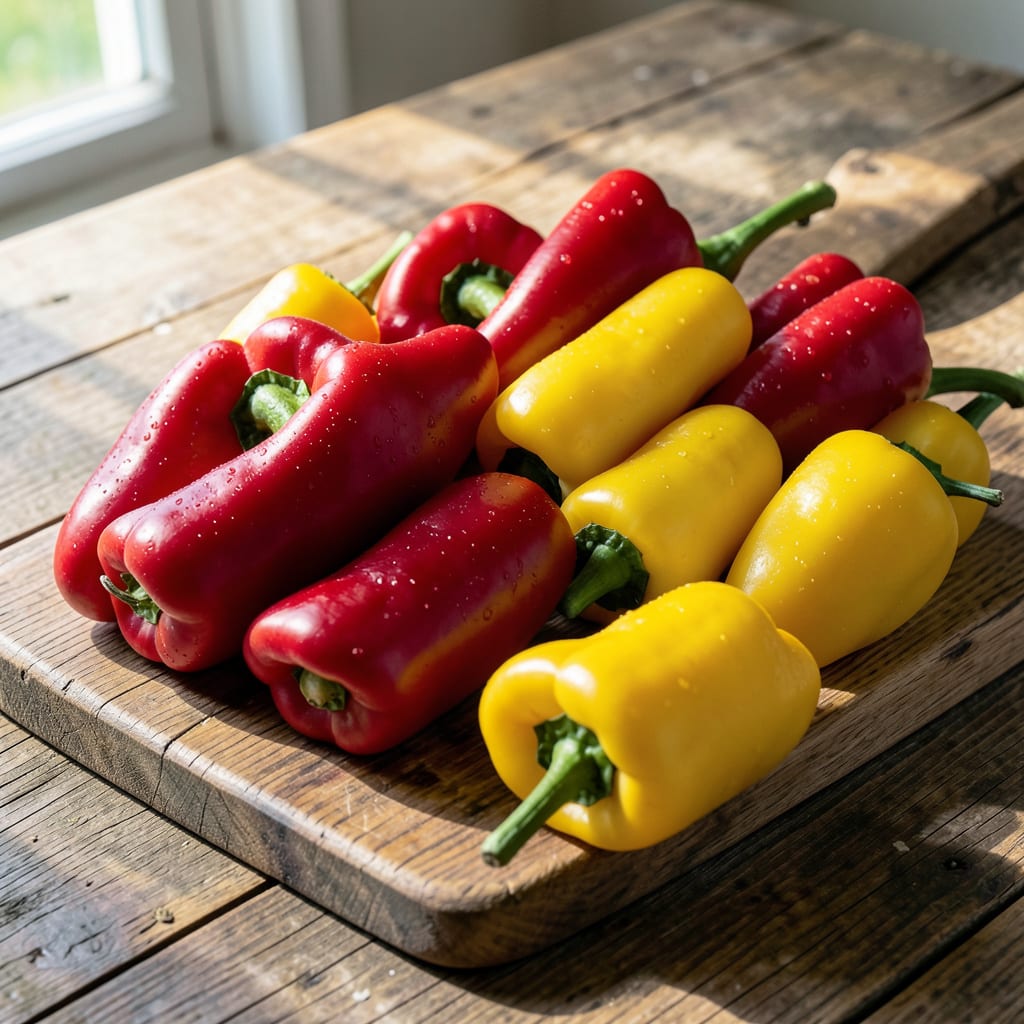
Nothing beats the taste of homegrown peppers straight from your garden. I remember my first harvest—bright, crisp, and bursting with flavor that store-bought just can’t match.
These plants thrive with full sun and consistent watering. Start seeds indoors 8-10 weeks before the last frost, or pick sturdy transplants. With the right care, you’ll be picking vibrant peppers all season long.
📚 In This Guide
Here’s the method I rely on to grow vibrant peppers every season with consistent results.
Begin 8-10 weeks before the last frost by planting seeds in 2-3 inch containers filled with sterile seed-starting mix. Sow ¼ inch deep and keep soil at 75-85°F for optimal germination. I use a seedling heat mat to maintain consistent warmth, which cuts germination time to 7-10 days.
Cover trays with a humidity dome until sprouts appear, then remove immediately to prevent damping-off. You’ll see the first true leaves—distinct from the initial cotyledons—within 2-3 weeks after germination. This is your signal that seedlings are ready for more light.
Peppers demand 14-16 hours of light daily once they sprout. A south-facing window rarely suffices, so I position a full-spectrum grow light 2-4 inches above seedlings, raising it as they grow. Without enough light, stems become leggy and weak within days.
Two weeks before transplanting, start hardening off by placing seedlings outside for 1-2 hours the first day, increasing by 1 hour daily. Watch for wilting or leaf burn as signs of stress. By the end of 10-14 days, they should tolerate a full day outdoors without protection.
Choose a location with full sun and well-draining soil enriched with compost. Space plants 18-24 inches apart in rows 24-36 inches apart. I dig holes slightly deeper than the root ball and add a handful of balanced fertilizer to each before planting.
Water deeply immediately after transplanting to settle the soil around roots. The goal is moist soil, not soggy—peppers hate waterlogged roots. You’ll know it’s right when the top inch feels dry to the touch but the soil below remains damp.
Keep soil consistently moist but never waterlogged. I water at the base in the morning, aiming for 1-2 inches per week, adjusting for rainfall. Mulch with 2-3 inches of organic material to retain moisture and suppress weeds.
Fertilize with a balanced product every 3-4 weeks until fruit sets, then switch to a low-nitrogen formula to encourage fruiting. Watch for flowers—this is the moment that matters: proper pollination leads to those vibrant red and yellow peppers we’re after.
Red and yellow peppers start green and change color as they ripen. Harvest when they reach full size and desired color, typically 70-90 days after transplanting. I use clean pruners to cut the stem just above the fruit to avoid damaging the plant.
Don’t wait too long—overripe peppers become soft and lose flavor. Regular harvesting encourages more production. A single plant can yield 6-8 peppers per season with proper care, and you’ll notice the most vibrant colors develop in full sun with consistent watering.
Here are the key insights that will help you avoid frustration and get the best harvest.
Germination Temperature: Maintaining soil at 75-85°F is critical for the 7-10 day germination window in Step 1. I learned this the hard way after my first batch took nearly three weeks at cooler temps. A seedling heat mat makes all the difference for consistent warmth.
Light Positioning: In Step 2, keep that full-spectrum grow light precisely 2-4 inches above seedlings. Any higher and they’ll stretch toward the light, becoming leggy. I adjust mine daily as the plants grow taller to maintain this perfect distance.
Hardening Off: The 10-14 day hardening process in Step 2 isn’t just about time—it’s about gradual exposure. Start with 1-2 hours outside, increasing by 1 hour daily. Skipping this or moving too fast can shock your seedlings, setting back their growth for weeks.
Watering Wisdom: For Step 4, that 1-2 inches per week guideline is your target, but remember: peppers prefer consistent moisture over daily watering. I check soil by sticking my finger an inch deep—if it’s dry, it’s time to water. Morning watering gives plants time to absorb moisture before the heat of the day.
Red and yellow bell peppers typically take 60-90 days to mature from transplanting. Red varieties often start as green and turn color as they ripen, while yellow ones may stay yellow throughout growth. Patience and warm weather speed up the process!
Yes! Choose a container at least 12 inches deep with good drainage. Use well-draining potting mix and ensure the plant gets 6-8 hours of sunlight daily. Dwarf varieties work best for smaller spaces.
This could be due to insufficient sunlight, cool temperatures, or nutrient deficiencies. Ensure they get full sun and consistent watering. If temperatures drop below 55°F (13°C), ripening slows down significantly.
Plant basil, marigolds, or onions nearby to deter pests and improve growth. Avoid planting near fennel or kohlrabi, as they can stunt pepper growth.
