
Beautiful Plants For Your Interior
Beautiful Plants For Your Interior
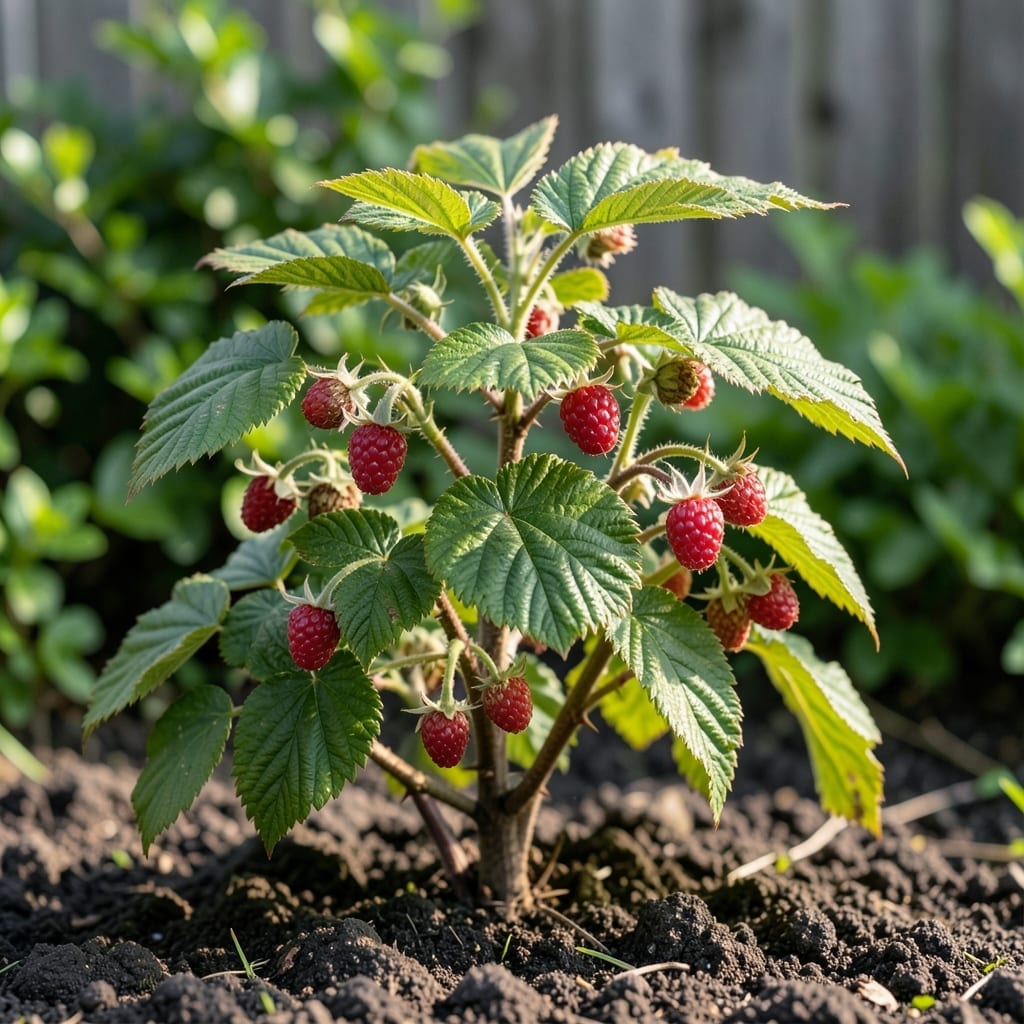
That moment when you see Raspberry Splash Lungwort 🌸 in a garden – its pink and silver leaves practically glow. But moving this beauty to your own space? That’s where many gardeners stumble.
Transplanting this stunner incorrectly can leave you with a sad, wilted plant instead of the vibrant foliage you dreamed of. I’ve been there, and I’ll save you the heartache.
Whether you’re a beginner or a seasoned green thumb, timing and technique are everything. Get it right, and you’ll be rewarded with stunning color all season long.
Let me walk you through the easy steps to ensure your Pulmonaria ‘Raspberry Splash’ thrives in its new home from day one.
Transplanting Raspberry Splash Lungwort is all about timing and care. I always aim for early spring or early fall to avoid stressing the plant during extreme heat or cold.
This Pulmonaria variety thrives when moved during its dormant periods, giving roots time to establish before active growth begins.
The key to success is minimizing root disturbance. I use a sharp spade to cut a wide berth around the plant, preserving as much of the root system as possible.
Once in its new home, Raspberry Splash Lungwort needs consistent moisture for the first few weeks. I check the soil daily, watering when the top inch feels dry.
Don’t forget about light conditions. This beauty prefers partial shade, especially in hotter climates. A spot with morning sun and afternoon shade is ideal.
For soil, aim for rich, humusy conditions. I always mix in compost before planting. This gives your lungwort the nutrients it needs to bounce back quickly.
After transplanting, resist the urge to fertilize immediately. Wait 2-3 weeks to let the plant acclimate. Then, a light application of balanced fertilizer can encourage new growth.
If you notice wilting in the first few days, don’t panic. This is normal transplant shock. Just keep the soil moist, and your plant should perk up within a week.
Finally, remember that Raspberry Splash Lungwort spreads slowly. Give it 12-18 inches of space to grow into its full, colorful potential.
With these steps, your transplanted lungwort will reward you with its stunning pink and silver foliage for years to come 🌸
After transplanting your Raspberry Splash Lungwort, the right conditions make all the difference. I’ve found that partial shade works best, giving those stunning pink-and-silver leaves protection from harsh afternoon sun. 🌿
This plant thrives in moist, well-draining soil rich in organic matter. If your soil is heavy or clay-like, amending it with compost will give your lungwort the perfect foundation to establish strong roots.
| Requirement | Specification |
|---|---|
| Light | Partial shade, 4-6 hours |
| Soil | Moist, well-draining |
| Water | Keep consistently moist |
| Companions | Hostas, ferns, astilbes |
Watering is key post-transplant. I recommend deep watering every 7-10 days to encourage root growth, but always check soil moisture first. Overwatering can be just as harmful as underwatering.
For companion planting, I love pairing Raspberry Splash Lungwort with hostas or ferns. These plants share similar light and moisture needs, creating a low-maintenance, visually stunning garden bed. ✂️
Remember, this plant is hardy in USDA zones 4-8, so it can handle some cold. But in extreme heat, a bit of afternoon shade will keep those leaves looking their vibrant best.
Finally, mulching around your lungwort helps retain moisture and suppress weeds. I use organic mulch like shredded bark, which breaks down over time to feed the soil. 🌱