
Beautiful Plants For Your Interior
Beautiful Plants For Your Interior
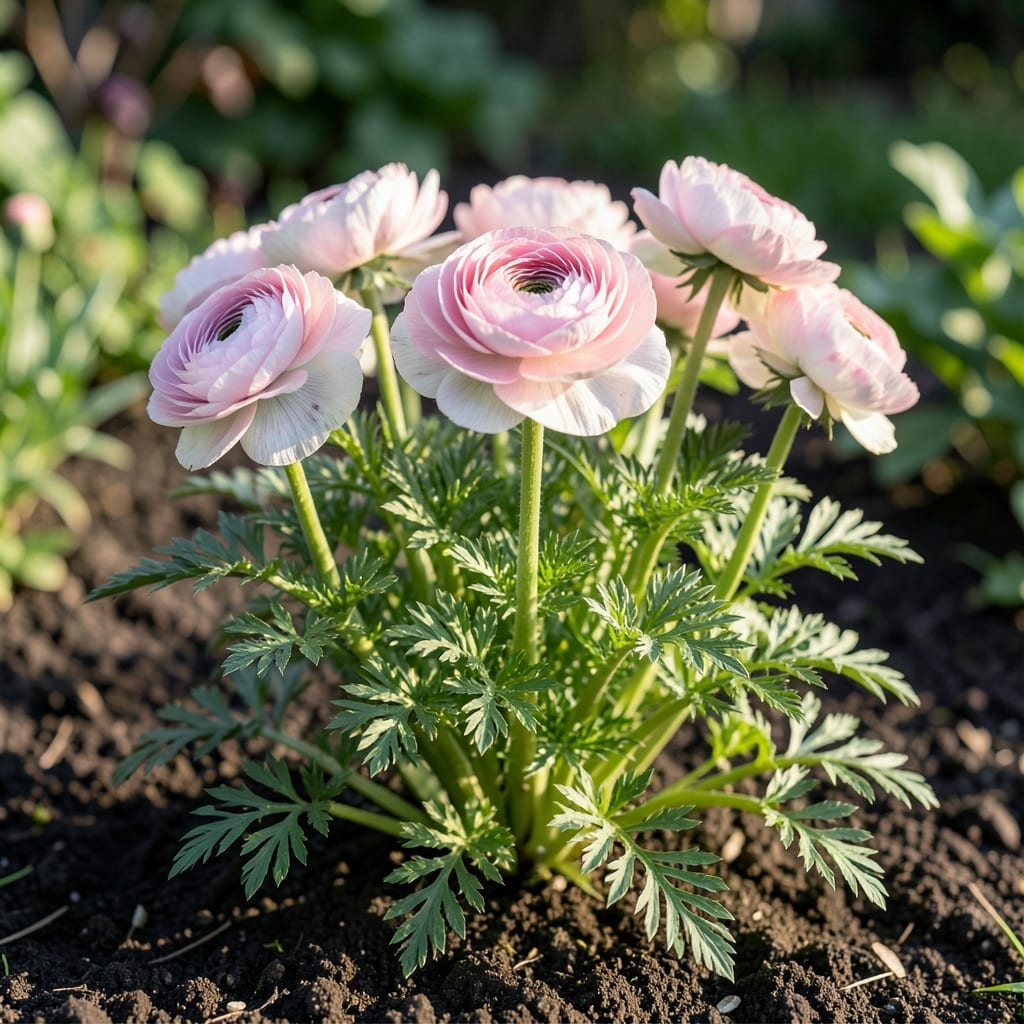
Ranunculus, with their paper-thin, layered petals, can transform any garden into a vibrant display—but only if they receive the right amount of light.
Get it wrong, and you’ll end up with leggy stems and sparse blooms instead of the lush, colorful 🌼 Ranunculus you dream of. The good news? Mastering their light needs is simpler than you think.
I’ve spent seasons fine-tuning the perfect conditions for these beauties, and the difference proper lighting makes is staggering. Whether you’re a beginner or a seasoned gardener, these insights will help you achieve those stunning blooms.
Discover how to strike the perfect balance between sun and shade for your Ranunculus to thrive.


For vibrant ranunculus blooms, I always aim for 6-8 hours of direct sunlight daily. These flowers thrive in bright, consistent light that fuels their layered, paper-like petals. In my experience, anything less results in weak stems and sparse flowers. ☀️
The ideal setup is full sun exposure, especially in cooler climates. However, in hotter regions, I’ve found that afternoon shade prevents petal scorch while still allowing robust growth. This balance keeps the soil temperature optimal for root health. 🌱
| Requirement | Specification |
|---|---|
| Daily Sunlight | 6-8 hours |
| Light Type | Direct to bright indirect |
| Shade Tolerance | Afternoon shade in hot climates |
| Best Window | South-facing |
| Ideal Light Window | 6 AM – 4 PM |
In my garden, I position ranunculus plants where they can soak up morning sunlight. This is gentler and helps dry dew from leaves, reducing disease risk. The intensity of light directly impacts bloom size and color vibrancy. 🌿
For container gardening, I recommend placing pots near a south-facing window or on a sunny patio. If you notice leggy growth, it’s a sign your plants are stretching for more light. Adjust their position immediately.
Seasonal changes matter too. In spring and fall, ranunculus can handle full sun. But during peak summer, I provide shade cloth to protect them from harsh rays. This prevents heat stress and wilting.
If you’re in USDA zones 8-11, like I am, you’ll find ranunculus perform best with consistent light. In cooler zones, maximize sunlight exposure to compensate for shorter days. Always monitor for sunburn signs on petals.
I’ve experimented with east-facing locations, which offer gentle morning sun. While ranunculus can grow here, the blooms are often smaller. For the biggest, boldest flowers, full sun is non-negotiable.
Remember, light quality beats quantity. A few hours of intense sunlight are better than all-day weak light. I use a light meter to ensure my ranunculus get the right exposure, especially in partially shaded areas.
Finally, if you’re growing ranunculus indoors, supplement with grow lights for 12-14 hours daily. This mimics natural conditions and encourages strong, healthy growth. I’ve had great success with LED grow lights for my indoor starts. 🌻
I’ve seen many gardeners struggle with ranunculus plants that look sad and weak. Often, it’s because they’re not getting enough sunlight exposure. Without proper light, these beautiful flowers can’t thrive.
Watch for yellowing leaves, weak stems, or fewer blooms. These are classic signs your ranunculus is light-deprived. The plant may also grow leggy as it stretches toward any light source.
⚠️ Light Deficiency Alert
If your ranunculus has sparse blooms or pale leaves, it likely needs more sunlight. Move it to a sunnier spot with 6-8 hours of direct light daily.
To fix the issue, relocate your ranunculus to a spot with full sun. If that’s not possible, ensure it gets morning sun and bright afternoon shade. This adjustment can make a huge difference.
Another sign is slow growth. If your plants seem stalled, check their light conditions. Ranunculus need consistent light to grow strong and produce vibrant, layered blooms.
I always recommend monitoring your garden’s light patterns throughout the day. Use a sunlight tracker or observe shadows to identify the sunniest spots for your ranunculus.
With the right light adjustments, your ranunculus will reward you with lush foliage and abundant flowers. It’s amazing how quickly they respond to better conditions! ☀️