
Beautiful Plants For Your Interior
Beautiful Plants For Your Interior
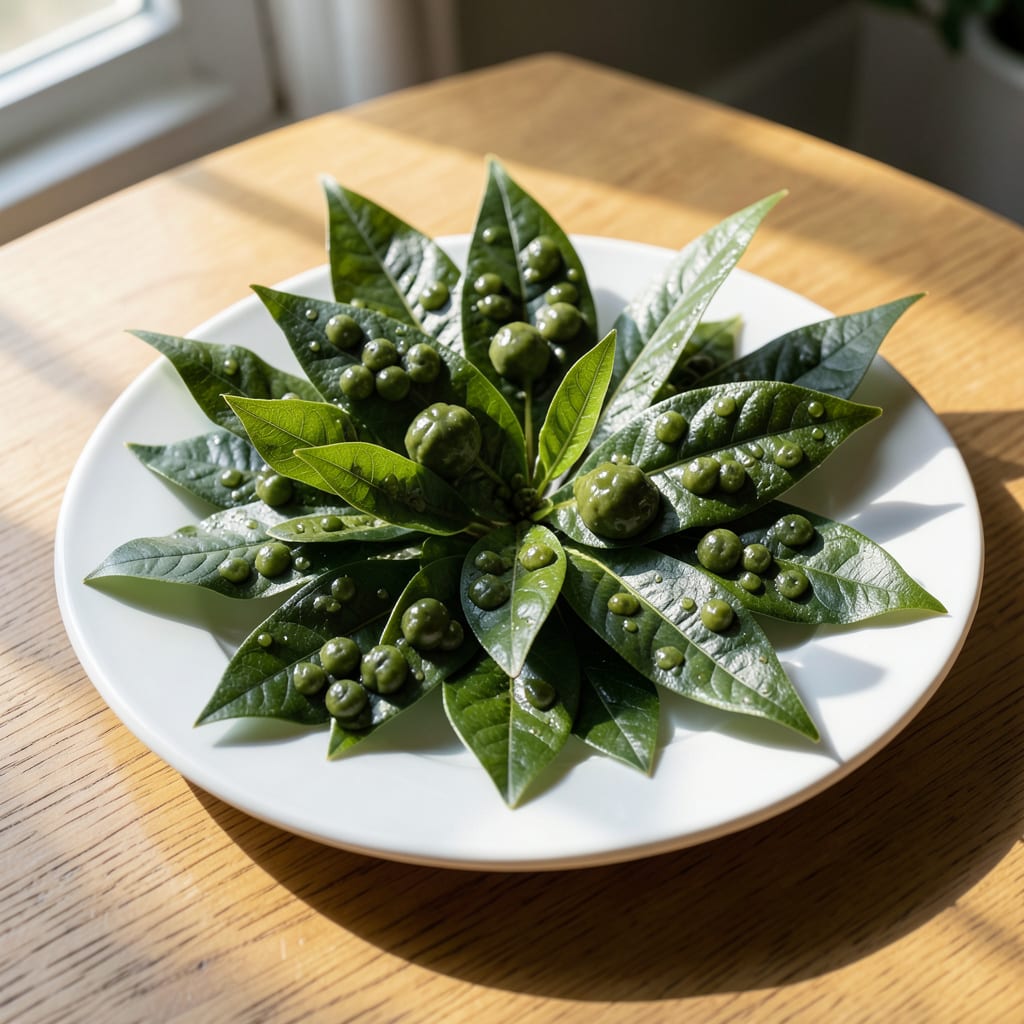
Those tiny raised bumps on your leaves aren’t just unsightly—they’re a cry for help. I’ve learned the hard way that ignoring them means saying goodbye to healthy plants.
Most often, you’re dealing with scale insects or edema, but fungal diseases can mimic the symptoms. The key is getting up close with a magnifying glass to spot the differences.
Early action saves plants. A blast of water dislodges soft scale, while neem oil handles the stubborn cases. For edema, improving air circulation prevents future outbreaks.
Don’t panic—this is fixable. With the right approach, your leaves will be smooth and vibrant again in no time.
Raised bumps on leaves can signal various underlying issues, often tied to pests, pathogens, or environmental stress. Here’s why they appear:
Tiny insects like aphids, scale insects, or spider mites often cause raised bumps by feeding on plant sap. Aphids, for example, inject saliva that triggers gall formation—abnormal cell growth creating small, raised spots. Scale insects attach themselves to leaves, forming hard, bump-like coverings. Check the undersides of leaves for clusters or sticky residue (honeydew), a telltale sign of these pests.
Fungi such as powdery mildew or rust can create raised, blister-like lesions. Powdery mildew forms white, powdery bumps, while rust fungi produce orange or brown pustules. These pathogens thrive in damp, poorly ventilated conditions, so improving airflow and avoiding overhead watering can help prevent outbreaks.
Extreme heat, drought, or nutrient deficiencies (e.g., manganese toxicity) may cause leaf cells to react abnormally, forming raised bumps. Overwatering can also lead to edema, where roots absorb water faster than leaves can transpire, creating swollen, blister-like growths. Ensure consistent watering and balanced soil nutrients to mitigate this.
Bacteria like Pseudomonas syringae or Xanthomonas can induce raised, water-soaked spots that later turn necrotic. These often appear as small, yellow or brown bumps surrounded by a halo. Prune infected leaves and avoid working with plants when they’re wet to limit bacterial spread.
Dealing with raised bumps on leaves often means tackling the root cause head-on. Below are practical fixes for common culprits, along with prevention tips to keep your plants healthy.
If the bumps are tiny, green, or brown insects, aphids or scale are likely to blame. Wipe leaves with a soapy water solution (1 tsp mild soap per quart of water) or use neem oil for a natural fix. For severe infestations, introduce ladybugs or lacewings, which prey on these pests.
Prevention: Inspect new plants before bringing them home and prune heavily infested areas immediately. 💡 Pro tip: Spray plants with water regularly to discourage pests from settling.
Yellow or water-soaked bumps may signal bacterial leaf spot or fungal galls. Remove affected leaves and disinfect pruning tools with rubbing alcohol. Apply a copper-based fungicide or baking soda spray (1 tsp baking soda, 1 quart water, a drop of soap) to halt spread.
Prevention: Avoid overhead watering and improve air circulation around plants. ✨ Keep leaves dry to reduce fungal growth opportunities.
Tiny, moving bumps or silvery streaks? Mites or thrips could be the issue. Spray plants with insecticidal soap or horticultural oil, focusing on the undersides of leaves. Repeat every 5–7 days to break their life cycle.
Prevention: Maintain humidity levels (mites thrive in dry conditions) and quarantine new plants for 2–3 weeks before introducing them to others.
Soft, swollen bumps may indicate edema from overwatering or nutrient excess. Reduce watering frequency and ensure pots have drainage holes. Flush the soil with water to remove excess salts from fertilizers.
Prevention: Use a moisture meter to guide watering and follow fertilizer instructions carefully. 🌡️ Test soil every few months for nutrient levels.
Yes, they often indicate pests or disease that can weaken plants over time. Scale insects, for example, drain plant sap, while fungal bumps can spread and damage foliage. Address them promptly to prevent long-term harm.
Use a magnifying glass to inspect the bumps. Pests like scale are often movable or have a hard shell, while disease-related bumps may appear powdery or water-soaked. Check for sticky residue, a sign of pest activity.
A soapy water spray or neem oil works well for pests. For fungal issues, try a baking soda solution. These are safe, natural options for early intervention.
