
Beautiful Plants For Your Interior
Beautiful Plants For Your Interior
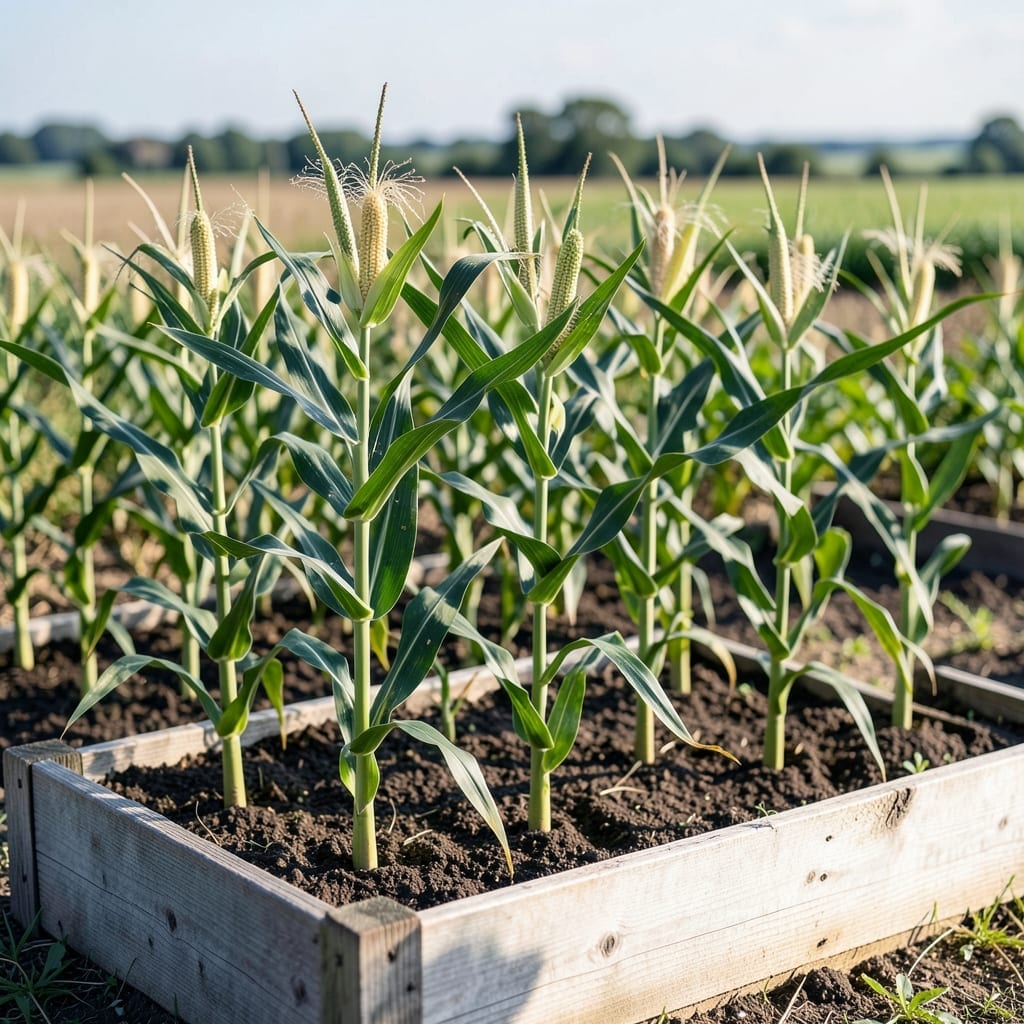
Strong corner posts are the key to a raised garden bed that lasts for years without sagging or warping. I’ve seen too many DIY projects fail simply because the corners couldn’t handle the pressure.
Whether you’re starting fresh or reinforcing an existing bed, choosing the right design makes all the difference. The 🪵 Raised Bed Corner Posts you pick will determine how well your garden holds up over time.
Discover how to build sturdy, long-lasting corners that keep your garden looking great and functioning perfectly through every season.
When building a durable raised bed, the corner posts you choose will determine its lifespan and stability. I’ve tested various materials over the years, and each has its own strengths and weaknesses.
From natural wood to modern composites, the right choice depends on your budget, climate, and maintenance preferences. 🪴
| Material | Durability | Cost | Installation |
|---|---|---|---|
| Cedar Wood | 10-15 years | $$$ | Moderate |
| Pressure-Treated Pine | 15-20 years | $$ | Easy |
| Metal (Galvanized Steel) | 20+ years | $$$$ | Advanced |
| Composite | 25+ years | $$$$ | Easy |
Cedar wood is my top pick for most gardeners because it’s naturally rot-resistant and looks great as it ages. It’s perfect for organic gardens since it doesn’t leach chemicals into the soil.
Pressure-treated pine offers excellent long-term durability at a lower cost, but I recommend using a non-toxic treatment if you’re growing edibles. It holds up well in wet climates.
Metal corner posts, particularly galvanized steel, provide industrial-strength support but can be overkill for small home gardens. They’re ideal for large or permanent beds.
Composite materials are the low-maintenance option, resisting rot, insects, and weather damage. They’re more expensive upfront but save time and replacement costs long-term.
For DIY beginners, I suggest starting with cedar or treated pine. They’re easier to work with and require only basic tools like a saw, drill, and screws. 🌿
In wet climates, avoid untreated wood as it will rot quickly. Instead, opt for composite or metal to prevent premature failure and ensure your bed lasts for decades.
Remember, the height of your corner posts should match your bed’s depth. For most raised beds, 4×4 posts cut to 12-18 inches above ground provide the perfect balance of stability and accessibility.
Building your own wooden corner posts is simpler than you might think. I’ve found that using 4×4 cedar posts provides the perfect balance of strength and workability for most raised beds.
The first step is selecting the right wood. I always recommend naturally rot-resistant options like cedar or redwood for organic gardens, as they won’t leach chemicals into your soil. 🪴
For the actual construction, start by cutting your posts to the desired height. Remember that 12-18 inches above ground is ideal for most raised beds, giving you both stability and easy access.
Next, pre-drill your screw holes to prevent the wood from splitting. This is especially important with harder woods like cedar. I use a drill bit that’s slightly smaller than my screws for the best results.
When assembling, I recommend using galvanized screws rather than nails. They provide a stronger hold and won’t loosen over time. For extra stability, add L-shaped corner braces to the inside of your posts. 🌿
Finally, consider sealing your posts with a non-toxic wood preservative. This will extend their life significantly, especially in wet climates. Just be sure to choose a product that’s safe for use around edible plants.
The whole process typically takes 2-3 hours for a standard 4’x8′ raised bed. With proper construction, your wooden corner posts should last 10-15 years or more, even in challenging weather conditions.