
Beautiful Plants For Your Interior
Beautiful Plants For Your Interior
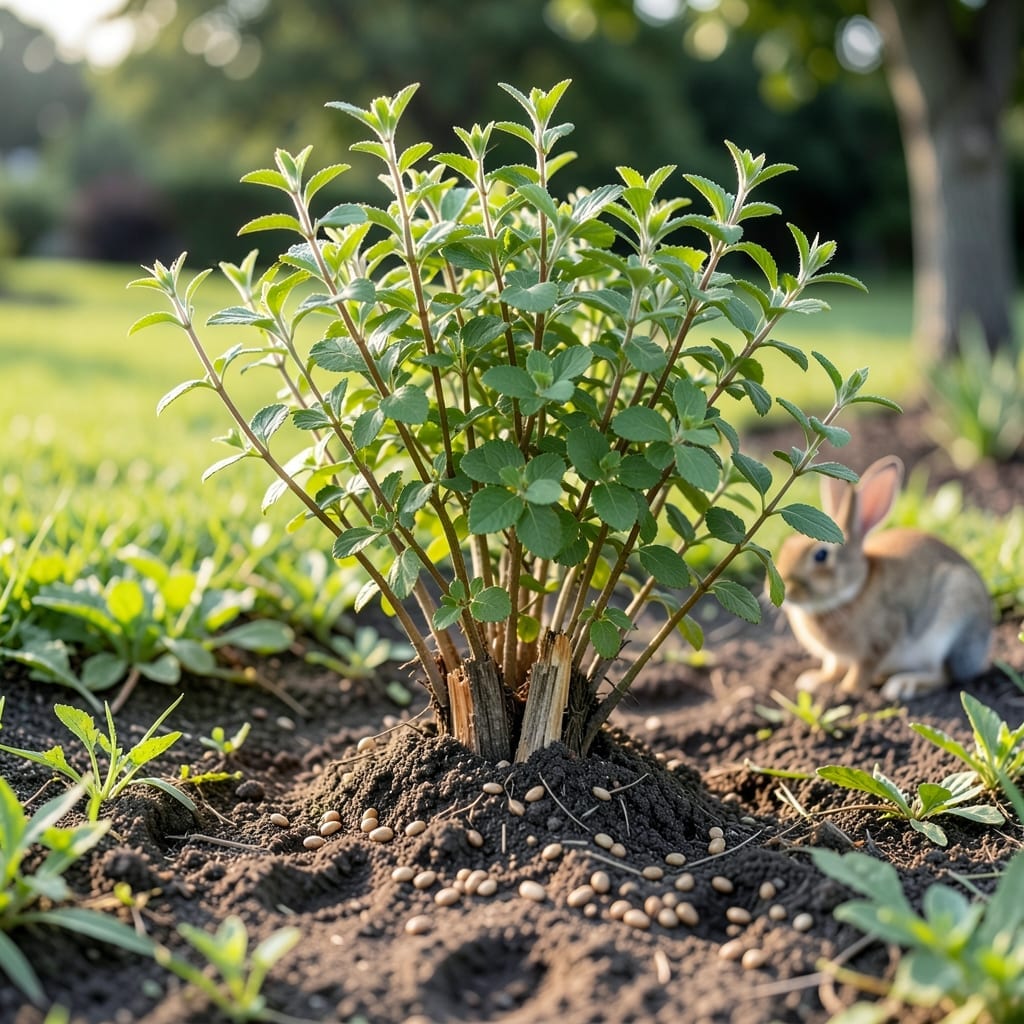
Nothing frustrates a gardener more than discovering your carefully nurtured 🌿 shrubs have been chewed to stubs overnight. Rabbit damage to shrubs is a common but solvable problem that can devastate your landscape if left unchecked.
I’ve seen firsthand how these adorable pests can wreak havoc on Shrubs in Zone 6 gardens. The good news? There are effective ways to protect your investment and keep your garden thriving.
Learn how to spot the signs early and implement prevention strategies that actually work. Your shrubs don’t have to be a rabbit buffet.
When I first noticed my boxwood shrubs looking ragged, I knew something was wrong. Rabbits leave distinctive signs that set them apart from other pests. Look for clean, angled cuts on stems at ground level.
Unlike deer that leave ragged edges from tearing, rabbits make precise 45-degree cuts with their sharp incisors. The damage typically occurs on young, tender stems and thin bark areas. 🌿
| Damage Type | Rabbit Signs | Deer Signs | Rodent Signs |
|---|---|---|---|
| Stem Cuts | Clean 45° angle | Ragged tears | Gnawed grooves |
| Bark Damage | Smooth gnaws | Shredded bark | Small holes |
| Height | Ground level | Up to 6 ft high | Base level |
| Tooth Marks | Small incisor prints | No teeth marks | Tiny chisel marks |
I often find rabbit damage concentrated on the south-facing sides of shrubs, where snow melts first in winter. This exposes tender bark that rabbits find irresistible during food-scarce months.
Another telltale sign is missing buds and nibbled leaves on lower branches. Rabbits prefer young, succulent growth over woody stems. Check for small pellets near the damage as additional evidence.
In my garden, I’ve noticed rabbits are most active during early morning and dusk hours. The damage often appears overnight, with fresh cuts looking light-colored before they dry and darken.
For evergreen shrubs like arborvitae, rabbits may strip needles from lower branches, leaving bare patches. This can be particularly damaging as it affects the plant’s ability to photosynthesize.
Remember that rabbits are creatures of habit. Once they find a food source, they’ll return nightly. I recommend checking your shrubs daily during winter when food is scarce and damage is most likely.
If you see multiple shrubs with similar damage patterns, it’s almost certainly rabbits. They tend to work in groups and will systematically damage plants in their feeding area.
Don’t confuse rabbit damage with voles or mice, which create smaller, more irregular gnaw marks and often leave surface runways in the grass. Rabbits leave clear, precise cuts without these additional signs.
I’ve tested numerous methods to protect my shrubs from rabbits, and some work far better than others. The key is combining multiple approaches for the best defense. Physical barriers are my top recommendation for immediate protection. 🌿
Chicken wire fencing at least 2 feet high with the bottom buried 6 inches deep works wonders. I also use tree guards for individual shrubs, especially young or vulnerable plants.
For natural repellents, I’ve had success with hot pepper spray applied weekly. The capsaicin deters rabbits without harming plants. Predator urine from garden centers also works but needs reapplication after rain. ☀️
Habitat modification is often overlooked but highly effective. I clear brush piles and tall grass near my garden to remove rabbit hiding spots. They’re less likely to visit if they feel exposed.
I’ve found commercial repellents work well but can be costly for large areas. For budget-friendly options, homemade sprays with garlic and eggs can be effective, though they need frequent reapplication.
Remember that young shrubs are most vulnerable. I prioritize protecting new plantings for the first 2-3 years until they develop thicker bark. This investment in protection pays off with healthy, mature plants that can better withstand occasional nibbling.