
Beautiful Plants For Your Interior
Beautiful Plants For Your Interior
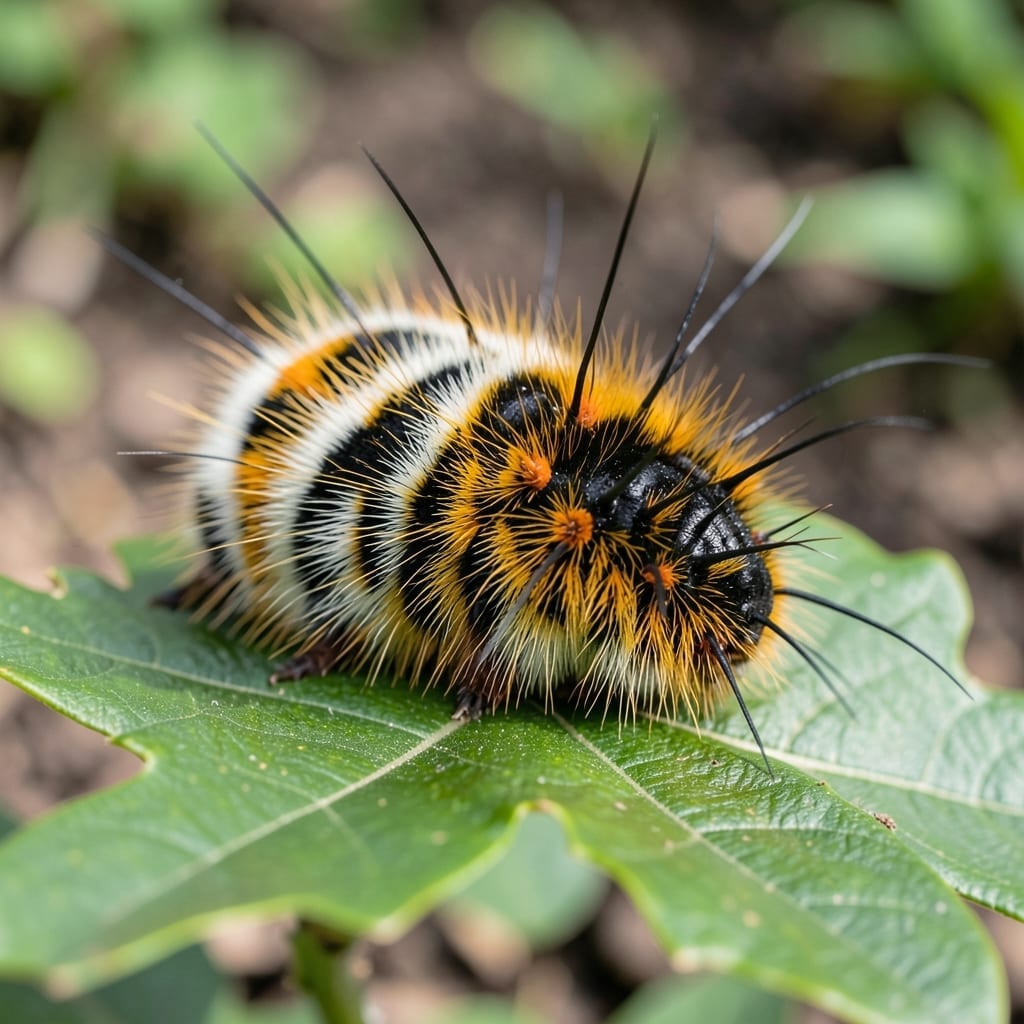
That fuzzy caterpillar might look cute, but it packs a painful surprise. 🌿 I learned this the hard way after brushing against one while gardening—what followed was instant, sharp pain that lasted for hours.
The puss moth caterpillar’s spines inject venom that causes redness, swelling, and intense discomfort. Don’t be fooled by its soft appearance; those tiny hairs are loaded with irritants.
Immediate care makes all the difference. Wash the area, remove any visible spines, and apply a cold compress to reduce swelling. Over-the-counter pain relief helps, but seek medical attention if symptoms worsen.
Knowing how to identify and respond to this caterpillar keeps you safe in the garden. Prevention starts with recognizing its fluffy, tan-and-white body before you accidentally touch it.
The puss moth caterpillar sting is a defensive reaction triggered by the caterpillar’s unique venomous spines. Unlike bees or wasps, this sting isn’t delivered through a bite but through microscopic, hollow hairs (setae) that inject venom upon contact. Below are the primary reasons why this painful encounter happens:
Puss moth caterpillars (Megalopyge opercularis) rely on their venomous spines as a survival tactic. When threatened—whether by a predator, human touch, or even brushing against clothing—the caterpillar’s fragile setae break off into the skin, releasing toxin. This is purely instinctual; the caterpillar doesn’t “choose” to sting but reacts to pressure or disturbance.
These caterpillars often blend into their surroundings, resembling tufts of fur or dried leaves. Their fluffy, tan, or gray appearance makes them nearly invisible on trees, garden plants, or even outdoor furniture. Accidental contact—such as reaching for a branch or sitting on infested patio furniture—is a common cause of stings.
Many people (especially children or gardeners) may not recognize the caterpillar as dangerous due to its cute, fuzzy look. Handling it out of curiosity or attempting to remove it bare-handed leads to direct exposure. Even indirect contact, like touching a contaminated surface, can cause setae to embed in the skin.
Stings are more likely during late summer and early fall, when puss moth caterpillars are most active and abundant. Warmer climates (e.g., the southern U.S.) see higher populations year-round, increasing the risk of accidental encounters in yards, parks, or wooded areas.
Encountering a puss moth caterpillar can lead to a painful sting, but quick and proper action can ease the discomfort. Here’s how to address the issue based on common causes and symptoms, along with tips to prevent future stings.
If the sting causes sharp pain or a burning sensation, wash the affected area with soap and water to remove any remaining spines or venom. Apply a cold compress or ice pack wrapped in a cloth for 10-15 minutes to reduce swelling and numb the pain. Over-the-counter pain relievers like ibuprofen or acetaminophen can also help manage discomfort.
For swelling or itching, apply a hydrocortisone cream or calamine lotion to soothe the skin. If the reaction is severe, an oral antihistamine (e.g., Benadryl) can help control allergic responses. Avoid scratching the area, as this can worsen irritation or lead to infection.
In rare cases, a sting may cause difficulty breathing, dizziness, or widespread swelling. Seek emergency medical attention immediately if these symptoms occur. For milder allergic reactions, monitor the area closely and consult a doctor if symptoms persist or worsen.
Prompt action and preventive measures can make all the difference in managing and avoiding puss moth caterpillar stings.
Pain typically peaks within 5-10 minutes and may linger for 1-2 hours. Swelling and itching can persist up to 24 hours in milder cases.
Use tweezers to carefully remove visible spines, but avoid squeezing the area. Never rub the skin, as this can push spines deeper and worsen the reaction.
Seek medical help if you experience difficulty breathing, severe swelling, or signs of infection like pus or fever. Children and those with allergies should be monitored closely.
They’re most common in the southern U.S., from Texas to Florida, but can appear in warmer climates year-round. Always check plants and outdoor surfaces in these regions.