
Beautiful Plants For Your Interior
Beautiful Plants For Your Interior
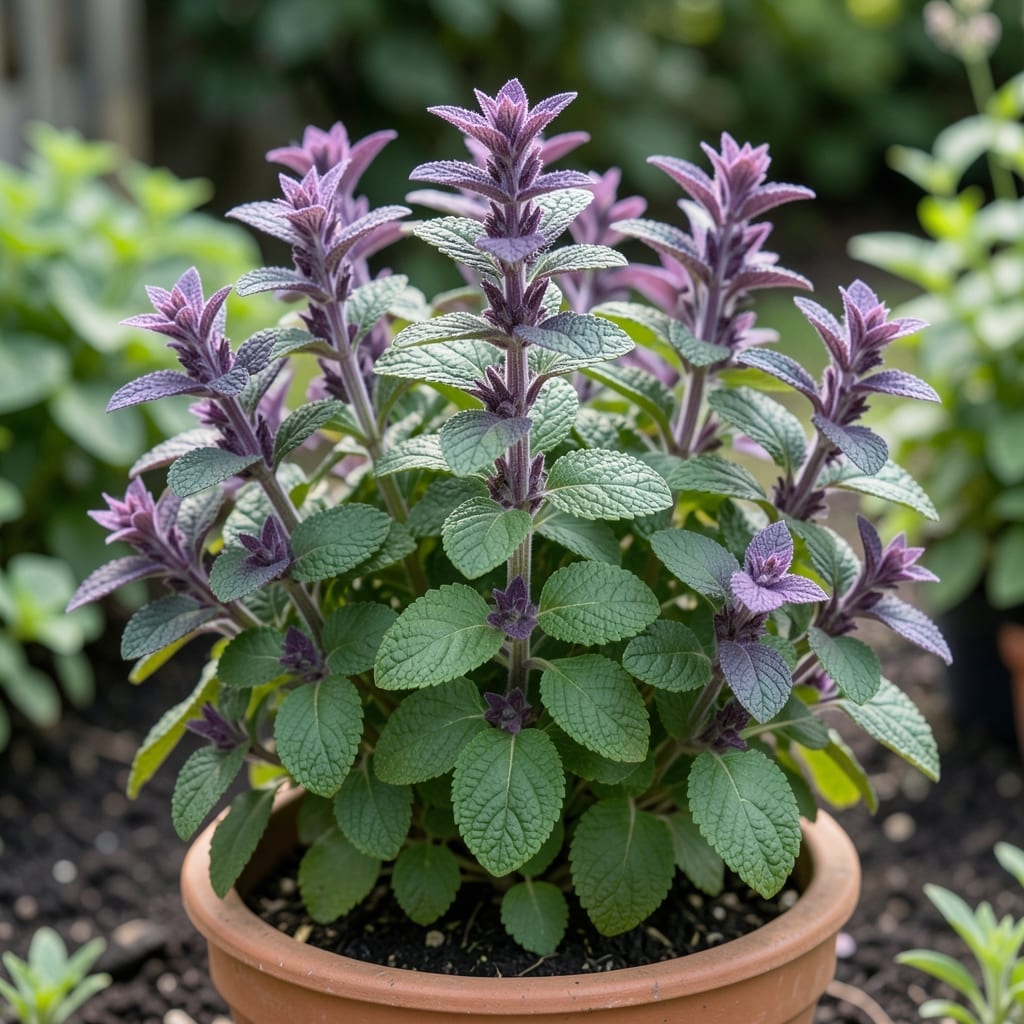
Those purple mint leaves caught me off guard last spring. I’d assumed it was just a new variety until the discoloration spread, signaling something was wrong with my usually vibrant green plants.
Turns out, purple leaves often point to phosphorus deficiency, cold stress, or fungal trouble. The fix isn’t complicated—just a matter of adjusting care based on what your mint is trying to tell you.
With the right tweaks, you’ll see fresh, healthy growth returning in 2-3 weeks. The plant bounces back stronger, and you avoid the same mistake next season.
Works for container mint, garden beds, or even indoor setups. Here’s how to diagnose and treat it.
The striking purple hue in Mentha leaves isn’t just a pretty quirk—it’s often a stress signal. Below are the most common causes, grounded in plant physiology.
When soil lacks sufficient phosphorus, mint plants struggle to produce chlorophyll, the green pigment essential for photosynthesis. In response, anthocyanins—purple pigments—accumulate in the leaves as a protective mechanism. This is especially common in cold, waterlogged, or acidic soils where phosphorus becomes less available to roots.
Actionable fix: Test soil pH (aim for 6.0–7.0) and amend with bone meal or compost to restore phosphorus levels.
Mint thrives in warm conditions. When exposed to temperatures below 50°F (10°C), metabolic processes slow, and anthocyanin production spikes to shield cells from damage. This is temporary—leaves may revert to green once warmth returns.
Actionable fix: Move potted mint indoors or use row covers during cold snaps.
Excess moisture suffocates roots, reducing oxygen uptake and nutrient absorption (including phosphorus). The resulting stress triggers purple discoloration, often accompanied by wilting.
Actionable fix: Ensure containers have drainage holes and use well-draining soil. Water only when the top inch of soil is dry.
While mint prefers partial shade, intense direct sunlight can cause photo-oxidative stress, leading to anthocyanin buildup. Conversely, too little light weakens chlorophyll production, revealing purple undertones.
Actionable fix: Provide dappled shade or 4–6 hours of morning sun for optimal growth.
Purple leaves often signal a phosphorus deficiency. Fix this by adding bone meal or a balanced fertilizer (10-10-10) to the soil. Water thoroughly after application to help nutrients reach the roots. Prevention tip: 💡 Test soil pH every 6 months—mint thrives in slightly acidic to neutral soil (6.0–7.0).
If leaves turn purple after a cold snap, move potted mint indoors or cover garden plants with frost cloth. Keep temperatures above 50°F (10°C). Prevention tip: ✨ Acclimate plants gradually to temperature changes in spring/fall.
Soggy roots can cause purple discoloration. Let the top 1–2 inches of soil dry between waterings. Ensure pots have drainage holes and use well-draining soil mixes. Prevention tip: 🎯 Water in the morning to allow excess moisture to evaporate during the day.
Pests stress plants, leading to color changes. Spray leaves with neem oil or insecticidal soap, focusing on the undersides. Repeat every 5–7 days until pests are gone. Prevention tip: 🌿 Introduce beneficial insects like ladybugs to deter pests naturally.
Too much direct sunlight can scorch leaves, turning them purple. Move plants to partial shade (4–6 hours of sunlight daily). Prevention tip: 🔥 Rotate potted mint weekly for even light distribution.
Not always. Some mint varieties naturally have purple tinges, but sudden widespread purpling usually signals stress like nutrient deficiency or cold exposure. Check for other symptoms like wilting.
With proper care (adjusting water, nutrients, or temperature), new growth should appear green in 2-3 weeks. Existing purple leaves may not fully revert but will be replaced.
Yes, if caused by environmental factors. Avoid using leaves affected by pests or fungal diseases. Wash thoroughly and taste first—flavor may be slightly bitter.
Maintain consistent conditions: well-draining soil, moderate sunlight, and temperatures above 50°F (10°C). Regular soil testing helps catch deficiencies early.