
Beautiful Plants For Your Interior
Beautiful Plants For Your Interior
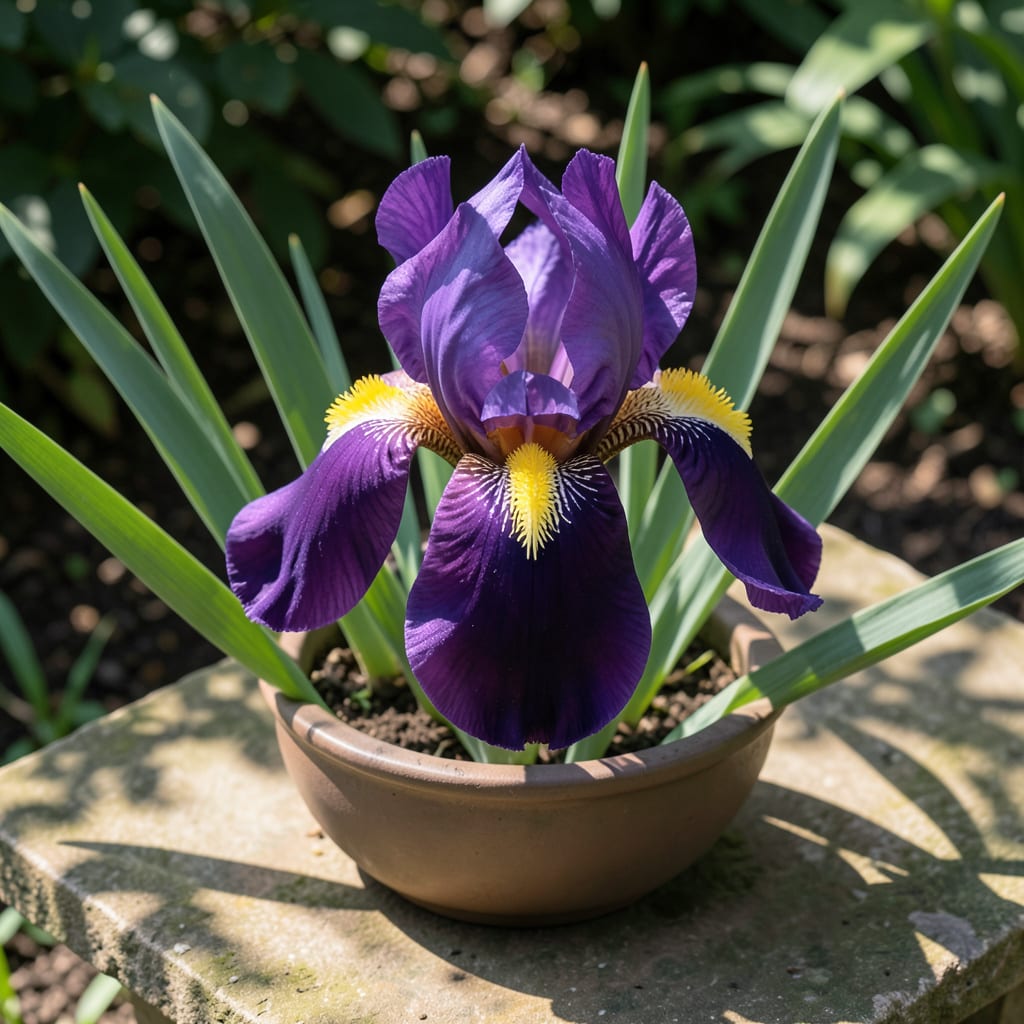
I fell for purple iris with yellow beard the first time I saw those velvety petals glowing in spring light. The contrast between deep purple and golden beards stops people in their tracks every time.
These plants thrive with minimal effort—just well-draining soil, full sun, and occasional watering. You’ll get reliable blooms year after year with almost no maintenance, and they multiply beautifully over time.
📚 In This Guide
Here’s the method I use every year to get vibrant bi-color blooms that stop neighbors in their tracks.
Select a spot that receives full sun to partial shade, with at least 6 hours of direct sunlight daily. Purple iris with yellow beard thrive in well-draining soil, so avoid low-lying areas where water pools. I always test drainage by digging a 1-foot hole and filling it with water—if it’s gone within 2 hours, you’re good.
Space plants 12-18 inches apart to allow for their mature spread. These irises grow from rhizomes that expand horizontally, so crowding them now means dividing them sooner. Mark your spots with small flags to visualize the layout before digging.
Work the soil to a depth of 12 inches, removing rocks and breaking up clumps. Purple iris prefer slightly acidic to neutral soil (pH 6.8-7.0). If your soil is heavy clay, mix in 2-3 inches of compost to improve drainage and fertility.
I avoid high-nitrogen fertilizers at planting time—they promote leafy growth at the expense of flowers. Instead, work in a balanced 10-10-10 fertilizer lightly, about 1 tablespoon per plant. This gives them a gentle nutrient boost without overwhelming new rhizomes.
Dig shallow holes just deep enough to accommodate the rhizomes, which should be partially exposed at the soil surface. Place each rhizome horizontally with the fan of leaves pointing upward. This positioning prevents rot while allowing the roots to establish properly.
Firm the soil gently around the roots, but leave the top of the rhizome visible. Water thoroughly after planting to settle the soil and eliminate air pockets. You’ll see new growth emerging within 2-3 weeks if conditions are right.
Water deeply once a week during the first growing season, providing about 1 inch of water per week. Purple iris are drought-tolerant once established, but consistent moisture helps new plants develop strong root systems. I check soil moisture by sticking my finger 1 inch deep—if it feels dry, it’s time to water.
Reduce watering frequency after the first year, as these plants prefer slightly dry conditions between waterings. Always water at the base to keep foliage dry, which prevents fungal diseases. Morning watering allows leaves to dry quickly in the sun.
Remove spent blooms immediately after they fade to prevent seed formation, which diverts energy from next year’s flowers. Cut the flower stalk down to the base but leave the foliage intact—it continues photosynthesizing to feed the rhizome for future growth.
Divide clumps every 3-4 years when blooms become sparse or the center dies out. This rejuvenates the plants and gives you more to share or expand your garden. I do this in late summer, about 6 weeks after blooming, to allow time for root establishment before winter.
Small adjustments in planting make a big difference in bloom quality.
Sunlight Strategy: Those 6 hours of direct sunlight daily are non-negotiable for vibrant blooms. I learned the hard way that even partial shade for too long results in weaker stems and fewer flowers. If your garden has dappled sunlight, prioritize morning sun which is less intense than afternoon rays.
Drainage Test: The 1-foot hole drainage test in Step 1 saves more plants than any other trick. If water doesn’t disappear within exactly 2 hours, consider raised beds or amending with sand. Standing water is the fastest way to rot those rhizomes before they even get started.
Spacing Secret: Planting at the full 12-18 inches apart might look sparse at first, but these irises spread faster than you expect. I started with 8-inch spacing my first year and had to divide them after just two seasons—double the work for half the blooms.
Planting Position: In Step 3, leaving the top of the rhizome partially exposed feels counterintuitive but prevents rot. I bury mine just slightly deeper than recommended once, and lost half the planting to soft rot. The visible rhizome also helps you monitor for pests or disease.
The ideal time is late summer to early fall, about 6–8 weeks before the first frost. This gives roots time to establish before winter.
They thrive in full sun (6+ hours daily) but tolerate partial shade, especially in hotter climates. Too much shade may reduce blooms.
Watch for iris borers, aphids, or fungal infections like leaf spot. Remove affected foliage and ensure good drainage to prevent issues.
Yes! Use a large pot with well-draining soil and full sun exposure. Divide clumps every 2–3 years to maintain vigor.
Pair with low-growing plants like lavender, salvia, or daylilies to complement their height and color while deterring pests.
