
Beautiful Plants For Your Interior
Beautiful Plants For Your Interior
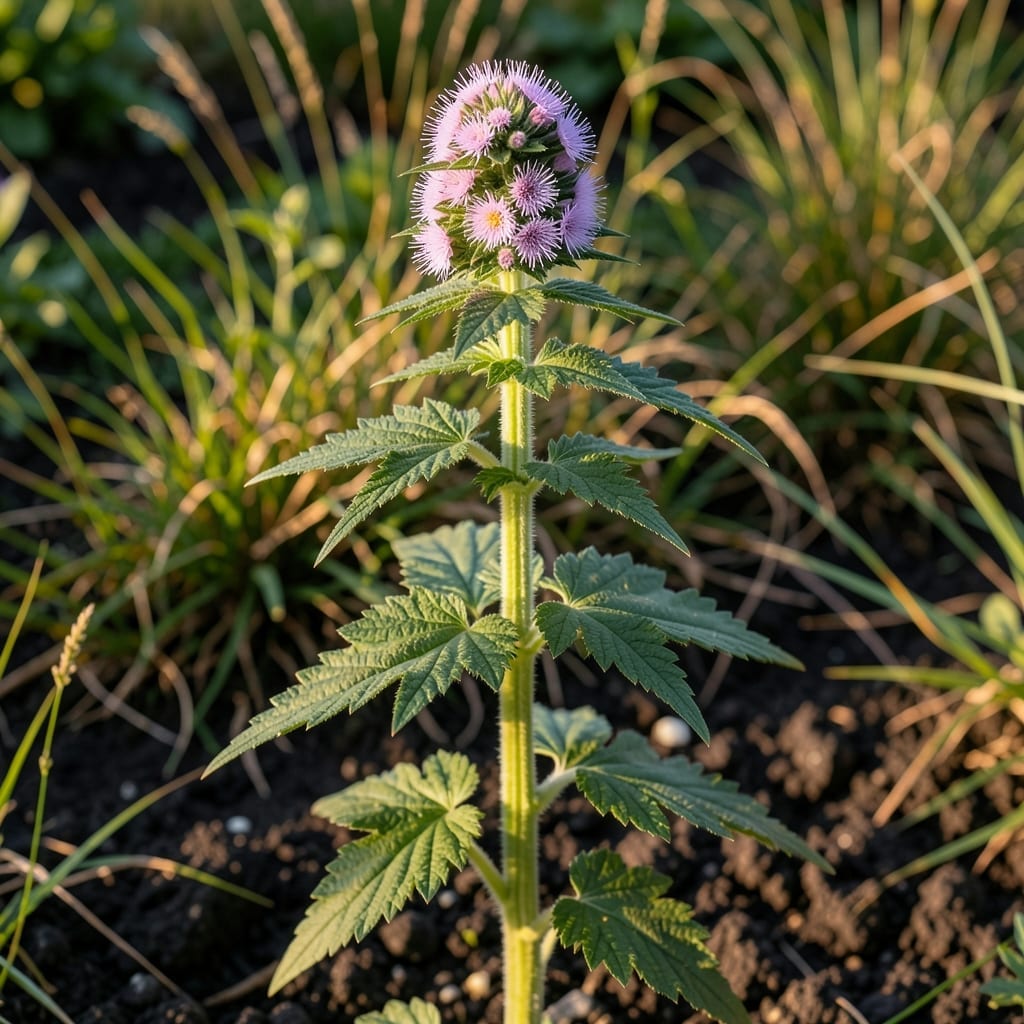
Spotted that aggressive purple invader in your flower beds yet? This plant spreads faster than gossip at a garden party, choking out the good stuff with its fuzzy blooms.
I first noticed it along my fence line—pretty at first, then everywhere. The key is catching it early before it sets seed and takes over your entire spring garden. It thrives in disturbed soil and loves full sun.
Pulling works best when the soil’s moist, but you’ve got to get the roots. Miss even a bit, and it’s back with a vengeance. A simple weeding tool makes the job easier.
Prevention beats cure every time. Mulch heavily and fill bare spots quickly. That’s how you keep this purple menace from returning next season.
The appearance of purple fluffy flower weed—often identified as Chromolaena odorata or other invasive species in the Asteraceae family—is typically driven by a few key environmental and human-induced factors. Understanding these causes helps prevent its spread and manage infestations effectively.
This weed thrives in disturbed soils, such as areas cleared for farming, construction, or landscaping. When native vegetation is removed, bare soil becomes a prime target for wind-dispersed seeds. The plant’s rapid rooting system allows it to outcompete slower-growing native species, especially in nutrient-poor or compacted soils.
Each fluffy purple flower head produces hundreds of tiny seeds equipped with pappus (parachute-like structures), enabling them to travel long distances via wind. A single plant can release thousands of seeds in a season, making containment difficult without proactive removal of flower heads before they mature.
Unintentional transport plays a major role. Seeds hitch rides on gardening tools, vehicles, or contaminated soil and compost. Additionally, some gardeners mistakenly cultivate it as an ornamental due to its vibrant blooms, unknowingly introducing it to new areas.
This weed tolerates a wide range of conditions, from drought-prone areas to high-rainfall zones. Its resilience allows it to establish itself in both tropical and temperate climates, often outlasting less hardy plants during seasonal changes.
Tackling purple fluffy flower weeds doesn’t have to be a battle. With the right approach, you can reclaim your garden and keep these invaders at bay. Here’s how to solve the problem for the most common causes:
Fix: Pull weeds by hand, ensuring you remove the entire root to prevent regrowth. Use a weeding tool for stubborn roots. For larger infestations, smother the area with a thick layer of mulch or cardboard to block sunlight.
Prevention: Apply a 2-3 inch layer of organic mulch to beds annually. This suppresses weed seeds and retains soil moisture.
Fix: Improve soil quality by adding compost or organic matter. Healthy soil fosters strong plant growth, which naturally crowds out weeds. For existing weeds, use a vinegar-based herbicide (1 gallon of vinegar + 1 cup of salt + 1 tbsp dish soap) for a targeted, organic solution.
Prevention: Test your soil annually and amend it as needed. Rotate crops and plant cover crops like clover to outcompete weeds.
Fix: Set a weekly weeding schedule. Spend 10-15 minutes scanning your garden for new growth and pull weeds while they’re small and easy to manage. Use a hoe to cut down weeds at the soil surface before they seed.
Prevention: Keep your garden edges clean and mow regularly if weeds appear in lawn areas. Consistent care prevents weeds from taking hold.
💡 Pro Tip: Water your garden in the early morning to give plants a head start and reduce weed germination. Avoid overhead watering, which can spread weed seeds.
Yes, it aggressively competes for nutrients and space. Its fast growth can smother nearby plants and reduce biodiversity in your garden beds.
Extremely quickly. A single plant can produce thousands of wind-dispersed seeds in one season, and its roots establish rapidly in disturbed soil. Early removal is key.
No, unless your compost reaches 140°F+ to kill seeds. Otherwise, you risk spreading it back into your garden when you use the compost.
Spring or early summer, before it flowers and sets seed. Pull when soil is moist for easier root removal.