
Beautiful Plants For Your Interior
Beautiful Plants For Your Interior
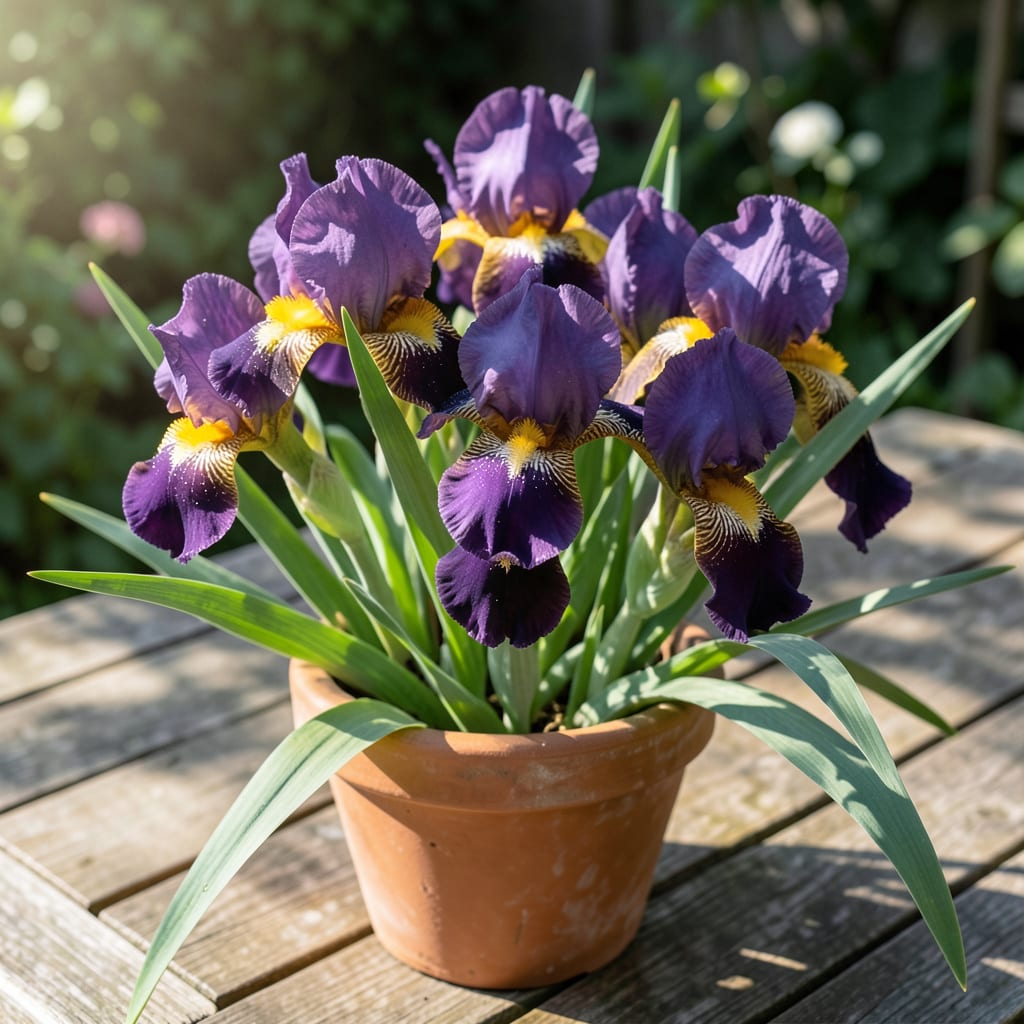
Purple and yellow irises bring bold, eye-catching color to any garden bed. I’ve found this classic combo creates a striking contrast that feels both elegant and playful at the same time.
They thrive in full sun with well-drained soil, and once established, they return year after year with minimal care. The key is planting the rhizomes shallowly and giving them room to spread for a long-lasting display.
📚 In This Guide
Here is how I create stunning color combinations that thrive season after season.
Select a spot with full sun to partial shade, as irises need at least 6 hours of sunlight daily for vibrant blooms. The soil should be well-draining—irises rot in soggy conditions. I test drainage by digging a 12-inch-deep hole and filling it with water. If it drains within 1 hour, you’re good to go.
Work the soil to a depth of 12-15 inches, removing weeds and breaking up clumps. Mix in a 2-inch layer of compost to improve fertility. Avoid heavy clay or overly sandy soil, as both can stunt growth. The ideal pH is slightly acidic to neutral (6.8-7.0).
Dig shallow holes, about 4 inches deep and 12-24 inches apart. Irises spread, so give them room. Place each rhizome horizontally in the hole, with the top half exposed to sunlight. This prevents rot and encourages healthy growth.
Firm the soil gently around the roots but leave the rhizome partially visible. Water lightly to settle the soil, but don’t soak it. Overwatering at this stage can cause the rhizomes to rot before they establish. You’ll see new growth in 2-3 weeks if conditions are right.
Keep the soil evenly moist but not waterlogged for the first 2-3 weeks after planting. After that, irises are drought-tolerant and only need watering during prolonged dry spells. I water deeply once a week, allowing the soil to dry out slightly between waterings.
Apply a 2-inch layer of mulch around the plants to retain moisture and suppress weeds. Use organic mulch like shredded bark or straw, but keep it 1 inch away from the rhizomes to prevent rot. You’ll know the mulch is working when the soil stays cool and moist under the surface.
Feed irises with a low-nitrogen fertilizer (like 6-10-10) in early spring and again after blooming. Too much nitrogen promotes leafy growth at the expense of flowers. Sprinkle the fertilizer around the base of the plants and water it in lightly.
Remove spent blooms regularly to encourage more flowers and prevent seed pods from forming. In late fall, cut back the foliage to 6 inches above the ground to reduce pest problems. This keeps the garden tidy and helps the plants focus energy on root growth for the next season.
Divide clumps every 3-4 years when blooms diminish. This rejuvenates the plants and gives you more irises to expand your colorful display.
Here are the details that make the difference between struggling irises and a thriving garden display.
Sunlight Strategy: That 6 hours of daily sunlight isn’t just a suggestion—it’s the key to those vibrant purple and yellow blooms. I learned this the hard way when my first planting in a shady corner produced weak, pale flowers. Full sun to partial shade works, but don’t skimp on the light if you want that stunning color contrast.
Drainage Test: The 1-hour drainage test in Step 1 is non-negotiable. After digging that 12-inch-deep hole, if the water doesn’t drain within the hour, you’ll need to amend your soil or choose a different spot. Irises will rot in soggy conditions, and no amount of care will save them from poor drainage.
Rhizome Placement: In Step 2, leaving the top half of the rhizome exposed might feel counterintuitive, but it’s crucial. I buried mine completely the first time and lost half the planting to rot. The exposed portion needs sunlight and air circulation to thrive—firm the soil around the roots, but resist the urge to cover the entire rhizome.
Mulching Technique: That 1-inch gap around the rhizomes when applying mulch in Step 3 isn’t just a detail—it’s rot prevention. I’ve seen gardeners pile mulch right up to the base of the plants, only to find their irises suffering later. Keep the mulch 1 inch away to allow airflow while still retaining moisture.
Purple irises represent royalty and wisdom, while yellow irises symbolize passion and energy. Together, they create a vibrant contrast that conveys elegance and joy in garden designs.
The ideal time is late summer to early fall (August–October) for most climates. This allows roots to establish before winter. In warmer zones, planting in early spring also works.
Yes! Use large pots (12″+ deep) with well-draining soil and full sun. Dwarf varieties like ‘Purple Hill’ or ‘Lemon Chiffon’ thrive in containers. Ensure consistent watering but avoid soggy soil.
Common reasons include overcrowded rhizomes, too much shade, or excessive nitrogen fertilizer. Divide clumps every 3–4 years and ensure 6+ hours of sunlight daily for optimal blooms.
Pair them with low-growing plants like lavender, salvia, or ornamental grasses. These complement the irises’ height and colors while hiding their foliage after blooming.
