
Beautiful Plants For Your Interior
Beautiful Plants For Your Interior
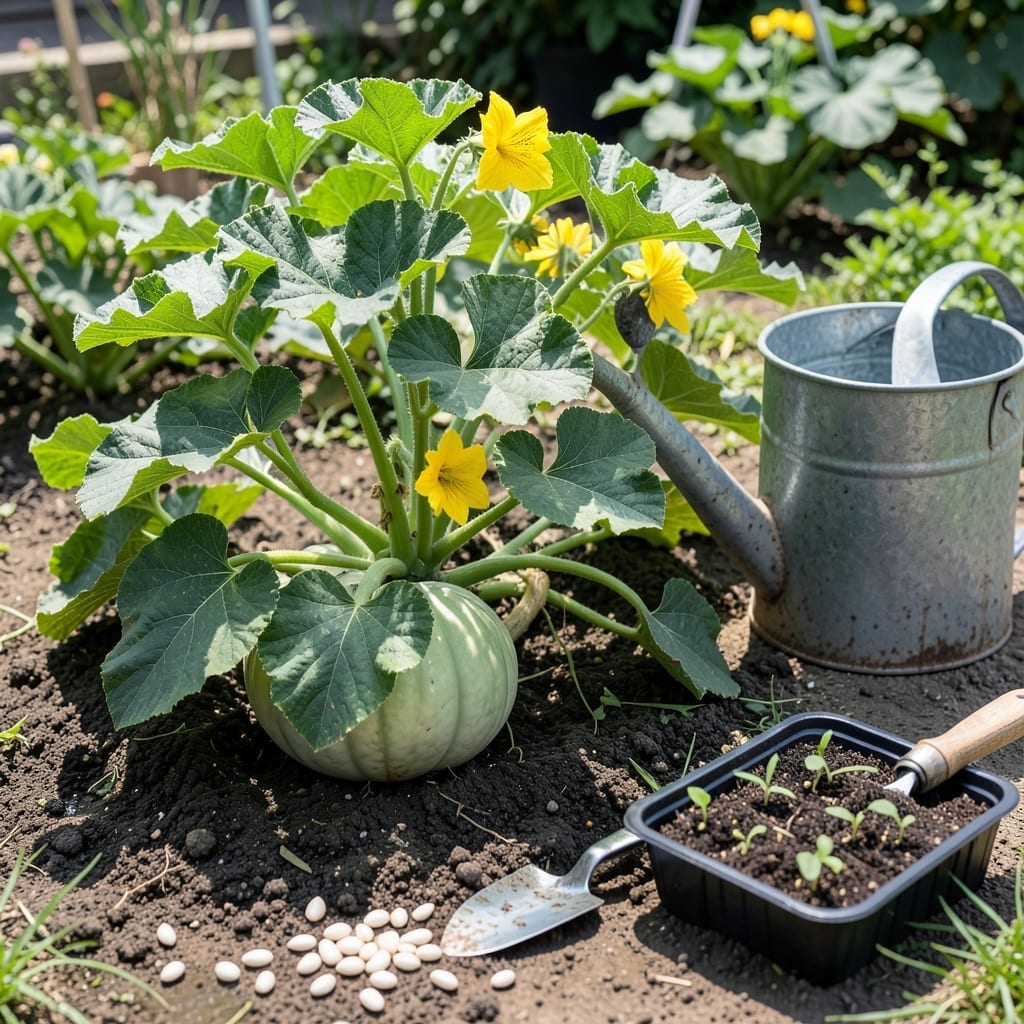
Waiting for your 🎃 pumpkin seeds to sprout can feel like watching paint dry. But here’s the good news: with the right conditions, you’ll see results faster than you think.
I remember my first attempt at growing pumpkins – the uncertainty was frustrating. Now I know that most seeds break through the soil in 5-10 days when given proper warmth and moisture.
Discover the exact timeline and factors that can speed up or delay your pumpkin seed germination. Let’s make this growing season your most successful yet.


When I first planted pumpkin seeds, I was surprised by how quickly they sprouted. Most varieties break through the soil in just 5-10 days under ideal conditions. The key is maintaining consistent warmth and moisture.
For best results, plant seeds when soil temperature reaches at least 60°F, though 70-90°F is optimal. I’ve found that soaking seeds overnight can give them a head start before planting. 🌱
| Stage | Timeframe | Key Conditions |
|---|---|---|
| Planting | Day 0 | 1″ depth, moist soil |
| Swelling | Days 1-3 | Warmth >70°F, consistent moisture |
| Sprouting | Days 5-10 | Well-draining soil, no crusting |
| First Leaves | Days 10-14 | Full sun, gentle watering |
During the first 3 days, the seed absorbs water and begins to swell. This is when proper soil moisture is most critical. I recommend using a spray bottle to keep the surface damp without disturbing the seeds.
By day 5, you should see the first signs of life as the seed sends up a shoot. The ideal temperature range of 70-90°F can cut this time in half compared to cooler soils. A heating mat can help in early spring.
If your pumpkin seeds haven’t sprouted by day 10, don’t panic. Some larger varieties like Atlantic Giant can take up to 14 days. Just ensure the soil hasn’t dried out or become waterlogged.
I’ve noticed that pre-soaking seeds for 12-24 hours can shave a day or two off the germination time. This works particularly well for older seeds that might be slower to start. 🌿
The planting depth matters too. Seeds planted too deep may take longer to emerge. I aim for 1 inch deep in well-worked soil. Any deeper and the seedlings struggle to reach the surface.
Remember that light exposure isn’t crucial until the seeds sprout. In fact, pumpkin seeds germinate best in darkness. Once they break through, move them to full sun immediately.
For the fastest results, I start seeds indoors 2-4 weeks before the last frost. This gives them a head start, especially in cooler climates where the soil takes longer to warm up.
Consistency is key throughout the process. I’ve had the best luck with daily checks for moisture and temperature, adjusting as needed to maintain those ideal conditions. ✂️
In my experience, the biggest variable in pumpkin seed germination is soil temperature. Seeds planted in 70-90°F soil can sprout in as little as 4-5 days, while cooler soils may take weeks.
I’ve learned that moisture levels are equally critical. Too dry and seeds won’t swell; too wet and they may rot. The sweet spot is consistently damp but not soggy soil. 🌱
I always check seed age before planting. Old seeds lose viability, taking longer to sprout. I test by floating seeds in water – sinkers are good, floaters may be duds.
Planting depth is often overlooked. At 1 inch deep, seeds get the right balance of warmth and moisture. Any deeper and they struggle to emerge, adding days to the process.
For light exposure, remember that pumpkin seeds don’t need light to germinate. In fact, they prefer darkness. Once sprouted, move them to full sun immediately for strong growth.
I’ve found that using a heating mat in early spring can create ideal conditions. It warms the soil to that perfect 70-90°F range, often cutting germination time in half. 🌿
Lastly, soil quality matters. Well-draining soil prevents waterlogging while retaining enough moisture. I always work in compost before planting for best results. ✂️