
Beautiful Plants For Your Interior
Beautiful Plants For Your Interior
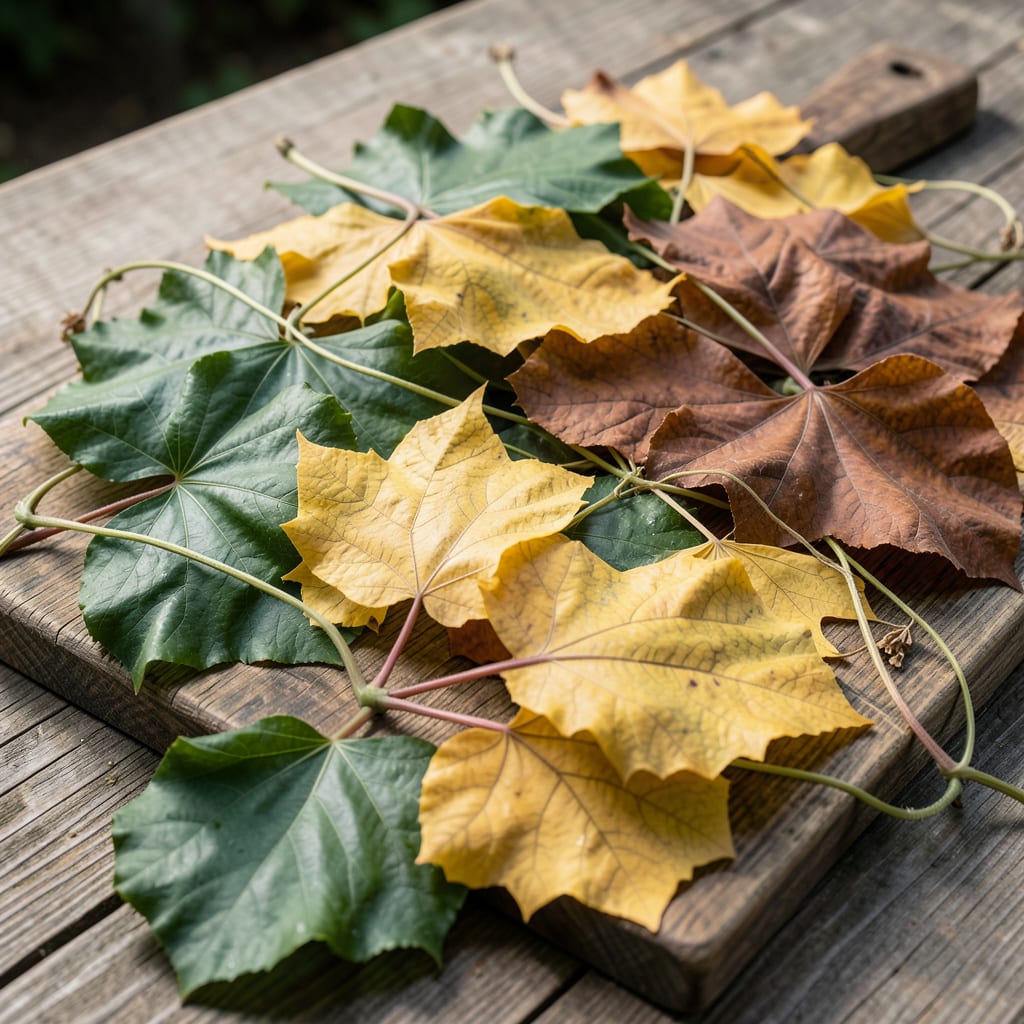
Yellow and brown pumpkin leaves hit different when it’s your first patch of the season. I’ve lost count of how many times I’ve stared at wilting vines wondering if it was my fault or just bad luck.
Turns out, it’s usually fixable. Most cases come down to 3 common culprits: water stress, pests munching underneath, or a fungus spreading fast. The good news? Each leaves a distinct clue if you know where to look.
You’ll spot the difference between drought edges and disease spots within 24 hours of close inspection. The fix often starts with adjusting your routine before reaching for sprays.
Works for backyard patches, raised beds, or container pumpkins. Here’s how to diagnose like a pro.
Pumpkin leaves turning yellow and brown can signal underlying issues that disrupt their health. Below are the most common causes, explained with actionable insights.
Lack of essential nutrients, particularly nitrogen, magnesium, or potassium, often triggers leaf discoloration. Nitrogen deficiency causes uniform yellowing (starting with older leaves), while magnesium deficiency leads to interveinal chlorosis (yellowing between veins). Potassium deficiency may cause brown edges on leaves. Test soil and amend with balanced fertilizers or organic compost.
Both overwatering and underwatering stress pumpkin plants. Overwatering suffocates roots, reducing oxygen uptake and causing yellowing. Underwatering leads to wilting and crisp, brown leaf margins. Ensure consistent moisture (1–2 inches of water weekly) and improve drainage with mulch or raised beds.
Sap-sucking pests like aphids, spider mites, or squash bugs drain plant fluids, causing yellow speckling or browning. Check leaf undersides for pests or webbing. Treat with neem oil or insecticidal soap, and encourage beneficial insects like ladybugs.
Pathogens such as powdery mildew (white powdery spots) or downy mildew (yellow patches with fuzzy undersides) thrive in humid conditions. Remove infected leaves, improve airflow, and apply copper-based fungicides preventatively.
Extreme heat, cold snaps, or excessive sun exposure can scorch leaves, turning them brown. Provide shade cloth during heatwaves and use row covers for unexpected frosts.
If your pumpkin leaves are turning yellow and brown, don’t panic—there are practical fixes for the most common causes. Below are targeted solutions, including prevention tips to keep your vines thriving.
Fix: Test your soil with a kit to identify missing nutrients. For nitrogen deficiency, apply a balanced fertilizer (10-10-10) or side-dress with compost. If magnesium is lacking, use Epsom salt (1 tablespoon per gallon of water) as a foliar spray. Yellowing between veins often signals iron deficiency—treat with chelated iron.
Prevention: Enrich soil with organic matter before planting. Rotate crops yearly to avoid depletion.
Fix: Let the top inch of soil dry out between waterings. If the soil is soggy, improve drainage by amending with sand or perlite. For container-grown pumpkins, ensure pots have drainage holes.
Prevention: Water at the base in the morning to reduce evaporation and fungal risks. Use drip irrigation for consistent moisture.
Fix: Inspect leaves for pests like aphids or squash bugs. Blast aphids off with water or apply insecticidal soap. For squash bugs, handpick adults and eggs (look for bronze clusters on undersides). Neem oil works for spider mites.
Prevention: Encourage beneficial insects (ladybugs, lacewings) with companion plants like marigolds. Use row covers early in the season.
Fix: Remove infected leaves immediately to prevent spread. For powdery mildew, spray with a mix of 1 teaspoon baking soda, 1 quart water, and a drop of dish soap. Copper fungicide helps with bacterial leaf spot.
Prevention: Space plants 3–4 feet apart for airflow. Avoid overhead watering, and clean up garden debris in fall.
Fix: Shield plants from extreme heat with shade cloth. If cold snaps are the issue, cover vines with frost blankets overnight.
Prevention: Plant after the last frost date and mulch around plants to regulate soil temperature.
Act quickly at the first sign of trouble, and your pumpkin leaves will return to their vibrant green in no time! ✨
Provide 1–2 inches of water weekly, allowing the top inch of soil to dry between waterings. This prevents both underwatering and overwatering stress.
Inspect leaf undersides for tiny insects or webbing. Aphids appear as small green or black dots, while squash bugs leave bronze egg clusters. Act fast with neem oil or insecticidal soap.
Leaves damaged by nutrients or stress won’t recover, but new growth will be healthy. Remove severely affected leaves to redirect energy to healthy ones.
