
Beautiful Plants For Your Interior
Beautiful Plants For Your Interior
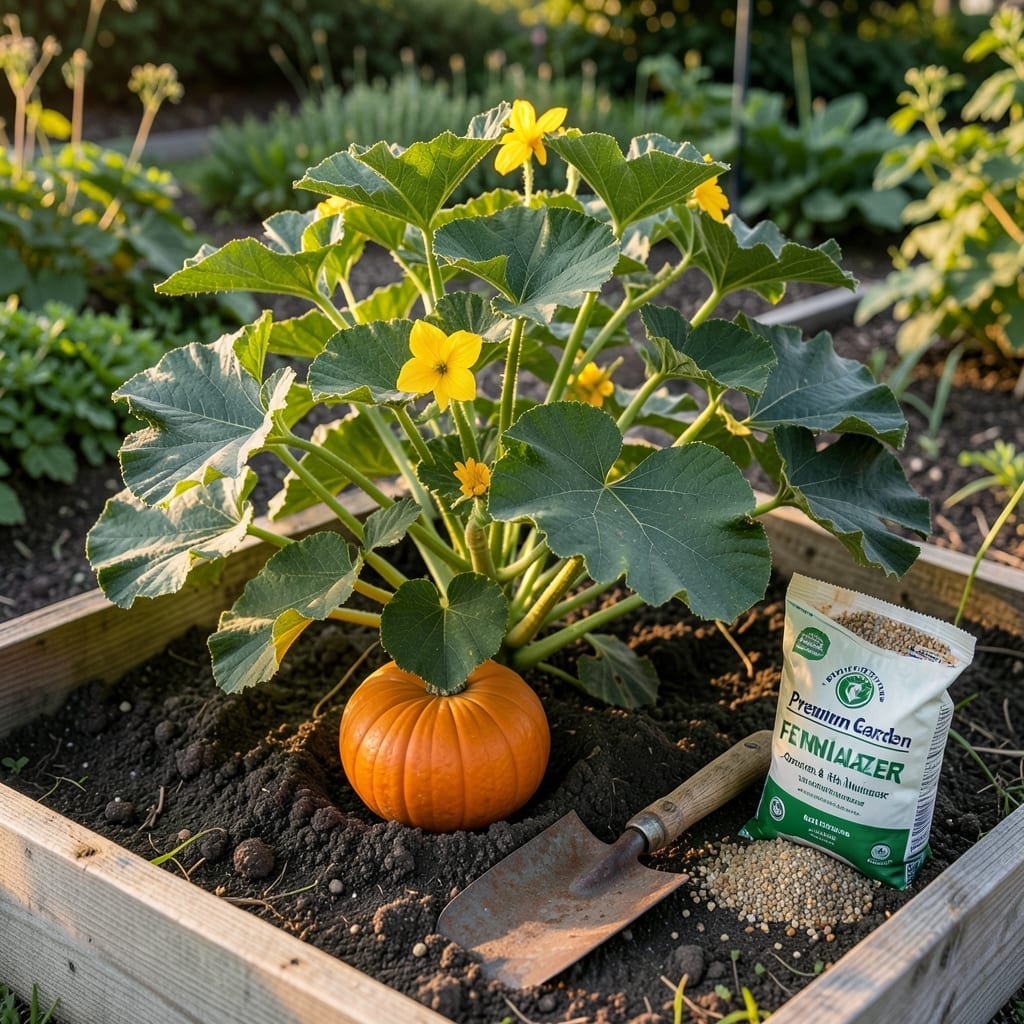
Growing giant, healthy 🎃 Pumpkin starts with understanding their unique fertilizer needs. Without the right nutrients at the right time, even the most carefully tended vines may struggle to produce impressive fruit.
I’ve seen too many gardeners pour effort into their plants only to be disappointed by small, underdeveloped results. The difference often comes down to what you’re feeding your soil and when.
Whether you’re aiming for prize-winning size or just a bountiful harvest, the right approach can transform your patch. Let me show you exactly how to give your Pumpkin the best start.
From seedling to harvest, we’ll cover the essential nutrients and timing that make all the difference. Your future self will thank you when those vines start producing.
Pumpkins are heavy feeders that need the right nutrient balance at each growth stage. Early on, they crave nitrogen for vine growth, but too much later can reduce fruit production. I’ve seen many gardeners struggle with this balance.
As the vines spread and flowers appear, phosphorus becomes critical for fruit development. Potassium also plays a key role in disease resistance and overall plant health. Micronutrients like calcium and magnesium prevent common issues like blossom end rot.
| Growth Stage | Key Nutrients | Purpose |
|---|---|---|
| Seedling | High nitrogen | Promotes vine growth |
| Flowering | Phosphorus | Boosts flower production |
| Fruiting | Potassium + Calcium | Supports fruit development |
| Maturation | Balanced NPK | Maintains plant health |
During the seedling stage, I recommend a 10-10-10 fertilizer to establish strong vines. This balanced mix gives the young plants all three major nutrients. Be sure to water deeply after applying to help the roots absorb the nutrients.
When flowers start forming, switch to a 5-10-10 formula. The higher phosphorus content encourages more blooms, which means more potential pumpkins. I’ve noticed this switch makes a big difference in fruit set.
Once pumpkins begin to grow, reduce nitrogen and focus on phosphorus and potassium. A 3-8-10 fertilizer works well here. This shift helps the plant direct energy toward fruit enlargement rather than leafy growth.
Don’t forget calcium and magnesium. These micronutrients are often overlooked but are vital. I add crushed eggshells or Epsom salts to my soil to prevent deficiencies. Blossom end rot is a common sign of calcium deficiency.
For organic gardeners, compost and well-rotted manure are excellent slow-release options. They provide a broad spectrum of nutrients and improve soil structure. I mix in compost tea every few weeks for an extra boost.
Remember, soil testing is your best tool. It reveals exactly what your soil lacks. I test mine every spring before planting. This way, I can tailor my fertilizer to my pumpkins’ specific needs.
Finally, always follow package instructions for application rates. Over-fertilizing can burn roots and harm your plants. I’ve learned this the hard way—less is often more when it comes to feeding pumpkins.
🌱Choosing between organic and synthetic fertilizers for pumpkins depends on your gardening goals. I prefer organic options for their soil-building benefits and long-term sustainability, but synthetics offer quick nutrient availability for rapid growth.
Organic choices like compost, aged manure, and fish emulsion release nutrients slowly, improving soil structure over time. Synthetics, such as 10-10-10 or 5-10-10 blends, provide immediate nutrition but may require more frequent application.
For my pumpkin patch, I use a combination approach. I start with a rich compost base at planting, then supplement with a balanced synthetic fertilizer every 4-6 weeks during the growing season.
Remember that pumpkins are heavy feeders, especially during fruit development. A high-phosphorus fertilizer like 5-10-10 supports strong root and fruit growth. Always water deeply after applying to prevent root burn.
If you notice yellowing leaves or stunted growth, it might indicate a nutrient deficiency. Test your soil and adjust your fertilizer approach accordingly.
Whether you choose organic or synthetic, the key is consistent feeding throughout the growing season. With the right approach, you’ll see vibrant vines and plump pumpkins by harvest time. 🌱