
Beautiful Plants For Your Interior
Beautiful Plants For Your Interior
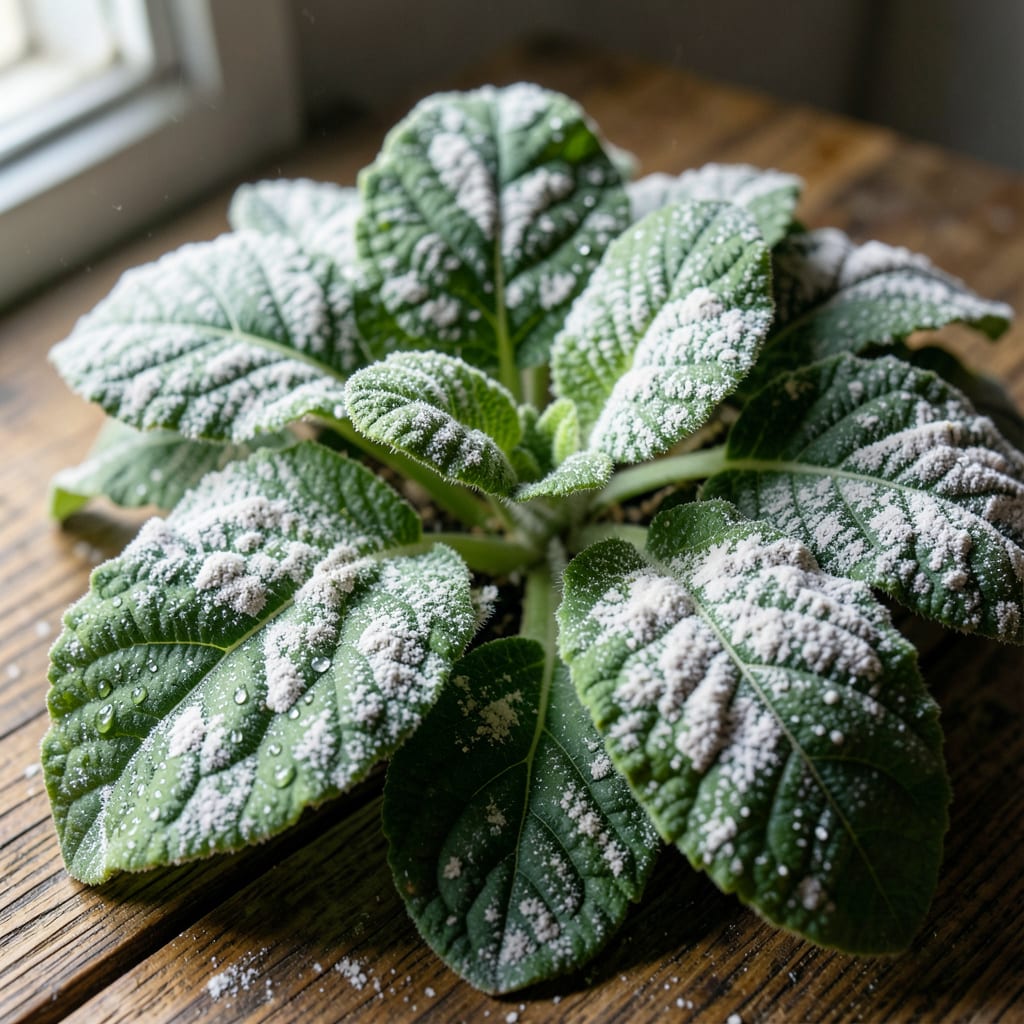
White spots on your plants aren’t dust—it’s a fungus spreading fast. I’ve lost entire rose bushes to this before learning the early signs and 24-hour solutions.
Powdery mildew thrives in damp, shaded spots but hits even drought-tolerant plants. The good news? It’s treatable without harsh chemicals. A simple spray of baking soda and water often stops it cold.
Catch it early and your plants bounce back within a week. Left untreated, it stunts growth and ruins harvests. Prevention is easier than you think—just better airflow and morning watering.
Works on squash, roses, and most ornamentals. Here’s how to save your garden before it’s too late.
Powdery mold thrives when environmental conditions favor its growth. Understanding the root causes helps you prevent and manage this common plant disease effectively.
This fungus flourishes in high humidity (60-80%) combined with stagnant air. When moisture lingers on plant surfaces without proper ventilation, spores germinate rapidly. Crowded plantings or indoor setups without airflow create ideal breeding grounds.
Watering from above leaves foliage wet for extended periods, especially in evening hours when evaporation slows. Erysiphe and Podosphaera spores (common powdery mold genera) only need free water for 2-6 hours to infect plants.
While powdery mold prefers 70-80°F (21-27°C), sudden temperature swings (like cool nights following warm days) stress plants and reduce their natural defenses. This stress creates entry points for spores.
Some plants are genetically more vulnerable, including:
New growth on these species often shows symptoms first due to thinner cuticles.
Plants in deep shade stay damp longer and have weaker cell structures. Sunlight not only dries foliage but also triggers plant defense mechanisms like salicylic acid production, which inhibits fungal growth.
Powdery mold can be stubborn, but these targeted fixes will help you reclaim your plants’ health. Address the root cause first, then apply the right remedy.
Stagnant air traps moisture and encourages spores. Fix: Space plants apart to allow airflow, and use a small fan on low to keep air moving. Outdoors, thin dense foliage to reduce humidity buildup. Prevention tip: 💡 Prune regularly and avoid overcrowding in gardens or indoor setups.
Wet leaves and soggy soil create a mold paradise. Fix: Water at the base of plants early in the day so foliage dries quickly. Switch to drip irrigation if possible. For potted plants, ensure pots have drainage holes. Prevention tip: 🌡️ Use a moisture meter to avoid overwatering, and aim for humidity below 60%.
Isolated spots can spread fast. Fix: For light cases, wipe leaves with a mixture of 1 teaspoon baking soda and 1 quart of water, plus a drop of dish soap. For severe infections, remove and destroy affected leaves or entire plants (don’t compost them!). Prevention tip: ✨ Inspect plants weekly, especially undersides of leaves, and act at the first sign of white powder.
Shady, damp areas are mold magnets. Fix: Move potted plants to sunnier spots or supplement with grow lights. Outdoors, trim nearby trees or bushes blocking sunlight. Prevention tip: 🎯 Rotate indoor plants regularly for even light distribution.
For persistent problems, use a fungicide. Fix: Opt for organic options like neem oil or sulfur-based sprays. Apply in the evening to avoid leaf burn, and reapply after rain. Prevention tip: 🔥 Alternate fungicides to prevent resistance, and always follow label instructions.
It starts as small white spots, almost like dust, on the upper surfaces of leaves. These spots quickly spread into a powdery coating that covers entire leaves and stems if untreated.
Recurrence happens if the root causes (high humidity, poor airflow, or wet foliage) aren’t fixed. Even after treatment, spores can linger and reinfect plants under the same conditions.
Yes! A mix of 1 teaspoon baking soda and 1 quart water with a drop of dish soap works well for mild cases. Spray it on affected leaves weekly until the issue resolves.
Cucumbers, squash, roses, and apples are highly susceptible. New growth on these plants often shows symptoms first because their thinner cuticles offer less protection.
