
Beautiful Plants For Your Interior
Beautiful Plants For Your Interior
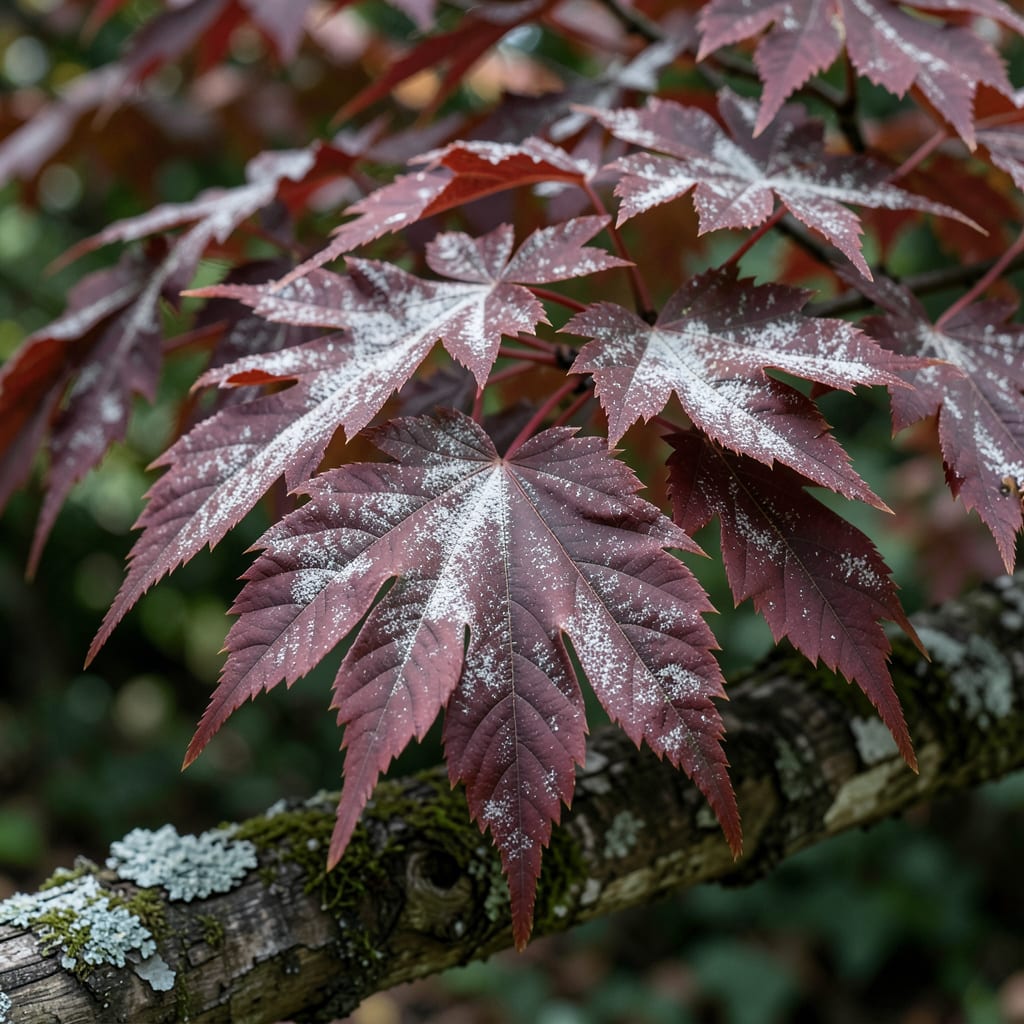
That white dust on your Japanese maple leaves isn’t just unsightly—it’s stealing your tree’s vigor. I first spotted it on mine after a wet spring, thinking it was just dust until the leaves started curling and dropping.
The culprit is usually poor air circulation or high humidity, creating the perfect environment for powdery mildew to take hold. Left untreated, it spreads faster than you’d expect, turning your tree’s beautiful foliage into a sickly mess.
Here’s the thing—this isn’t a death sentence. With the right approach, you can stop the spread and restore your maple’s health. I’ve tested both organic and chemical solutions, and some work better than others.
By the end, you’ll have a clear plan to identify, treat, and prevent this issue from coming back next season.
Powdery mildew on Japanese maples thrives under specific environmental and cultural conditions. Understanding these triggers helps prevent and manage outbreaks effectively.
The fungus Erysiphe alphitoides (common in maples) spreads rapidly in 60-80% humidity with stagnant air. Dense canopies or crowded plantings trap moisture, creating ideal conditions for spores to germinate. Prune nearby foliage to improve circulation.
Temperature swings between 60–80°F (15–27°C) accelerate spore production. Japanese maples in shaded areas with dappled sunlight are especially vulnerable, as cool, damp nights follow warm days.
Wet foliage from sprinklers or rain provides the moisture spores need to infect leaves. Water at the base of the tree early in the day to allow foliage to dry quickly.
Excess nitrogen from heavy feeding promotes lush, soft growth—a prime target for powdery mildew. Use a balanced, slow-release fertilizer and avoid late-season applications that encourage tender new shoots.
Powdery mildew on your Japanese maple can be frustrating, but don’t worry—these solutions are simple and effective. Tackle the issue as soon as you spot it to keep your tree healthy and vibrant. Here’s how to fix it, step by step:
Powdery mildew thrives in crowded, stagnant conditions. Thin out dense branches with pruning shears (sterilize with rubbing alcohol between cuts!) to let air flow freely. Space potted maples at least 3–4 feet apart to reduce humidity buildup. Pro tip: 💡 Prune on dry days to avoid spreading spores.
Wet leaves are a playground for mildew. Water at the base of the tree using a soaker hose or drip system to keep foliage dry. Water early in the morning so any accidental splashes evaporate quickly. Bonus: ✨ Mulch around the base to retain moisture without wetting leaves.
For mild cases, spray leaves with a mix of 1 part milk to 9 parts water weekly—milk’s proteins disrupt fungal growth. For tougher infections, use neem oil (mix 2 tbsp per gallon of water) or baking soda solution (1 tsp baking soda + 1 quart water + a few drops of dish soap). Always test on a small area first! 🎯
Severe cases? Opt for a copper-based fungicide, but follow label instructions carefully to avoid damaging delicate maple leaves.
Yes, powdery mildew spores can travel on wind or water. Keep infected maples isolated and avoid overhead watering to prevent spreading to nearby plants.
Remove heavily infected leaves, improve air circulation, and apply copper fungicide as directed. Most recover with consistent treatment.
Apply neem oil every 7-10 days until symptoms disappear, then continue monthly as prevention. Always spray in the evening to avoid leaf burn.
