
Beautiful Plants For Your Interior
Beautiful Plants For Your Interior
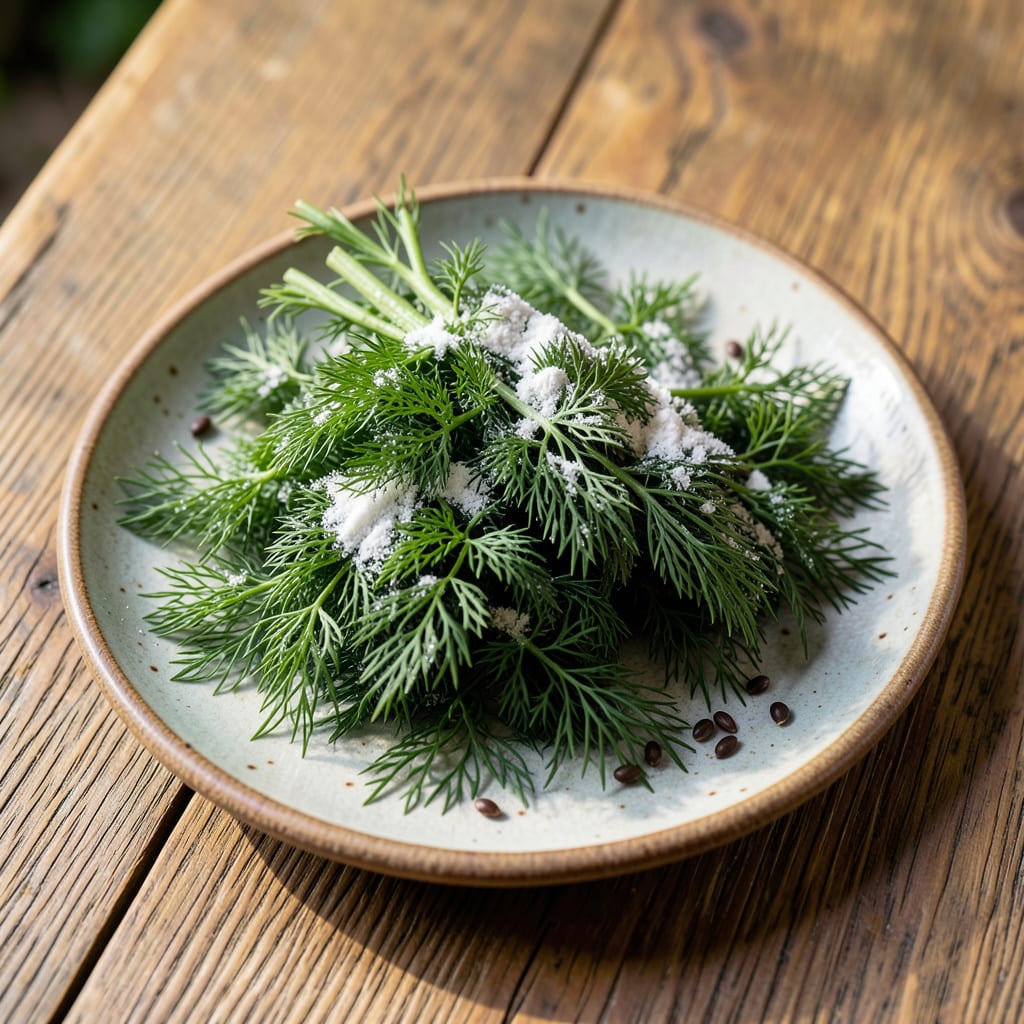
White dust on your dill leaves isn’t just unsightly—it’s powdery mildew stealing your plant’s vigor. I’ve lost entire patches to this before learning the simple fixes that actually work.
Here’s the thing—this fungus thrives in humid, crowded conditions. A little airflow and the right spray can turn things around in 48 hours. No harsh chemicals needed.
You’ll see fresh, healthy growth returning within a week. The key is consistency: treat early, repeat often, and adjust your watering habits to prevent it from coming back.
Works for container dill, garden beds, or even windowsill herbs. Let’s clear it up for good.
Powdery mildew on dill thrives under specific environmental conditions and cultural practices. Understanding these triggers helps you prevent and manage the issue effectively. Below are the primary causes:
The fungus Podosphaera xanthii, a common culprit for powdery mildew, flourishes in humid environments (60–80% relative humidity) with stagnant air. Dill plants spaced too closely or grown in shaded, poorly ventilated areas trap moisture, creating ideal conditions for spores to germinate and spread.
Watering dill from above leaves foliage damp for extended periods, especially in the evening. This prolonged leaf wetness accelerates fungal spore growth. Drip irrigation or soaker hoses at the soil level are safer alternatives to keep foliage dry.
Dense plantings restrict airflow, increasing humidity around leaves. Dill needs 12–18 inches of spacing between plants to ensure proper ventilation. Thinning seedlings early reduces competition and lowers disease risk.
Some dill cultivars lack genetic resistance to powdery mildew. If your garden has a history of this issue, opt for resistant varieties or rotate crops to disrupt the fungus’s life cycle.
Excess nitrogen promotes lush, tender growth that’s more vulnerable to infection. Balanced fertilization (e.g., 5-10-10 NPK) strengthens plant cell walls, making dill less hospitable to fungal spores. Avoid over-fertilizing with high-nitrogen blends.
Powdery mildew on dill can be frustrating, but these practical solutions will help you treat the issue and prevent future outbreaks. Tackle the problem based on its cause for the best results.
Dense plantings trap moisture, creating a perfect environment for mildew. Fix it: Thin out crowded dill plants to allow airflow. Space them at least 12–18 inches apart. If growing in containers, move them to a breezier spot. For indoor herbs, use a small fan on low to keep air moving.
Prevention tip: 💡 Avoid overhead watering to reduce humidity around the leaves.
Wet leaves invite fungal spores. Fix it: Water at the base of the plant early in the day so foliage dries quickly. Switch to drip irrigation or a soaker hose if possible. If mildew is already present, hold off on watering until the top inch of soil is dry.
Prevention tip: 🌡️ Mulch with straw to prevent soil splash, which can spread spores.
Weak or over-fertilized plants are more susceptible. Fix it: Test your soil—dill prefers well-draining, moderately fertile soil. Avoid high-nitrogen fertilizers, which encourage lush but weak growth. Instead, use a balanced organic fertilizer or compost tea to strengthen plants naturally.
Prevention tip: ✨ Rotate crops yearly to prevent soil-borne diseases.
Dill thrives in full sun (6+ hours daily). Fix it: Relocate potted dill to a sunnier spot or prune nearby plants casting shade. If humidity is high (common in greenhouses), use a dehumidifier or increase ventilation.
Prevention tip: 🎯 Plant dill in raised beds to improve drainage and airflow.
For active infections, try these safe, effective sprays:
Pro tip: 💡 Always test sprays on a small area first and apply in the early morning or late evening.
It’s best to avoid eating affected leaves. While not toxic, the fungus can alter flavor and texture. Wash thoroughly and use only healthy-looking foliage for cooking.
Yes, spores travel easily by wind or water. Isolate infected dill immediately and avoid working with plants when foliage is wet to prevent spreading.
For baking soda or neem oil, spray every 7-10 days or after rain. Apply in the evening for best results and always cover both sides of leaves.
