
Beautiful Plants For Your Interior
Beautiful Plants For Your Interior
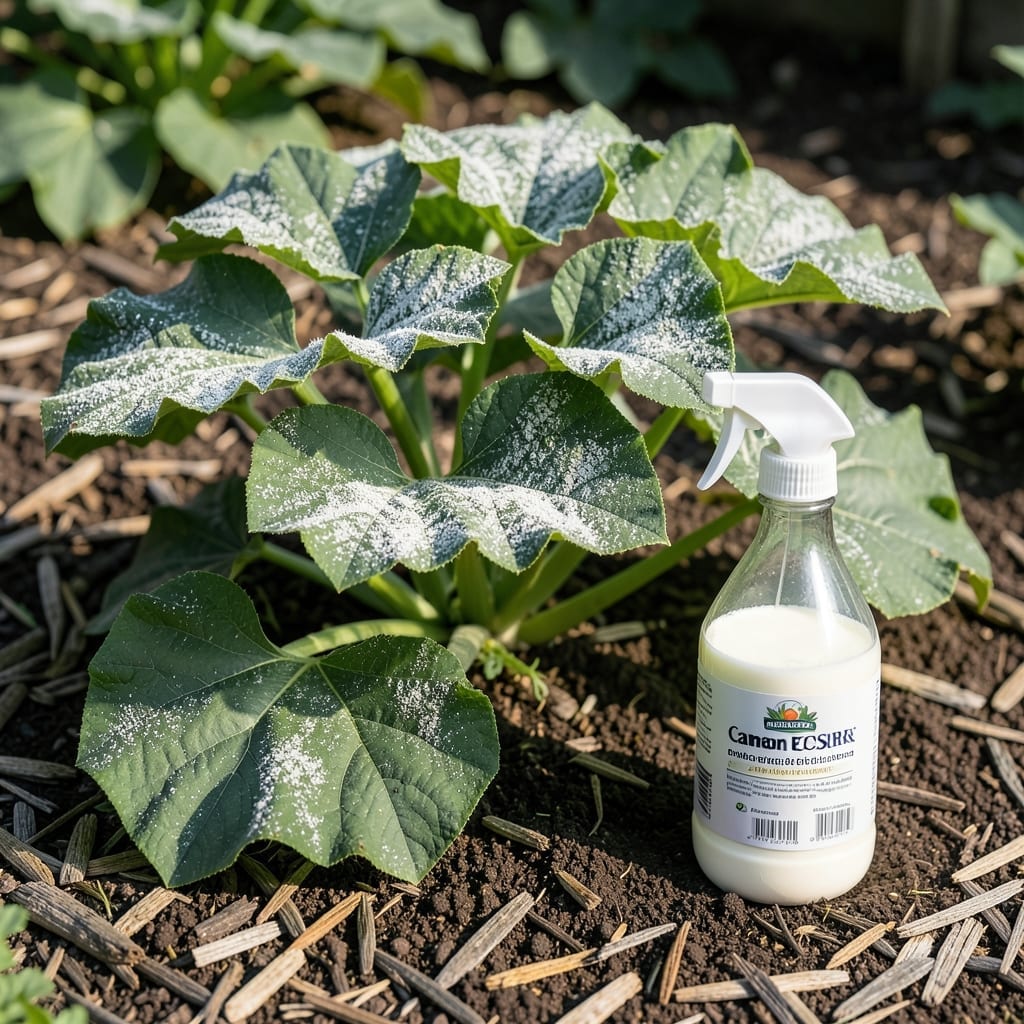
That white powder on your leaves isn’t frost—it’s trouble. I first spotted powdery mildew on my zucchini three seasons ago and nearly lost the whole crop before discovering this simple fix.
Milk works as a natural fungicide because its proteins create an inhospitable environment for the fungus. A weekly spray of diluted milk stopped the spread completely on my squash, cucumbers, and roses within 10 days.
Prevention is easier than cure: space plants for airflow, water at the base, and remove affected leaves immediately. But when it appears, this treatment is your best defense against unsightly damage.
The solution costs pennies, uses what you already have, and protects without harsh chemicals. Works on most vegetables, fruits, and ornamentals.
Powdery mildew thrives under specific environmental and biological conditions. Understanding these triggers can help you prevent outbreaks before they start. Below are the primary causes behind this stubborn fungal disease.
This fungus flourishes in dry leaf surfaces paired with high humidity (60–80%). Unlike many fungi, powdery mildew doesn’t need water to germinate—just moist air. Crowded plants or dense canopies trap humidity, creating the perfect breeding ground. Action: Space plants properly and prune for airflow.
Temperature swings (60–80°F/15–27°C) accelerate spore production. Warm days encourage growth, while cool, dewy nights provide the moisture spores need to spread. Action: Avoid overhead watering in the evening to reduce leaf surface moisture.
Some plants, like cucumbers, zucchini, roses, and squash, are genetically prone to powdery mildew. Their leaf structures or biochemical makeup make them easier targets. Action: Opt for resistant cultivars (e.g., “Powdery Mildew Resistant” labeled seeds).
Wetting foliage, especially at night, extends the period leaves stay damp. While powdery mildew doesn’t require free water to infect, prolonged dampness weakens plant defenses. Action: Use drip irrigation or water at the base early in the day.
Excess nitrogen promotes lush, soft growth that’s more vulnerable to infection. Conversely, low potassium or phosphorus weakens plant cell walls. Action: Balance fertilizer ratios (e.g., 5-10-10) and avoid over-fertilizing with nitrogen.
Powdery mildew can quickly take over your garden, but a simple milk spray is an effective, natural solution. Here’s how to tackle it based on the cause:
Mix 1 part whole milk with 9 parts water in a spray bottle. Apply directly to affected leaves early in the morning or on cloudy days to avoid leaf burn. The proteins in milk disrupt fungal growth. Reapply every 7–10 days or after rain.
Trim dense foliage to improve airflow, as stagnant air fosters mildew. Space plants 18–24 inches apart (or per variety guidelines). Combine with milk sprays for prevention.
💡 Pro Tip: Water at the base of plants to keep leaves dry and reduce humidity.
Overhead watering and evening irrigation create damp conditions mildew loves. Switch to drip irrigation or soaker hoses, and water before noon so foliage dries fast. Pair with weekly milk sprays in humid climates.
Stressed plants are more vulnerable. Strengthen them with compost tea or balanced organic fertilizer. Healthy plants fend off mildew better and respond faster to milk treatments.
Prevention
Whole milk works best due to its higher protein content. Skim or low-fat milk can work but may be less effective. Avoid plant-based milks as they lack the necessary proteins.
Apply every 7–10 days as a preventive measure. For active infections, spray every 5 days until the issue resolves. Reapply after rain.
Yes, it’s safe for most vegetables, fruits, and ornamentals. Test on a small area first for sensitive plants. Avoid using on very young seedlings.
The proteins in milk create a hostile environment for the fungus when exposed to sunlight. This disrupts fungal growth without harming plants.