
Beautiful Plants For Your Interior
Beautiful Plants For Your Interior
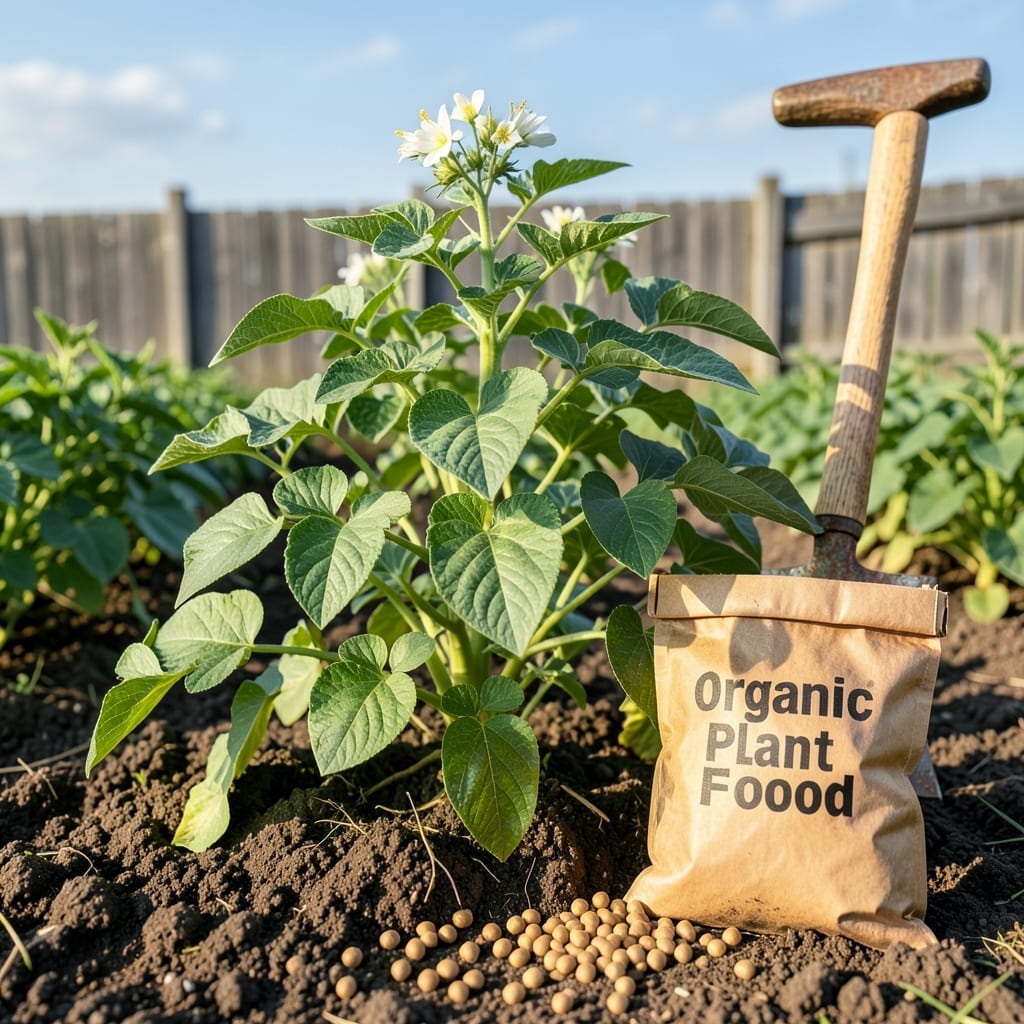
Growing bigger potatoes isn’t just about planting and hoping for the best. It starts with understanding their unique fertilizer needs.
Without the right nutrients, your 🥔 potato plants may struggle, producing lackluster tubers instead of the abundant harvest you want.
I’ve learned that potatoes are heavy feeders, and getting the balance right is the key to success. Whether you’re new to gardening or a seasoned pro, nailing the fertilizer requirements makes all the difference.
Let me walk you through what your potatoes truly need to thrive and how to apply it for maximum yield.
Potatoes are heavy feeders that thrive when given the right nutrient balance. The three macronutrients—nitrogen, phosphorus, and potassium—play distinct roles in their growth cycle. Each is essential for tuber development and overall plant health. 🌱
I’ve found that nitrogen fuels leafy growth, but too much can lead to small tubers. Meanwhile, phosphorus promotes root and tuber formation, which is critical for a strong harvest. Potassium helps with disease resistance and overall vigor. 🌿
| Nutrient | Role | Deficiency Signs |
|---|---|---|
| Nitrogen (N) | Leaf and stem growth | Yellow leaves, stunted growth |
| Phosphorus (P) | Root and tuber development | Purple stems, slow growth |
| Potassium (K) | Disease resistance, water regulation | Brown leaf edges, weak stems |
| Magnesium | Chlorophyll production | Yellowing between leaf veins |
In my experience, micronutrients like magnesium and boron are often overlooked. Magnesium aids in photosynthesis, while boron supports cell wall formation. Without them, potatoes may struggle to reach their full potential. ✂️
Potatoes prefer a balanced N-P-K ratio of about 5-10-10. This ensures they get enough phosphorus for tubers while maintaining healthy foliage. I recommend testing your soil first to identify any nutrient deficiencies.
Soil pH also matters—a range of 5.0 to 6.5 is ideal. If your soil is too acidic or alkaline, nutrient uptake can be hindered. Lime or sulfur can help adjust the pH as needed. 🌡️
I’ve noticed that sandy soils often lack organic matter, which can lead to nutrient leaching. Adding compost or well-rotted manure before planting helps retain moisture and nutrients. This also improves soil structure for better root growth.
For the best results, I side-dress potatoes with a balanced fertilizer when the plants are about 6 inches tall. This gives them a nutrient boost just as they start forming tubers. Always water after applying fertilizer to help it reach the roots.
Avoid over-fertilizing, as this can lead to excessive foliage at the expense of tubers. Stick to the recommended rates and monitor your plants for signs of nutrient deficiencies or excesses. 💧
Choosing the right fertilizer for potatoes can feel overwhelming, but I’ve found that organic options like compost or well-rotted manure work wonders for improving soil structure and providing slow-release nutrients.
For a more targeted approach, balanced synthetic fertilizers with a 5-10-10 NPK ratio are ideal for promoting strong root and tuber development.
| Fertilizer Type | Best For | Application Timing |
|---|---|---|
| Organic Compost | Soil health | Pre-planting |
| 5-10-10 Synthetic | Tuber growth | Planting, side-dress |
| Fish Emulsion | Quick nutrient boost | Mid-season |
| Bone Meal | Phosphorus boost | Planting time |
Timing is everything when fertilizing potatoes. I always apply fertilizer at planting to kickstart growth, then follow up with a side-dressing when the plants are about 6 inches tall.
For sandy soils, slow-release fertilizers help prevent nutrient leaching, while clay soils benefit from liquid feeds that plants can absorb quickly.
If you’re growing in containers, remember that potted potatoes need more frequent feeding—about every 2-3 weeks—since nutrients wash out faster with watering.
Finally, always water your plants after fertilizing to help distribute nutrients and prevent root burn. This simple step can make a big difference in how well your potatoes respond to feeding.
With these tips, you’ll be well on your way to a bumper crop of healthy, robust potatoes 🌱