
Beautiful Plants For Your Interior
Beautiful Plants For Your Interior
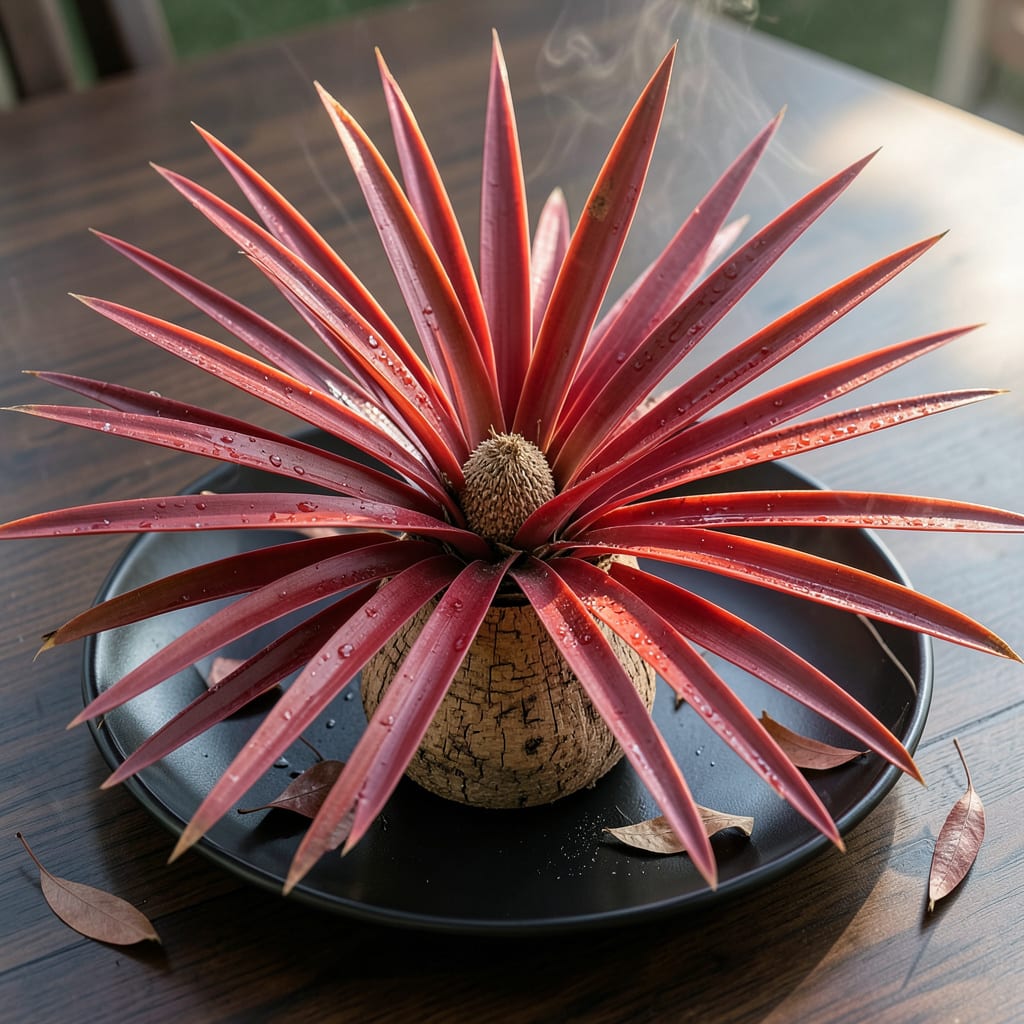
Red leaves on your ponytail palm aren’t just ugly—they’re a cry for help. I’ve seen this happen to dozens of plants, and the fix is usually simpler than you think.
Most cases come down to 3 common mistakes: too much water, not enough light, or a nutrient imbalance. The good news? Your plant can bounce back fast once you correct the issue.
You’ll notice the change within 2-3 weeks of adjusting your care routine. Leaves return to their deep green color, and new growth comes in healthy.
Start with the roots—check for rot, then work your way up to light and food. Here’s how to diagnose it properly.
Red leaves on a ponytail palm (Beaucarnea recurvata) are a visual distress signal, often tied to environmental or cultural stressors. Below are the most common causes, explained with actionable insights.
Ponytail palms store water in their swollen trunks, making them highly susceptible to root rot when overwatered. Soggy soil restricts oxygen to the roots, leading to nutrient uptake failure. As roots die, the plant can’t absorb magnesium or iron, causing chlorosis (yellowing) with red or purple tinges in leaves. Fix it: Let the soil dry completely between waterings, and use a well-draining cactus/succulent mix.
Exposure to cold drafts (below 50°F/10°C) or sudden temperature drops can trigger leaf reddening as the plant’s cells produce protective anthocyanin pigments. Similarly, heat stress (above 90°F/32°C) accelerates water loss, leading to leaf scorching. Fix it: Keep your plant in a stable environment (65–80°F/18–27°C) and away from AC vents or heaters.
While ponytail palms thrive in bright light, intense direct sun (especially afternoon rays) can cause photoinhibition. This damages chlorophyll, revealing red pigments (like carotenoids) that were previously masked. Leaves may also develop brown, crispy edges. Fix it: Provide bright, indirect light or acclimate the plant gradually to full sun.
A lack of magnesium or phosphorus often manifests as red or purple discoloration in older leaves. Magnesium is mobile, so the plant redirects it to new growth, leaving mature leaves starved. Phosphorus deficiency, meanwhile, stunts growth and darkens foliage. Fix it: Use a balanced, diluted fertilizer (e.g., 10-10-10) every 4–6 weeks during growing season.
When your ponytail palm starts flaunting red leaves, it’s usually a cry for help—but the good news is, most causes are fixable. Below are practical solutions mapped to common triggers, plus prevention tips to keep your plant thriving.
Fix: Stop watering immediately and let the soil dry out completely. If the pot lacks drainage holes, repot your plant into a well-draining container with cactus or succulent mix. Trim any mushy, reddened roots to prevent rot.
Prevention: Water only when the top 2-3 inches of soil are dry. Use a pot with drainage holes and avoid saucers that trap water.
Fix: Give your plant a deep soak until water runs out the drainage holes. Mist the leaves lightly or place a humidity tray nearby to combat dry air, especially in winter.
Prevention: Check soil moisture weekly. Grouping plants together can naturally boost humidity.
Fix: Move your ponytail palm to a spot with bright, indirect light. If the leaves are severely scorched, trim them to redirect energy to healthier growth.
Prevention: Gradually acclimate the plant to brighter light over several weeks. Use sheer curtains to filter intense rays.
Fix: Feed your plant with a balanced, diluted liquid fertilizer (10-10-10 or 20-20-20) every 4-6 weeks during the growing season. Red leaves may indicate a lack of magnesium or potassium.
Prevention: Use a slow-release fertilizer in spring and avoid over-fertilizing, which can burn roots.
💡 Pro Tip: Always use room-temperature water to avoid shocking the roots, and wipe leaves occasionally to remove dust and improve photosynthesis.
No, once leaves turn red, they won’t revert to green. Focus on correcting the underlying issue to prevent new leaves from changing color.
Water only when the top 2-3 inches of soil are completely dry. This usually means every 3-4 weeks, depending on humidity and light.
Use a balanced liquid fertilizer like 10-10-10 or 20-20-20, diluted to half strength. Apply every 4-6 weeks during the growing season.
Yes, trim severely discolored leaves to redirect energy to healthy growth. Use clean pruning shears and cut at the base.
