
Beautiful Plants For Your Interior
Beautiful Plants For Your Interior
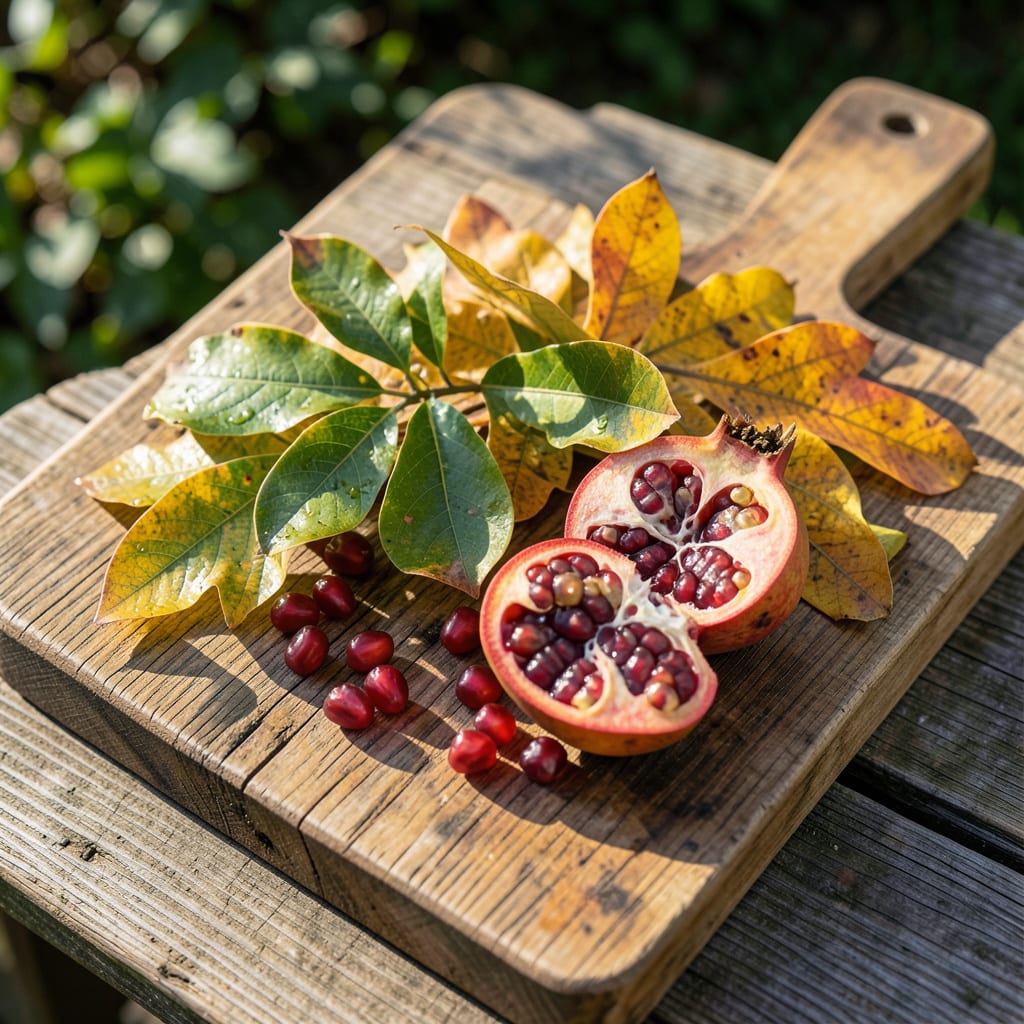
Yellow pomegranate leaves don’t mean your plant is doomed. I’ve nursed dozens back from the brink by first figuring out the root cause—too much water, not enough food, or sneaky pests.
Most cases come down to 3 common issues: soggy roots from overwatering, nitrogen deficiency showing up as pale leaves, or spider mites sucking the life out of them. The fix always starts with checking the soil.
Once you identify the problem, solutions are simple. Adjust your watering, add the right fertilizer, or treat for pests. Your plant can bounce back faster than you think.
Works for potted plants, young trees, or established specimens. Here’s how to diagnose it right the first time.
Yellowing leaves on pomegranate trees often signal underlying issues. Here are the most common causes:
Lack of essential nutrients like nitrogen, iron, or magnesium can cause chlorosis (yellowing). Nitrogen deficiency starts in older leaves, while iron deficiency appears in younger ones. Test soil pH—alkaline soils (pH > 7.5) may block iron uptake. Fix with chelated iron or organic compost.
Excess water suffocates roots, reducing oxygen uptake and nutrient absorption. Signs include yellowing leaves with wilting despite wet soil. Ensure well-draining soil and reduce watering frequency. Pomegranates prefer dry conditions over soggy roots.
Pathogens like Alternaria or Cercospora cause yellow spots or patches. These thrive in humid conditions. Apply copper-based fungicides and prune affected foliage to improve airflow.
Extreme heat, frost, or sudden temperature swings stress the plant, leading to yellowing. Protect trees with mulch or shade cloth during heatwaves. Frost damage requires pruning dead growth to encourage new, healthy leaves.
Once you’ve identified the cause, these targeted fixes will help restore your pomegranate tree’s vibrant green foliage. Act quickly to prevent further stress and promote recovery.
Water only when the top 2 inches of soil are dry. Overwatering is a common cause, so let the soil dry out between waterings. Use a moisture meter to avoid guesswork.
Once leaves turn yellow, they typically won’t regain their green color. Focus on fixing the underlying issue to prevent new leaves from yellowing. Healthy growth will replace the damaged foliage.
A balanced 10-10-10 slow-release fertilizer helps with nitrogen shortages. For iron or magnesium, use chelated iron or Epsom salt (1 tablespoon per gallon of water).
