
Beautiful Plants For Your Interior
Beautiful Plants For Your Interior
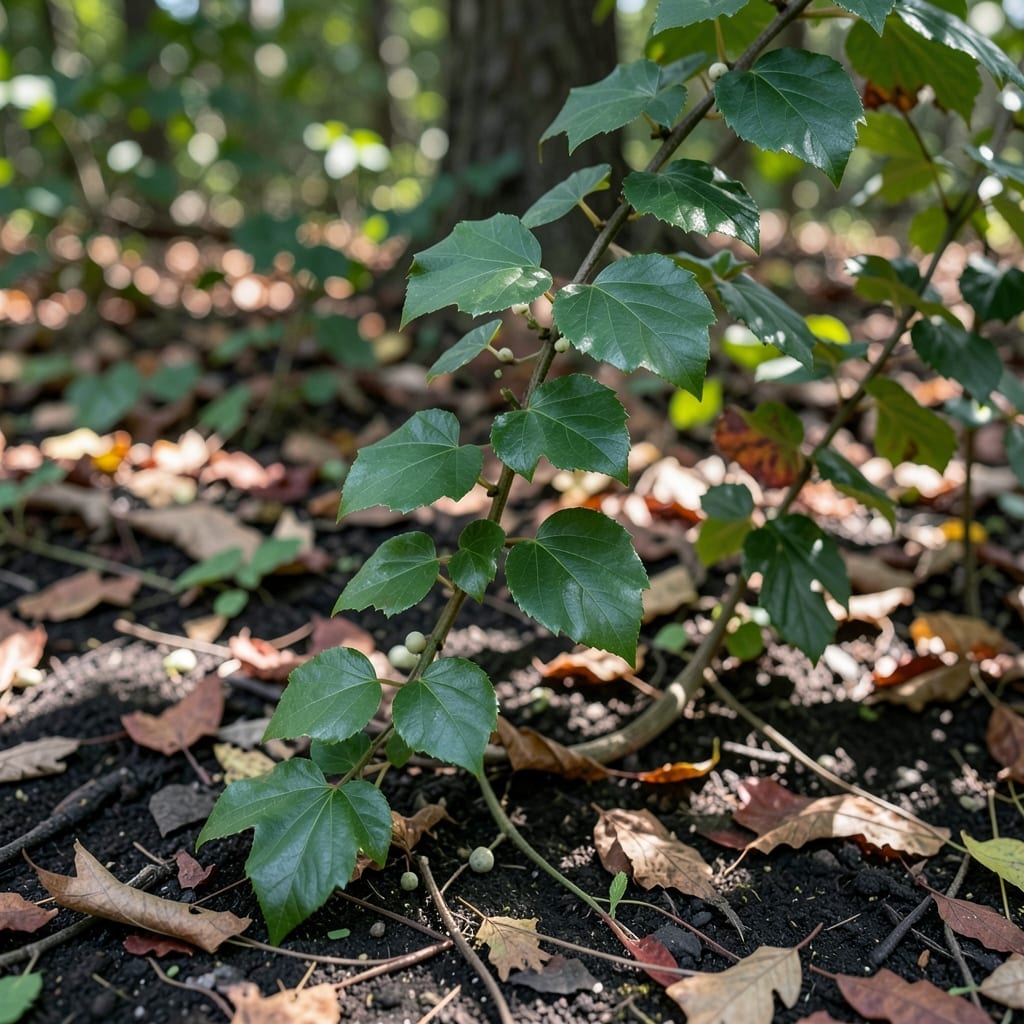
That itchy nightmare can last 2-3 weeks if you don’t catch it early. I learned this the hard way after a weekend of clearing overgrown garden beds without checking what I was pulling.
Poison ivy releases an oil that bonds to skin, tools, even pet fur. The rash appears within 12-48 hours, starting as red lines or patches that blister and ooze. The worse the exposure, the longer it lingers.
Prevention is simpler than you think. Learn the “leaves of three, let it be” rule and wear long sleeves when working in brushy areas. Wash skin and clothes immediately after potential contact.
Most cases clear on their own, but severe reactions need medical attention. Know the signs and act fast to cut the duration short.
The itchy, blistering reaction of a poison ivy rash is your immune system’s overzealous response to a plant oil called urushiol. 🌿 This oily resin, found in poison ivy, oak, and sumac, triggers an allergic reaction in about 80% of people who come into contact with it. Here’s why it happens:
Urushiol binds to proteins in your skin, forming a complex that your immune system recognizes as a threat. This prompts the release of histamines and other inflammatory chemicals, causing redness, swelling, and intense itching. The rash typically appears 12–48 hours after exposure, as your body mounts its defense.
Not everyone reacts the same way. People with higher skin permeability or a genetic predisposition to allergies may develop a more severe rash. Urushiol is highly potent—just 1 nanogram (a speck smaller than a grain of salt) can trigger a reaction in sensitive individuals.
The rash doesn’t spread by scratching, but it can appear to spread if urushiol was absorbed unevenly into your skin. Areas with thinner skin (like your face or inner arms) may react faster, while thicker skin (like your palms or soles) might take longer to show symptoms. Wash the affected area immediately with soap and water to remove lingering oil.
Dealing with a poison ivy rash? Here’s how to tackle it based on the cause, along with prevention tips to keep it from coming back. Act fast for the best results!
Urushiol, the oil in poison ivy, binds to skin within minutes. Rinse the affected area with cool water and soap (like dish soap or specialized cleansers like Tecnu) within 10–15 minutes of contact. Scrub gently with a washcloth to remove the oil. Pro tip: 💡 Avoid hot water—it can open pores and spread the oil.
Prevention: Wear long sleeves and gloves when in wooded areas. Apply a barrier cream like bentoquatam (IvyBlock) to exposed skin.
For a mild rash, use calamine lotion or hydrocortisone cream to reduce itching and inflammation. Oatmeal baths or cold compresses can also provide relief. Avoid scratching—it can lead to infection.
Prevention: Shower and change clothes after outdoor activities to remove residual oils.
If the rash covers a large area, affects your face/genitals, or causes severe swelling, see a doctor. They may prescribe oral steroids (like prednisone) or stronger topical treatments. Never pop blisters—this can worsen the rash or cause infection.
Prevention: Learn to identify poison ivy (“leaves of three, let it be”) and avoid touching it or contaminated objects (like pets or gardening tools).
Urushiol can linger on clothes, shoes, or tools for years. Wash contaminated items with soap and hot water separately from other laundry. For tools, use soap and water or rubbing alcohol.
Prevention: Keep a dedicated set of outdoor clothes and clean them immediately after potential exposure.
✨ Quick fix: Over-the-counter antihistamines (like Benadryl) can help with itching and sleep disruption at night.
Most mild cases clear in 1-2 weeks with proper care. Severe reactions may take up to 3 weeks to heal completely.
No, the rash itself doesn’t spread by scratching. But urushiol oil can linger under nails, making it seem like it’s spreading if you touch new areas.
Seek medical help if the rash covers a large area, affects your face or genitals, or causes severe swelling. Oral steroids may be needed for 2-3 weeks in extreme cases.
Wash all clothing, tools, and pet fur with soap and hot water. Urushiol can remain active on surfaces for years.