
Beautiful Plants For Your Interior
Beautiful Plants For Your Interior
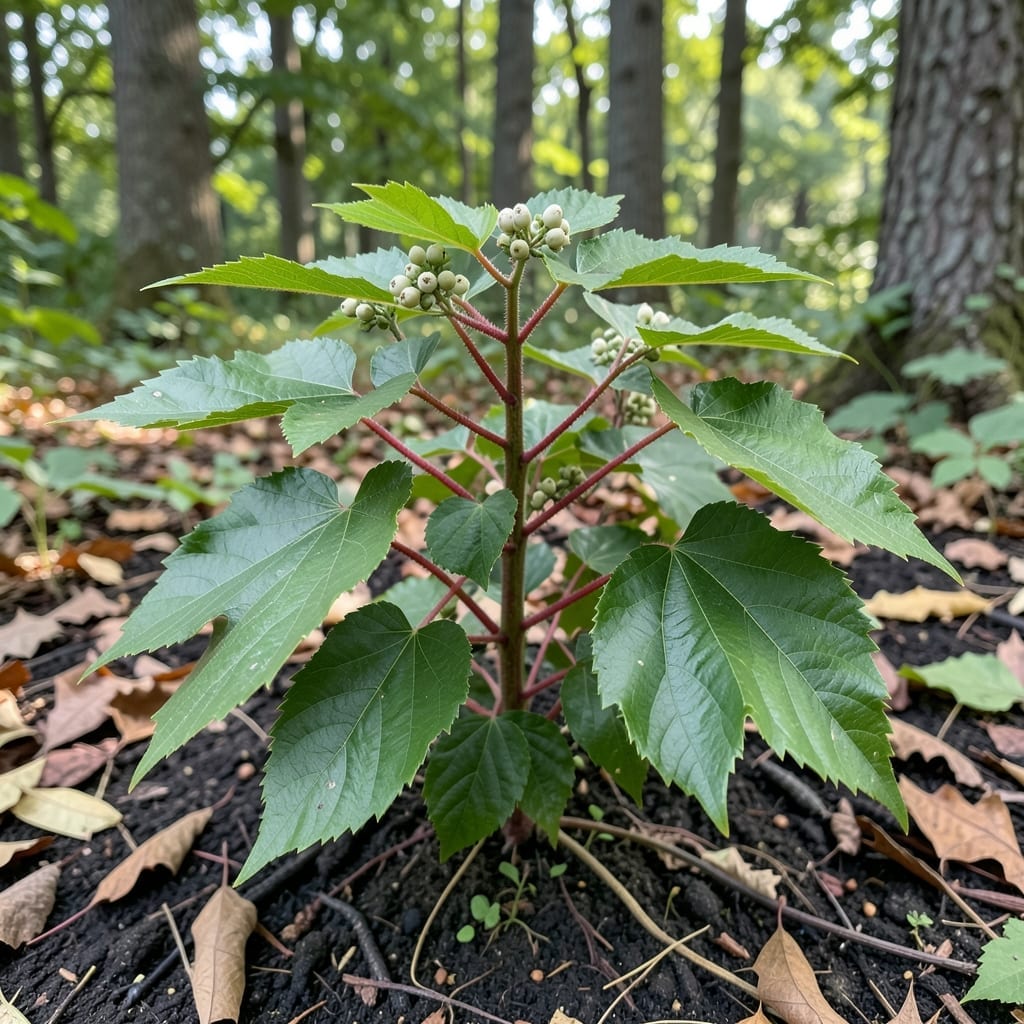
That itchy, blistering poison ivy rash can feel like it will never end. I remember my first encounter with 🌿 Poison Ivy – the discomfort seemed endless.
But here’s the good news: it will fade. The timeline might surprise you, as it’s not as long as you might fear.
I’ve learned that understanding this timeline is the key to managing expectations. It’s not just about waiting it out, but knowing how to help your skin heal.
Discover how long that dreaded rash typically lasts and what you can do to speed up recovery. Let me walk you through what to expect.
If you’ve brushed against poison ivy, the first question on your mind is likely how long the rash will last. Most people see symptoms appear within 12 to 48 hours of contact, but the timeline can vary.
The rash itself typically lasts 1 to 3 weeks without treatment, depending on the severity of exposure and how quickly you wash the affected area. The blisters and itching can be miserable, but they do fade over time.
| Stage | Timeline | Symptoms |
|---|---|---|
| Initial Contact | 0-12 hours | Redness, itching begins |
| Blister Formation | 12-48 hours | Small bumps, severe itching |
| Peak Rash | 2-7 days | Blisters, oozing, intense itch |
| Healing Phase | 7-21 days | Scabs form, itching subsides |
The first signs of poison ivy are often a red, itchy rash that develops in streaks or patches. This happens when your skin reacts to urushiol oil, the compound in the plant that triggers the allergic reaction.
Within 1 to 2 days, small blisters may form, and the itching can become unbearable. This is the stage where most people seek relief, as the rash is at its most uncomfortable. It’s also when the risk of spreading is highest if you scratch.
By day 3 to 7, the blisters may start to ooze or crust over. This is a sign your body is fighting the reaction. The itching often remains strong during this period, but it should start to lessen as the blisters dry up.
From week 2 to 3, the rash begins to heal. Scabs form over the blisters, and the itching gradually fades. At this point, the worst is over, but it’s important to avoid picking at scabs to prevent scarring or infection.
In mild cases, the rash may clear up in as little as 7 to 10 days. However, for those with severe reactions or who had significant exposure, it can take up to 3 weeks for the skin to fully heal.
The urushiol oil can remain active on surfaces for months, so be sure to wash clothing, tools, or pets that may have come into contact with the plant. This prevents re-exposure and a fresh outbreak of the rash.
While the rash is healing, keep the area clean and dry. Using cool compresses and over-the-counter anti-itch creams can help manage the discomfort as you wait for your skin to recover naturally 🌿
If you’ve brushed against poison ivy, the rash typically lasts 1-3 weeks without treatment. I’ve found that acting fast can cut that time significantly. The key is washing the skin within 10 minutes of exposure to remove the urushiol oil. 🌿
Once the rash appears, cool compresses and calamine lotion can ease the itch. I also swear by oatmeal baths to soothe irritation. Avoid scratching, as it can lead to infection and prolong healing. ☀️
I always keep aloe vera gel in my gardening kit. Its anti-inflammatory properties help calm the skin. For blisters, burdock root tea compresses can dry them out faster. Just remember, home remedies work best for mild cases. 🌱
Another tip: wear loose clothing to avoid further irritation. If the rash spreads to your face or genitals, it’s time to call a doctor. I’ve learned that prevention is easier than treatment, so always wear long sleeves and gloves in the garden. ✂️
If you’re dealing with a severe reaction, don’t hesitate to seek medical advice. Prescription steroids can shorten recovery time significantly. I’ve seen cases where early intervention made all the difference. 🌿
Finally, clean your tools and clothes after exposure. Urushiol oil can linger on surfaces and cause re-exposure. A little caution goes a long way in keeping your garden time rash-free. 🌻