
Beautiful Plants For Your Interior
Beautiful Plants For Your Interior
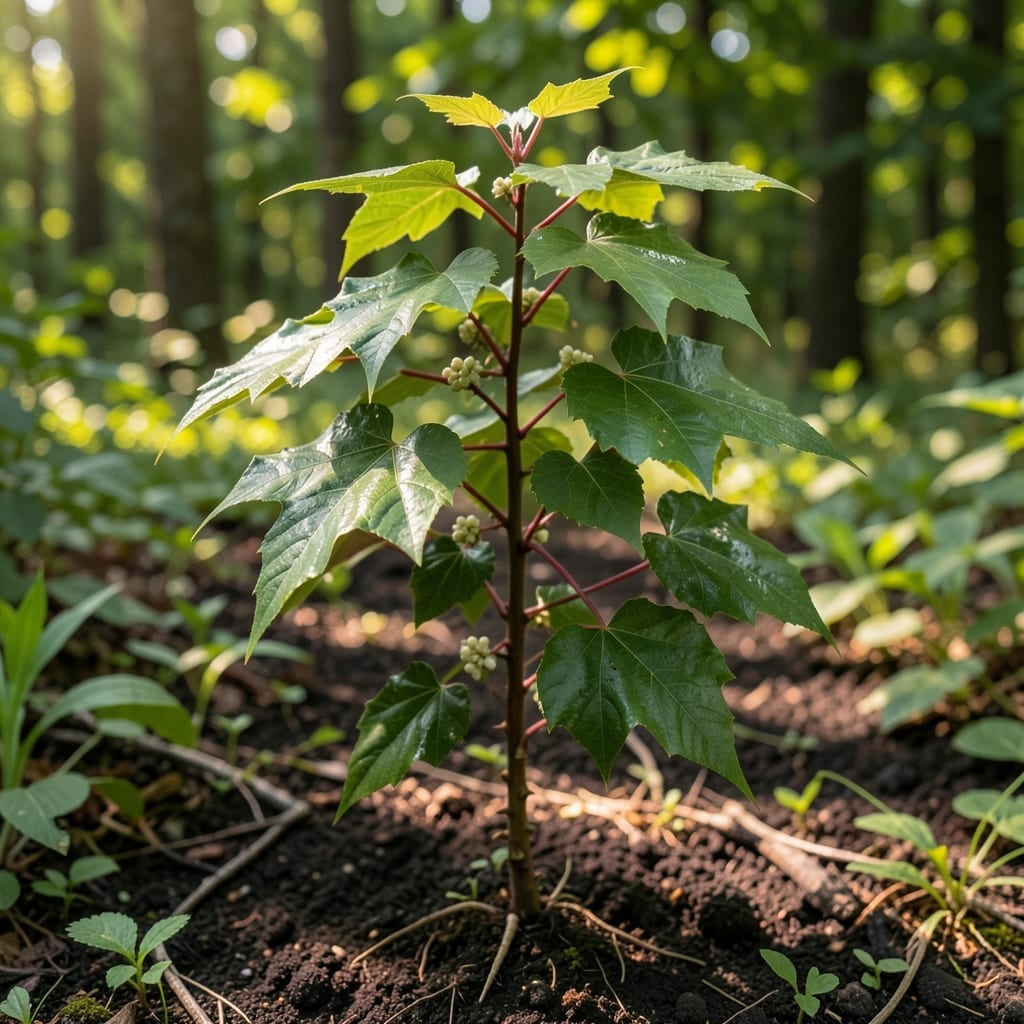
That itchy, burning scalp after gardening is a dead giveaway. Poison ivy oil clings to tools, gloves, even your hair, and it doesn’t take much to trigger a reaction.
I learned the hard way that washing hands isn’t enough—you’ve got to clean everything that touched the plants. The sooner you rinse with cool water and soap, the better your chances of stopping the spread.
For immediate relief, a cool compress and calamine lotion take the edge off. The key is acting fast, before the rash really takes hold.
Prevention starts with learning to spot the three-leaf pattern and wearing long sleeves when clearing brush. Trust me, it’s worth the extra layer.
Poison ivy on the scalp occurs due to direct or indirect contact with Toxicodendron radicans, a plant containing urushiol, a potent allergenic oil. Here’s how it happens:
The most common cause is brushing against poison ivy leaves, stems, or roots. Even brief contact transfers urushiol to your skin or scalp, triggering an allergic reaction in 80% of people. The oil binds to skin proteins, provoking an immune response that leads to itching, redness, and blisters.
Urushiol can linger on tools, clothing, or pet fur. Touching contaminated items (e.g., gardening gloves, hats, or a dog’s coat) and then your scalp spreads the oil. Even airborne exposure—like burning poison ivy—can release urushiol particles that settle on the scalp.
Once urushiol touches the scalp, sweat or scratching can spread it to other areas. The oil remains active for hours, so delayed washing worsens the reaction. Act fast: Rinse with soap and cool water within 10–30 minutes to reduce severity.
Dealing with poison ivy on the scalp can be uncomfortable, but these targeted solutions will help you find relief and speed up healing. Address the issue based on its cause with these practical fixes and prevention tips.
If you suspect direct contact with poison ivy, wash your scalp immediately with cool water and a gentle soap (like dish soap or specialized poison ivy cleansers like Tecnu). This removes the plant’s oily resin, urushiol, which causes the reaction. Avoid hot water, as it can open pores and spread the oil.
Prevention tip: 💡 Wear a hat or use a barrier cream (like bentoquatam) when in wooded or overgrown areas.
For an existing rash, apply calamine lotion or hydrocortisone cream to reduce itching and inflammation. Oatmeal baths or aloe vera gel can also calm irritation. If blisters form, let them dry out naturally—do not pop them, as this can lead to infection.
Prevention tip: 🌡️ Wash clothing, tools, or pets that may have touched poison ivy to avoid re-exposure.
If the rash spreads, becomes extremely painful, or you experience swelling in the face or difficulty breathing, seek medical attention immediately. A doctor may prescribe oral steroids or antibiotics if the area becomes infected.
Prevention tip: ✨ Learn to identify poison ivy (“leaves of three, let it be”) and avoid it in your environment.
Consistency is key—stick to these steps to ease discomfort and prevent future flare-ups!
Use cool water and gentle soap like dish soap or Tecnu immediately. Avoid hot water, as it can spread the oil. Rinse thoroughly for at least 2 minutes to remove urushiol.
Yes! Oatmeal baths or aloe vera gel can soothe itching. Calamine lotion helps dry out blisters. Avoid scratching to prevent infection.
Seek help if the rash spreads, becomes painful, or you experience swelling. A doctor may prescribe oral steroids or antibiotics for severe cases.
Wear a hat and use barrier creams in wooded areas. Wash clothing and tools after potential contact. Learn to spot poison ivy: “leaves of three, let it be.”