
Beautiful Plants For Your Interior
Beautiful Plants For Your Interior
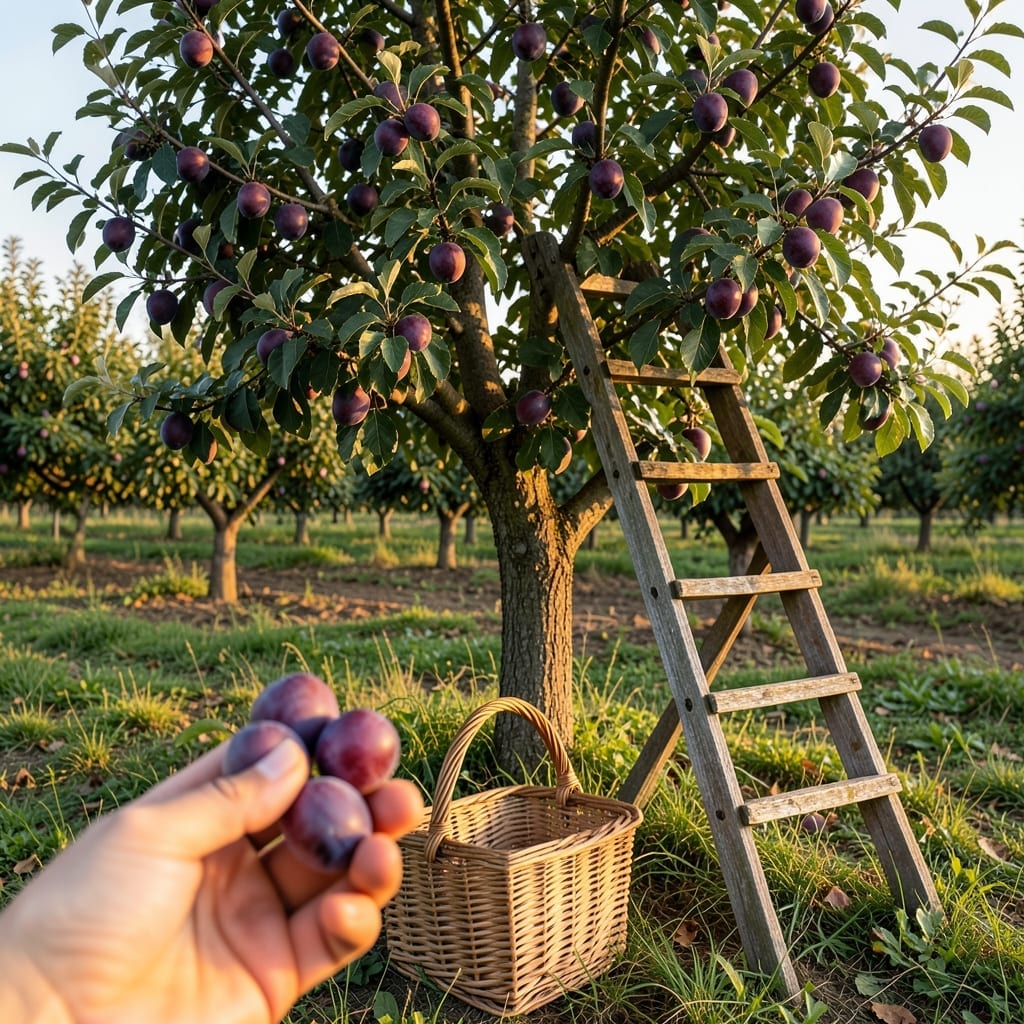
There’s nothing quite like biting into a perfectly ripe Plum 🍑 you’ve grown yourself. But timing that harvest can make or break your fruit’s flavor and texture.
I learned the hard way that picking too early gives you tart, hard fruit, while waiting too long leads to overripe messes. The difference between a game-changing harvest and disappointment often comes down to just a few days.
In zones 5-9, the sweet spot typically falls between July and September, but your exact window depends on your local climate and variety. Knowing these details ensures you get the most from your tree.
Let me walk you through how to pinpoint that ideal moment when your plums are at peak perfection, every single time.


Timing your plum harvest perfectly depends on where you live. In cooler zones 4-5, plums typically ripen from late July to early September, while warmer zones see earlier harvests. 🌳
For zones 6-7, expect plums to be ready from mid-July through August. The warmer climate speeds up ripening, so check trees weekly as harvest time approaches. ☀️
| USDA Zone | Harvest Window | Varieties |
| 4-5 | Late July – Early Sept | Brookgold, Pembina |
| 6-7 | Mid-July – August | Methley, Stanley |
| 8-9 | June – July | Santa Rosa, Elephant Heart |
| 10 | May – June | Beauty, Casselman |
In zones 8-9, plums often ripen from June through July. Varieties like Santa Rosa thrive here, benefiting from the longer growing season and consistent warmth. 🌿
Zone 10 gardeners enjoy the earliest harvests, with plums ready as early as May. The hot climate accelerates growth, so monitor trees closely to avoid overripening. ✂️
Early-season varieties like Methley often ripen 2-3 weeks before mid-season types. If you’re growing multiple varieties, stagger your harvest expectations accordingly. 🌱
Late-season plums, such as Stanley, may need until early September even in cooler zones. These are ideal for preserving since they hold up well after picking. 🌳
Remember that microclimates can affect timing. A south-facing slope or urban heat island might advance your harvest by a week or two. Always observe your specific conditions. ☀️
For the most accurate timing, I recommend tracking bloom dates. Most plums need about 90-150 days from bloom to harvest, depending on the variety and growing conditions. 💧
If you’re unsure, taste-test a few fruits as they begin to color. A ripe plum will be sweet and juicy at the stem end even if the rest isn’t fully colored yet. 🌿
I always check for visual cues first when determining if my plum trees are ready. The fruit color deepens to its full, rich hue, which varies by variety—purple, red, or yellow are common.
Next, I gently squeeze a few plums to test for slight softness. If they yield a little under pressure, they’re likely ripe. Hard fruit means they need more time on the tree.
Another reliable sign is the stem test. When a plum is ready, it will separate easily from the stem with a gentle twist. If it resists, it’s not ready yet.
I also look for a powdery bloom on the skin, which indicates maturity. This natural coating helps preserve the fruit and signals it’s at peak ripeness.
Avoid harvesting too early, as immature plums won’t ripen properly off the tree. Picking too late can lead to overripe fruit that spoils quickly.
For the best flavor, I harvest in the early morning when temperatures are cool. This helps maintain the fruit’s freshness and sweetness.
Finally, I taste-test a few plums from different parts of the tree. If they’re sweet and juicy, it’s time to start the full harvest!