
Beautiful Plants For Your Interior
Beautiful Plants For Your Interior
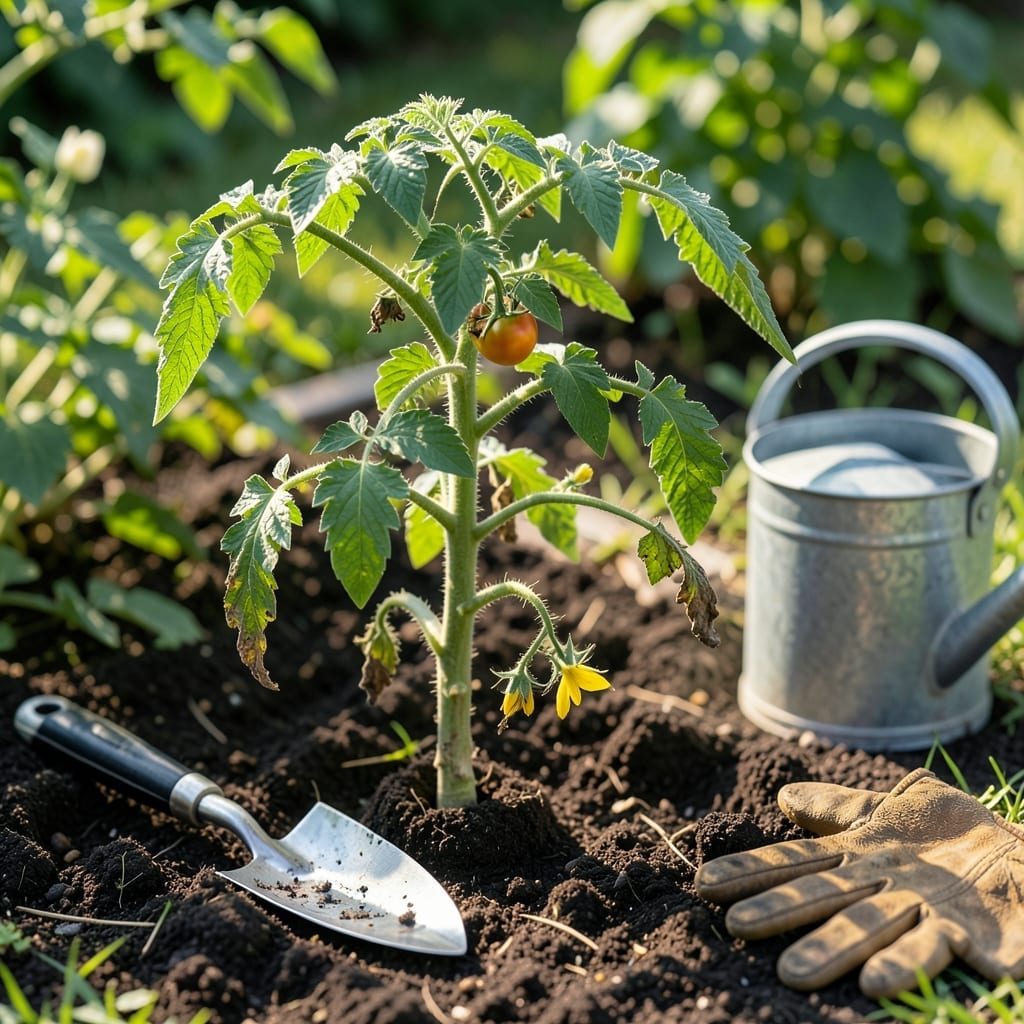
That sinking feeling when your plants droop after moving them hits hard. I’ve lost count of how many seedlings I’ve watched wilt within hours of transplanting, only to bounce back with the right care.
Most wilting comes from transplant shock—roots adjusting to new soil, temperature swings, or water stress. The good news? With shade, consistent moisture, and a little patience, they often recover in 24-48 hours.
I’ve learned to harden off plants first, water deeply before moving them, and keep them out of direct sun for a few days. Small steps that save a season’s worth of effort.
Even the most careful gardener faces this. The fix is simpler than you think, and prevention starts with your next transplant.
Transplanting disrupts a plant’s delicate balance, often leading to temporary wilting. Here’s why it happens:
When you move a plant, root hairs—critical for water absorption—break or tear. This reduces the plant’s ability to uptake moisture, causing immediate wilting. Even gentle handling can sever fine roots, forcing the plant to rebuild its root system before recovering.
Transplanted plants often experience transpiration shock: their leaves continue losing water through stomata, but damaged roots can’t replace it fast enough. Dry soil or inconsistent watering post-transplant worsens this, leaving leaves limp and droopy.
Sudden changes in light, temperature, or humidity stress the plant. For example, moving a shade-loving fern into full sun can cause photoinhibition, where excess light damages chlorophyll, leading to wilting. Even a 10°F temperature swing can trigger stress responses.
Damaged roots struggle to absorb nutrients, especially phosphorus and nitrogen. Without these, the plant can’t maintain cell turgor pressure (the internal “push” that keeps stems rigid), resulting in floppy, wilted foliage.
Pruning too much before transplanting reduces the plant’s ability to photosynthesize, while transplanting during peak heat (midday) or extreme weather increases water loss. Always transplant on cloudy days or in the evening to minimize stress.
Transplant shock is temporary, and with the right care, your plants can bounce back quickly. Here’s how to address the most common causes and prevent future wilting:
Fix: Check soil moisture by sticking your finger an inch deep. If dry, water thoroughly until it drains from the bottom. If soggy, let it dry out and ensure the pot has drainage holes. For severe overwatering, repot in fresh, well-draining soil.
Prevention: 💡 Water deeply but less frequently—most plants prefer soil to dry slightly between waterings. Use pots with drainage and saucers to catch excess.
Fix: Move the plant to a shadier spot immediately, especially during peak afternoon sun. Use a sheer curtain or shade cloth to diffuse light. For outdoor plants, temporary shade (like a cardboard box) can help.
Prevention: 🌡️ Acclimate plants gradually. Start with indirect light for a few days, then slowly introduce more sun. Avoid transplanting on hot, windy days.
Fix: Gently loosen the roots if they’re root-bound, and trim any mushy or blackened roots with clean scissors. Replant in loose, nutrient-rich soil. A light dose of root stimulator can encourage new growth.
Prevention: ✨ Handle roots carefully during transplant. Water the plant a day before moving to reduce stress, and use a high-quality potting mix suited to your plant’s needs.
Fix: Mist leaves with water or place a tray of water near the plant to boost humidity. For windy areas, move potted plants to a sheltered spot or use a windbreak.
Prevention: 🎯 Group plants together to create a microclimate, or use a humidifier indoors. Avoid placing plants near drafty windows or vents.
Most plants recover from transplant shock within 2-7 days with proper care. Severe cases may take up to 2 weeks, especially for sensitive species. Keep soil moist and provide shade during this period.
No, wait at least 1-2 weeks before fertilizing. Freshly transplanted roots are sensitive and can burn from fertilizer salts. Focus on consistent watering first.
Yellowing often signals stress from root damage or water imbalance. It’s different from wilting but related—both indicate the plant is struggling to adapt. Trim yellow leaves to redirect energy.
Avoid transplanting when temperatures exceed 85°F. If necessary, do it at dusk and provide immediate shade. Heat stress combined with root disturbance is a recipe for wilting.