
Beautiful Plants For Your Interior
Beautiful Plants For Your Interior
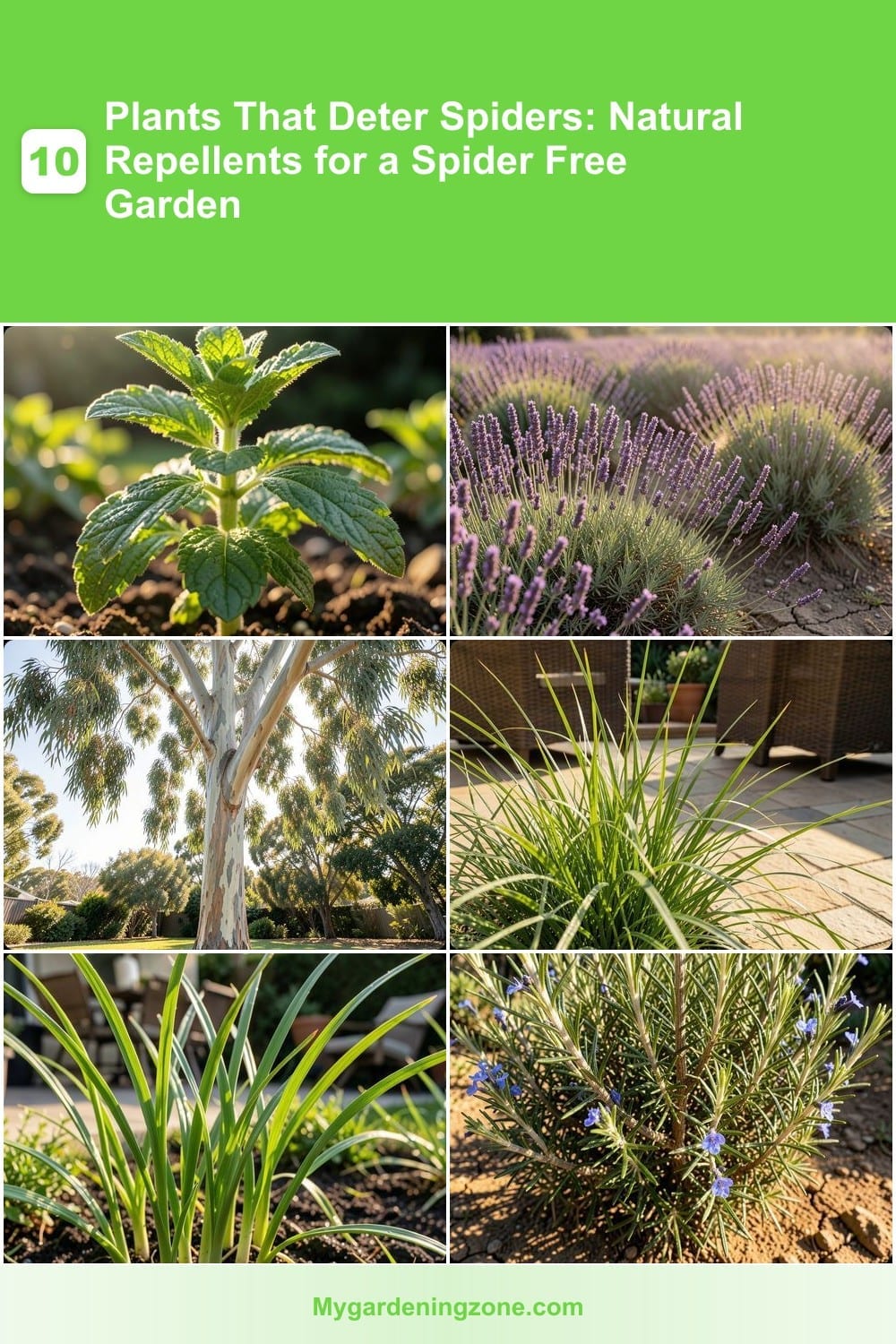
Tired of spiders taking over your garden or home? These ten natural plant options act as effective spider deterrents while adding beauty and fragrance to your outdoor space.
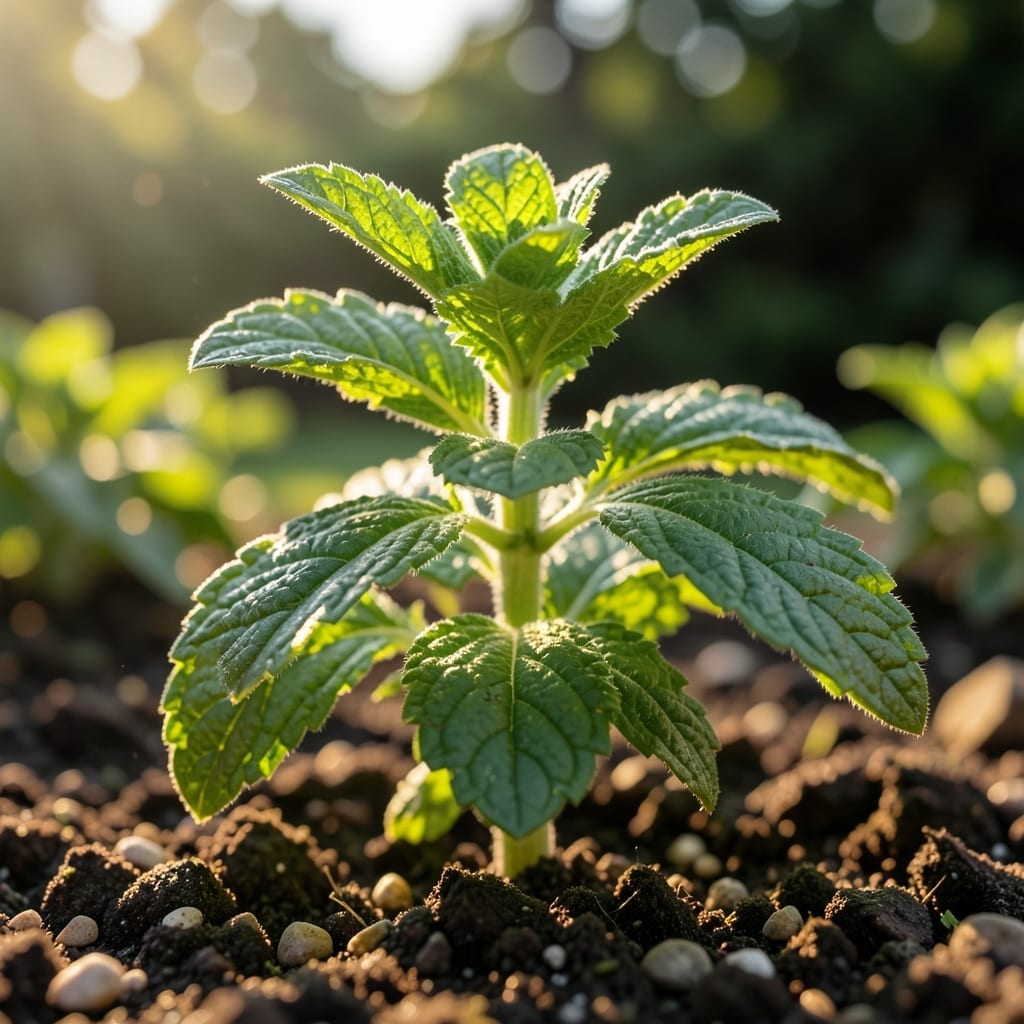
Spiders can’t stand the strong menthol scent of peppermint—it literally short-circuits their sensory receptors. This makes peppermint plants one of the most powerful natural spider deterrents available for both indoor and outdoor spaces.
Grow peppermint in well-draining soil with partial to full sun exposure. The plant spreads aggressively, so consider containing it in pots to prevent it from overtaking your garden. Crush a few leaves occasionally to release more of the spider-repelling aroma.
Perfect for gardeners who want a dual-purpose plant that also works as a refreshing herb for teas. 🌿
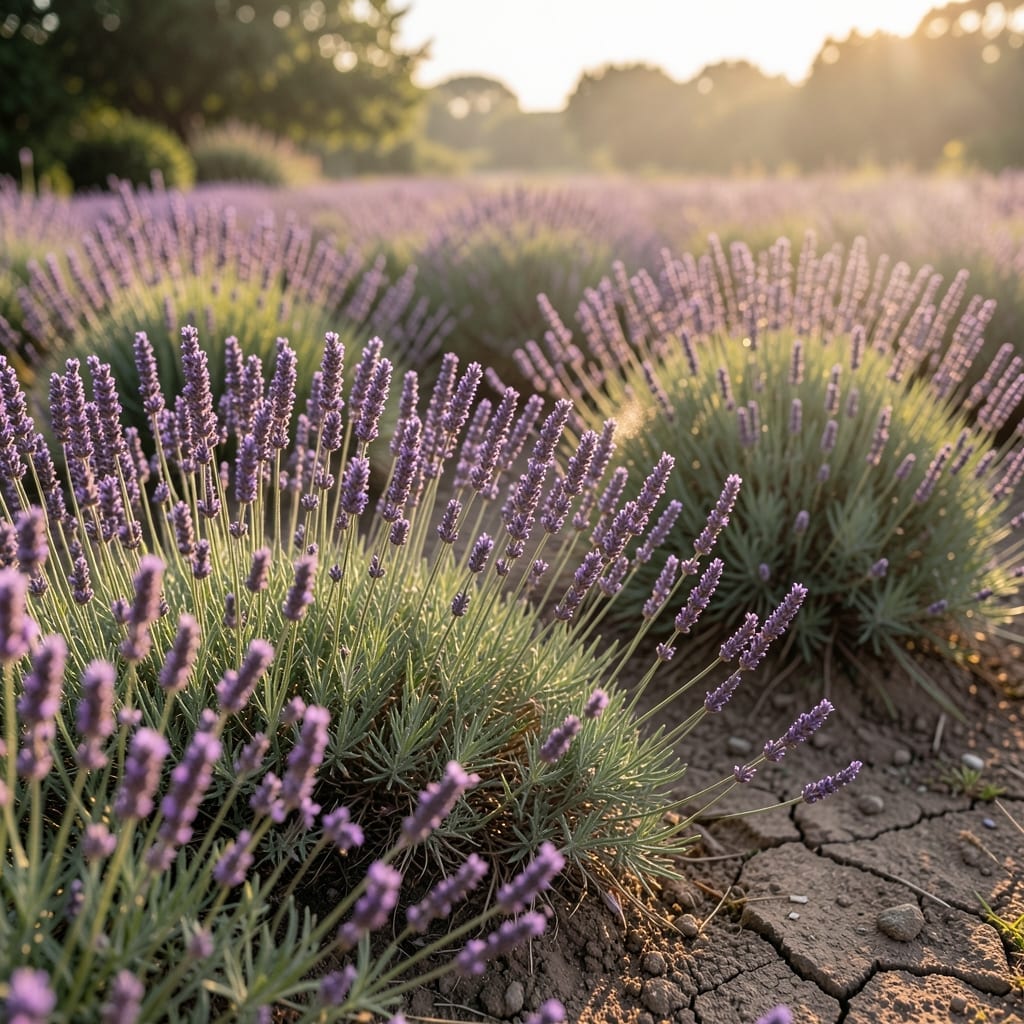
Transform your garden borders into a spider-free zone with lavender. While its sweet, floral aroma calms human nerves, the same scent drives spiders away, making it a dual-purpose addition to any landscape.
This drought-tolerant perennial thrives in full sun and well-drained soil, requiring minimal maintenance once established. Plant it along pathways or garden edges to create a fragrant, protective barrier that blooms from early summer to fall.
Ideal for gardeners who want beauty and function, lavender attracts pollinators while keeping unwanted eight-legged visitors at bay. 🌿
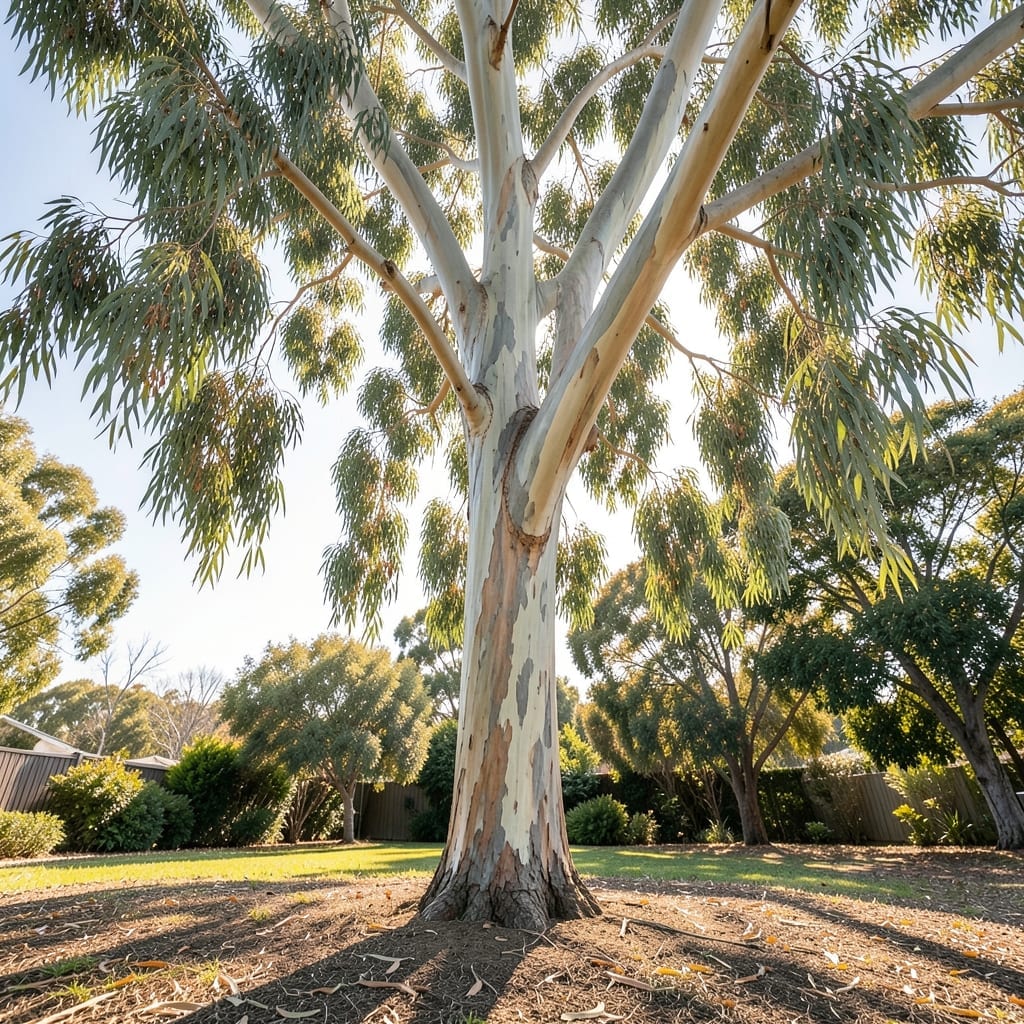
For gardeners with spacious yards, eucalyptus trees offer a powerful, natural way to keep spiders at bay. Their strong, aromatic oil is simply unbearable to these eight-legged pests.
Plant eucalyptus in full sun with well-drained soil, and enjoy both its pest-repelling benefits and its striking silvery foliage. The scent becomes even more potent when leaves are crushed, creating an invisible barrier spiders won’t cross. These fast-growing trees can reach 30-60 feet tall, making them perfect for large outdoor areas.
Ideal for property borders or open landscapes, eucalyptus provides long-term protection while adding beauty and shade to your space. 🌿
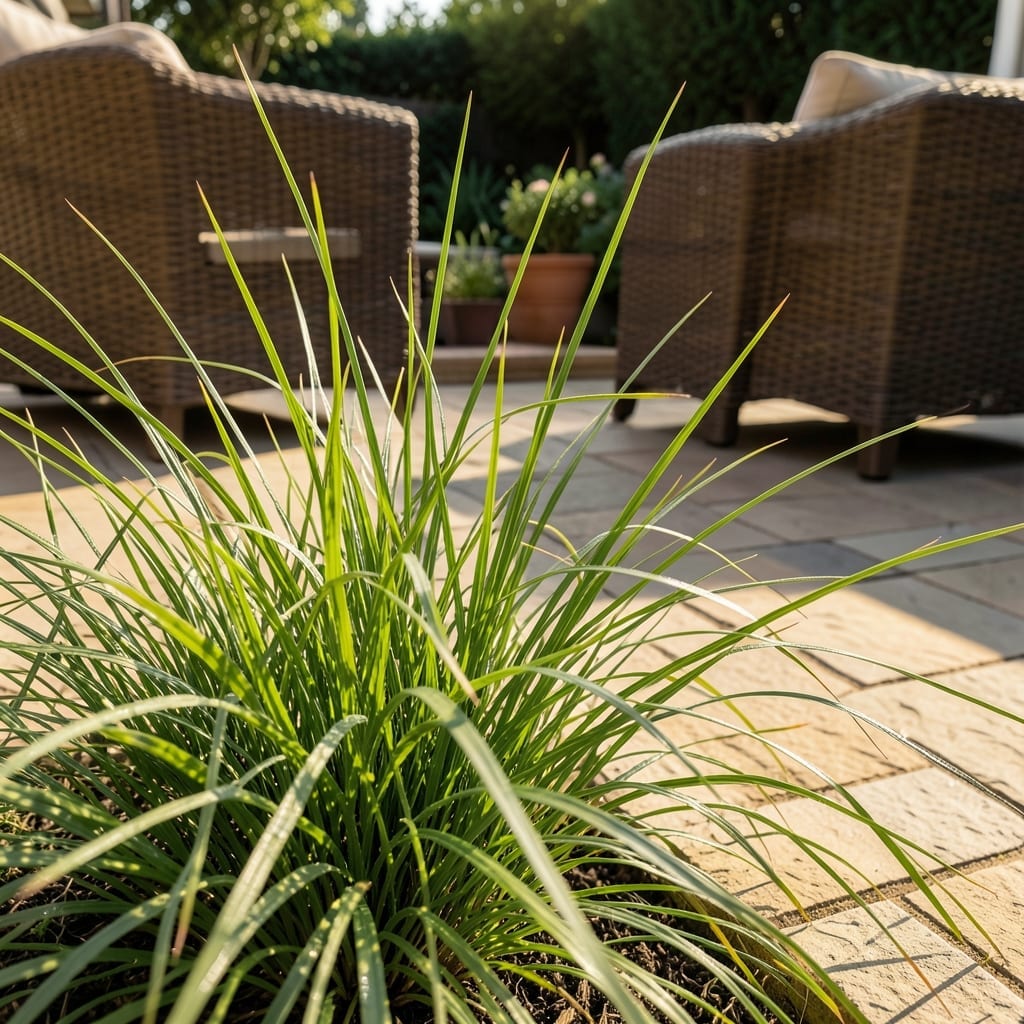
You already know citronella grass as the go-to for mosquito-free summer evenings, but its powerful citrus scent pulls double duty against spiders too. This tropical plant creates an invisible barrier that keeps eight-legged visitors away from your patio and outdoor seating areas.
Grow it in full sun and well-draining soil, where it can reach 5-6 feet tall. The more plants you cluster together, the stronger the spider-deterring aroma becomes. It’s especially effective in containers near doorways or along fence lines.
Perfect for gardeners who want multi-purpose protection without harsh chemicals. 🌿
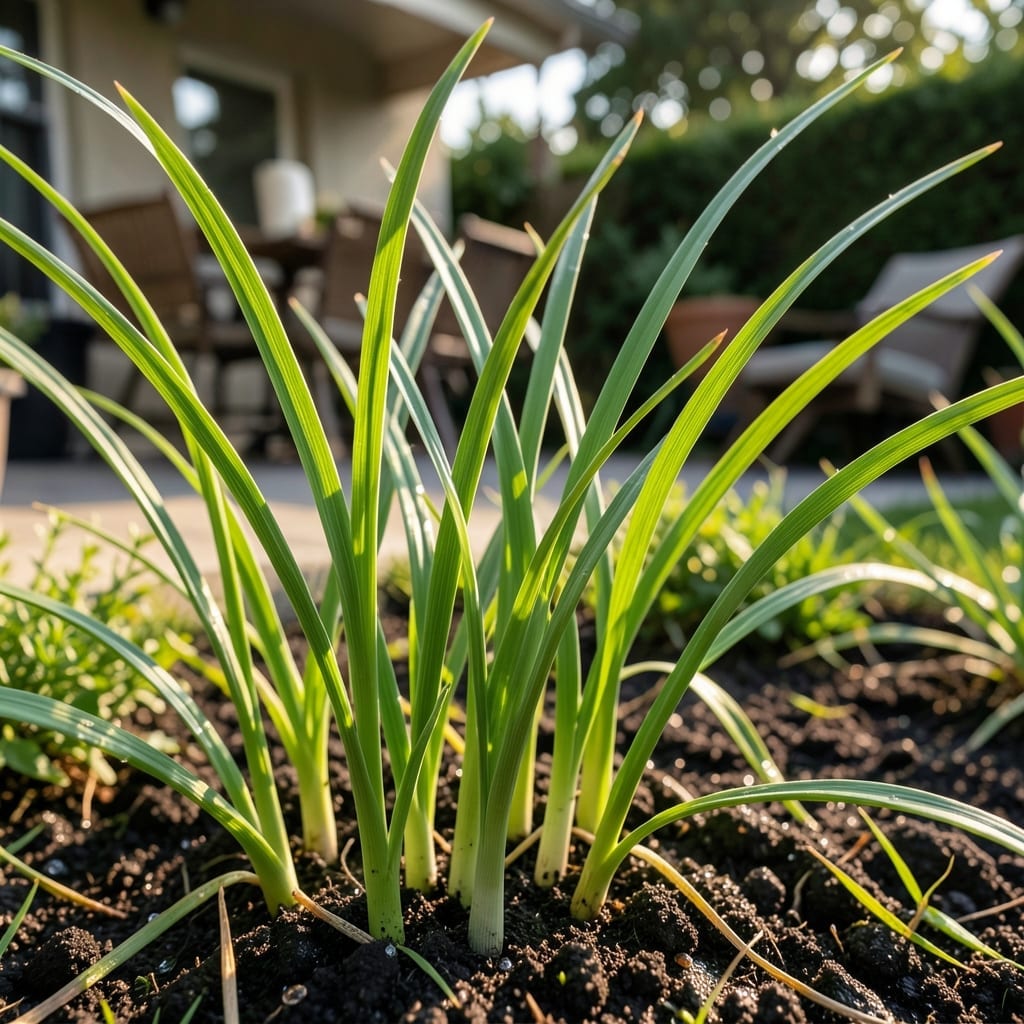
Spiders hate the citrusy aroma of lemongrass, which contains natural oils like citral that disrupt their sensitive senses. This makes lemongrass a highly effective, all-natural way to keep spiders out of your garden, patio, or even potted near entryways.
Plant it in full sun with rich, moist soil, and it will thrive with minimal care. The tall, grassy stalks grow up to 4 feet high, releasing their repellent scent continuously as they sway in the breeze.
Ideal for gardeners who want a functional, fragrant plant that also serves as a cooking herb for soups and teas. 🌿
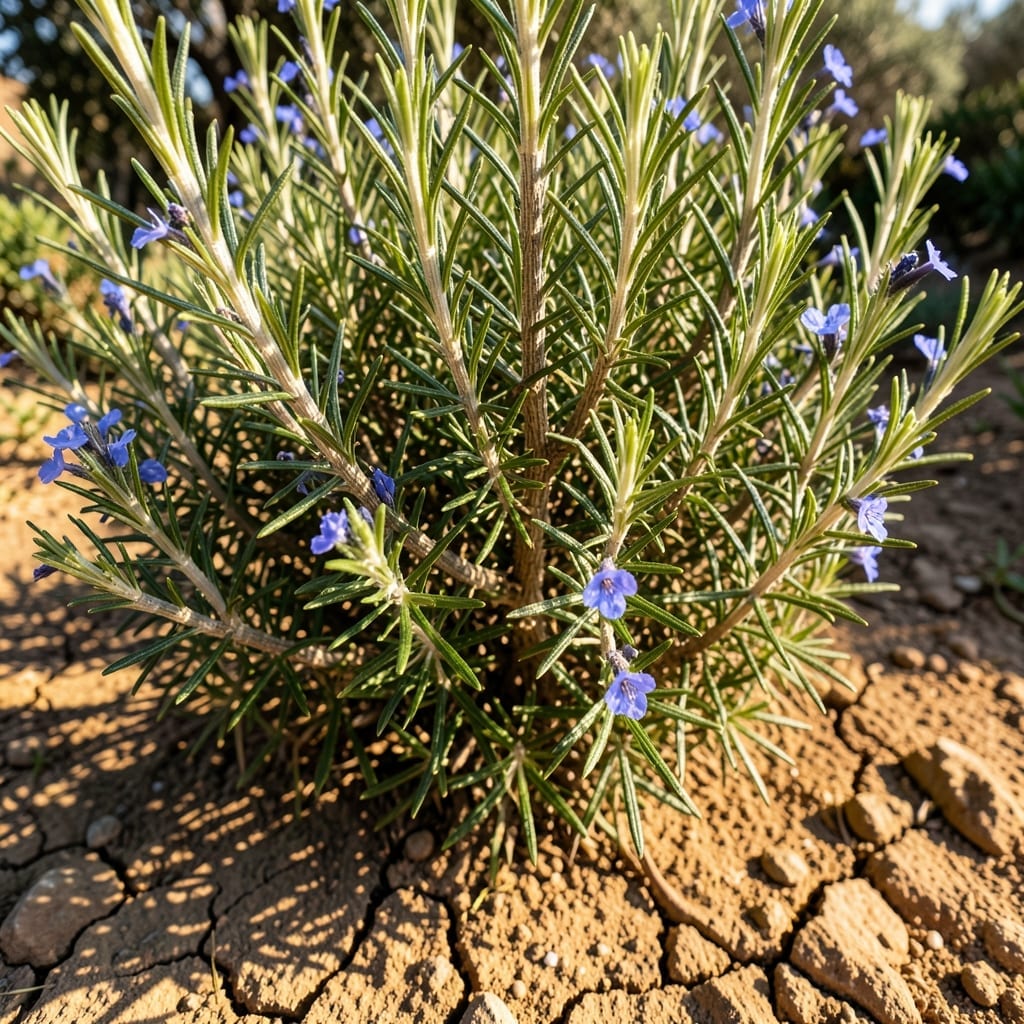
Want a plant that does double duty? Rosemary keeps spiders away with its strong woody aroma while inviting pollinators to your garden with its delicate blue flowers.
This Mediterranean herb thrives in full sun and well-drained soil, making it perfect for drought-prone areas. Its evergreen foliage provides year-round spider deterrence, and you can trim it to shape hedges or borders for added garden structure.
Ideal for gardeners who want low-maintenance pest control that also supports local ecosystems. 🌿
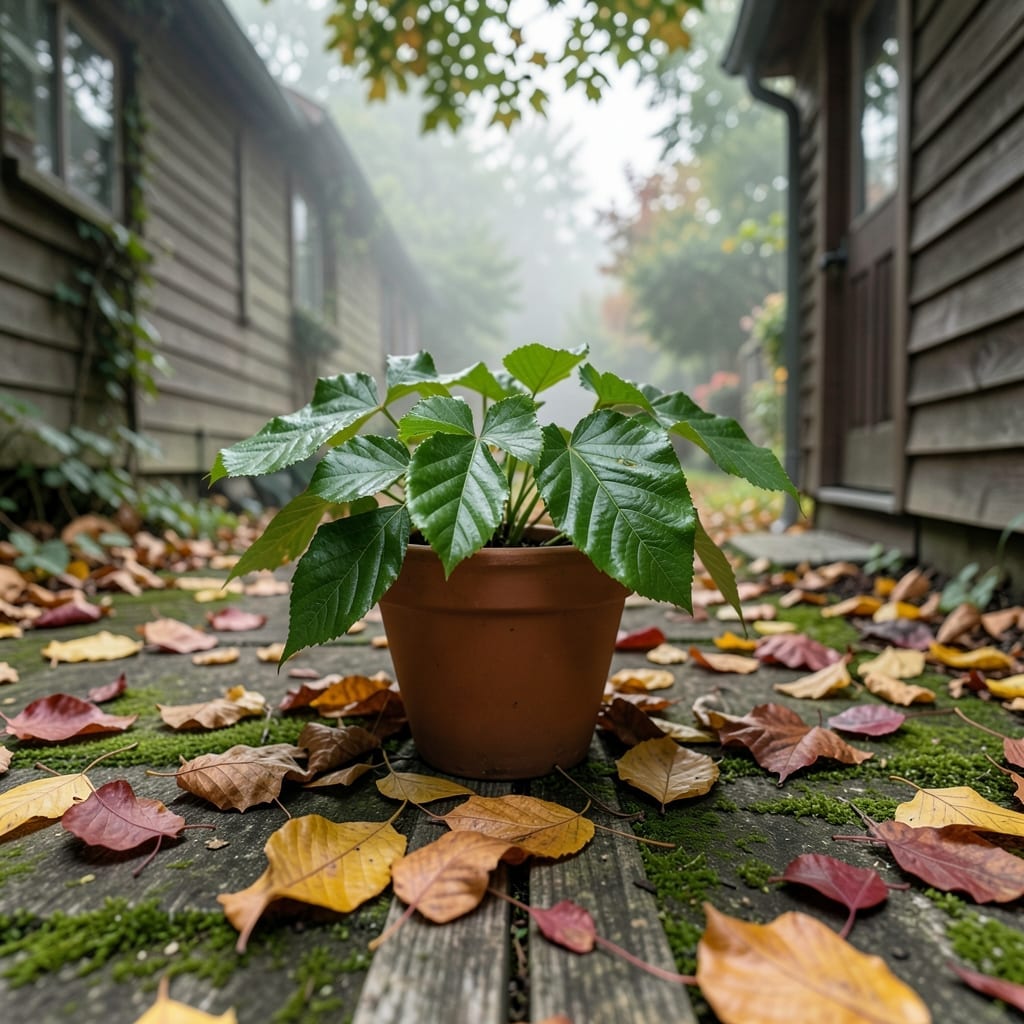
As autumn leaves begin to fall, chestnut leaves offer a surprising seasonal defense against spiders you won’t find in other plants. Their unique chemistry releases a natural compound that eight-legged visitors simply can’t tolerate.
Collect fresh green chestnut leaves and place them in problem areas like garden sheds, porches, or near entryways. The protection lasts as long as the leaves remain fresh, typically through the fall season, giving you chemical-free pest control when spiders are most active.
This method works especially well for gardeners seeking a temporary, natural solution during peak spider months. 🌿
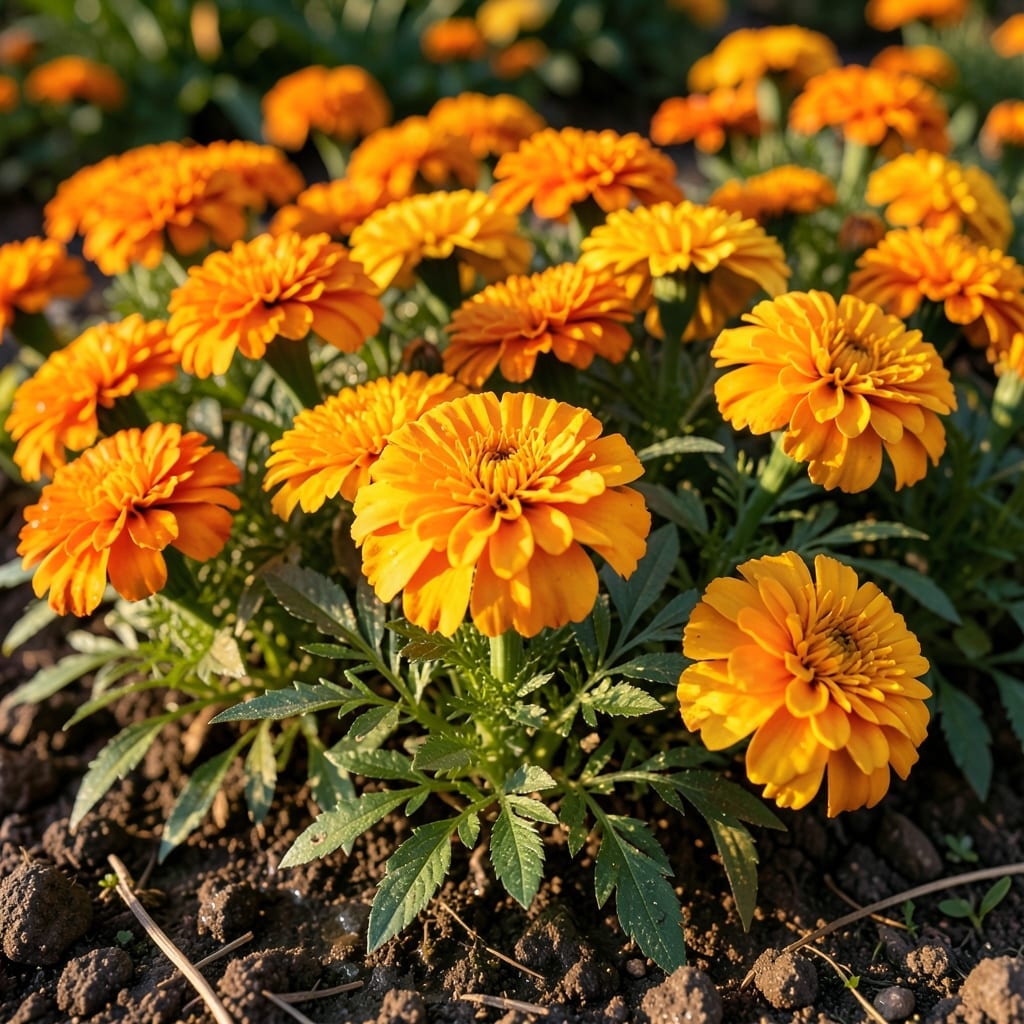
Bright marigold flowers do more than add cheerful color to your garden—they produce pyrethrum, a natural compound that repels spiders and other pests without harsh chemicals.
Plant marigolds in full sun with well-draining soil, and space them about 8-10 inches apart for a dense, protective barrier. Their strong scent disrupts spiders’ ability to hunt, keeping them away from your prized plants.
These hardy annuals are perfect for beginners, blooming continuously from spring until frost and requiring minimal care. 🌻
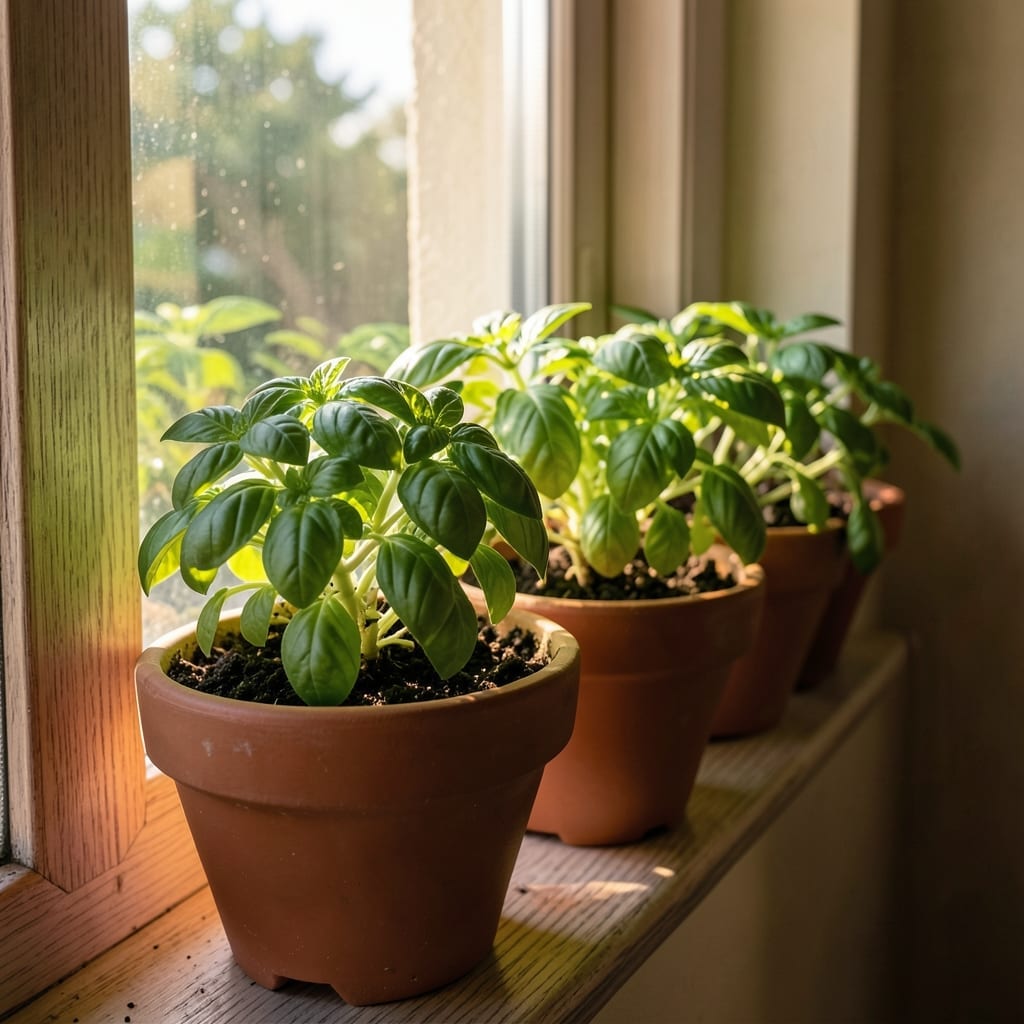
Your windowsills and doorways can pull double duty as spider defense zones with fragrant basil plants. The same bold aroma that makes basil a kitchen favorite is exactly what spiders can’t stand, creating a natural barrier at entry points.
Grow sweet basil in containers with well-draining soil and at least 6 hours of sun daily. Pinch back flowers to encourage bushier growth and stronger scent release. The more you harvest, the more aroma it produces to keep spiders away.
Perfect for urban gardeners or anyone wanting a low-maintenance, edible plant that serves as both pest control and fresh herb. 🌿
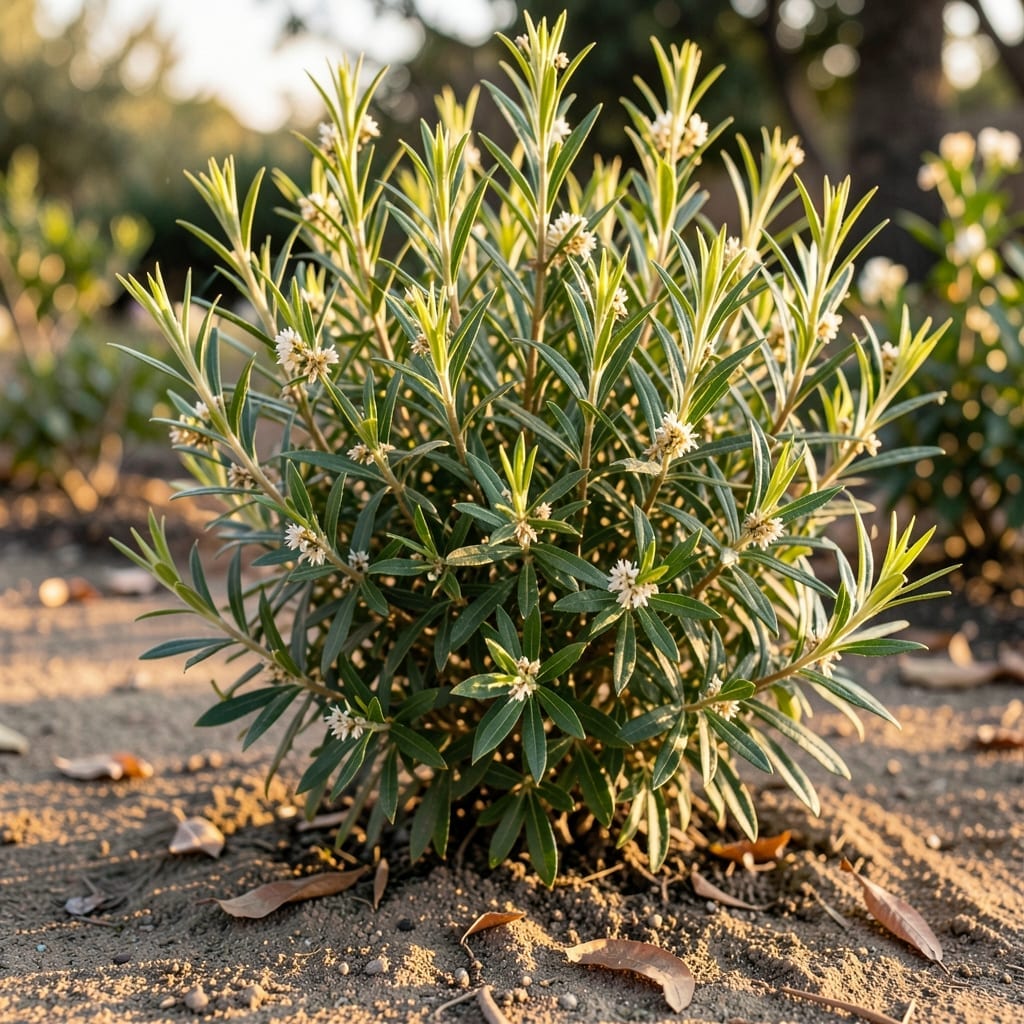
Most people know tea tree oil as a skincare powerhouse, but its natural plant form is equally effective at repelling spiders. The same compounds that soothe human skin create an environment spiders simply can’t tolerate.
This evergreen shrub thrives in warmer climates with well-drained soil and full sun. Its narrow, dark green leaves release a potent aroma year-round, making it a low-maintenance natural barrier. Plant it near entryways or along garden borders for continuous protection.
Perfect for gardeners in frost-free regions who want a dual-purpose plant that offers both pest control and medicinal benefits. 🌿