
Beautiful Plants For Your Interior
Beautiful Plants For Your Interior
Poison ivy’s infamous rash can ruin your outdoor adventures. These ten look-alike plants often cause confusion, but knowing their differences can help you avoid irritation and enjoy nature safely.
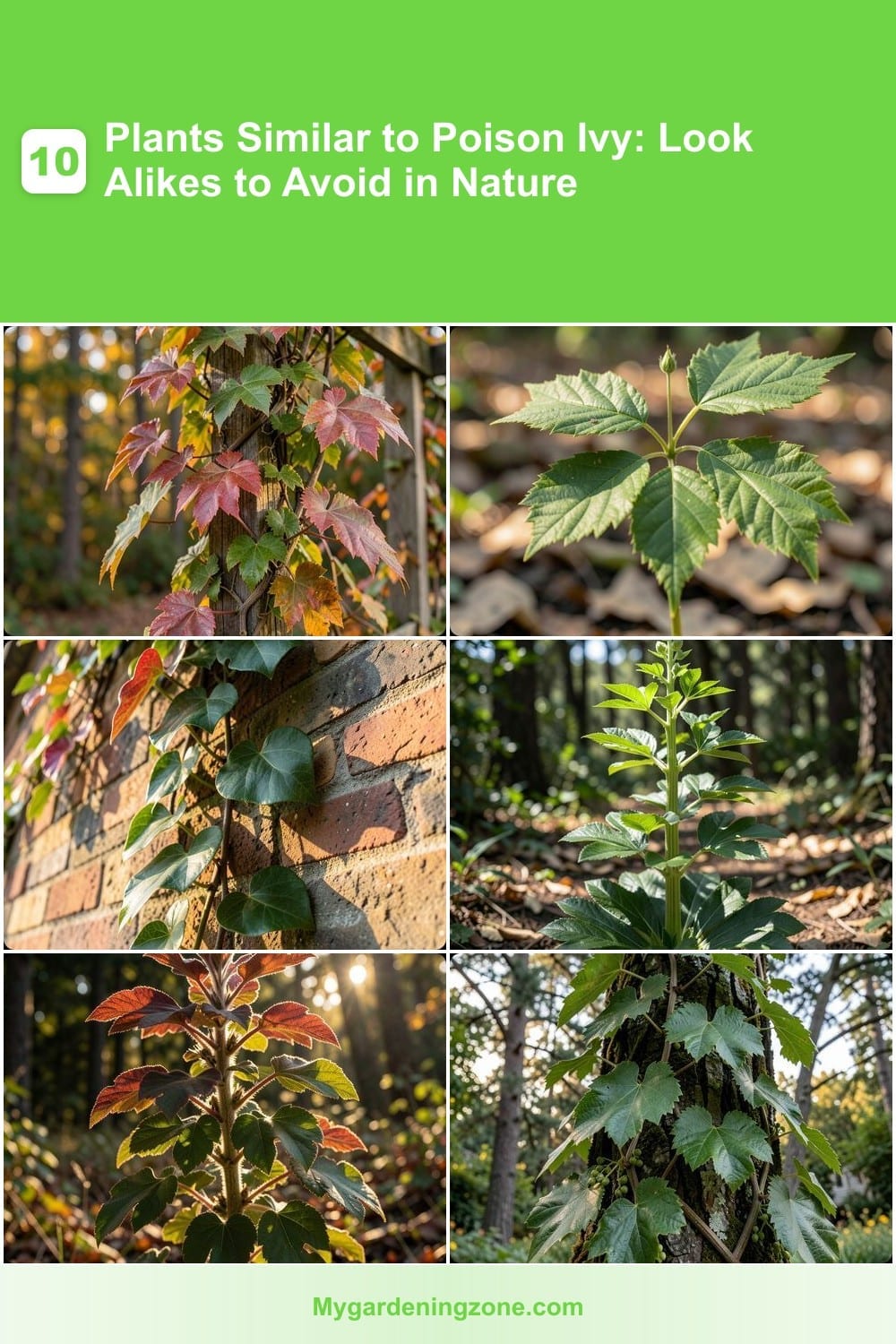
Don’t let the five-leaflet clusters fool you—Virginia creeper vine isn’t poison ivy. While it shares a similar leaf arrangement, this non-toxic climber has smooth-edged leaves and turns stunning shades of red and orange in fall.
It thrives in sun to partial shade and adapts to various soil types, making it a low-maintenance choice for fences, trellises, or ground cover. Unlike its rash-inducing doppelgänger, you can safely handle this vine without gloves.
Perfect for gardeners seeking fast-growing, colorful foliage without the worry. It’s a great alternative for adding vertical interest or autumn color to your landscape. 🌿
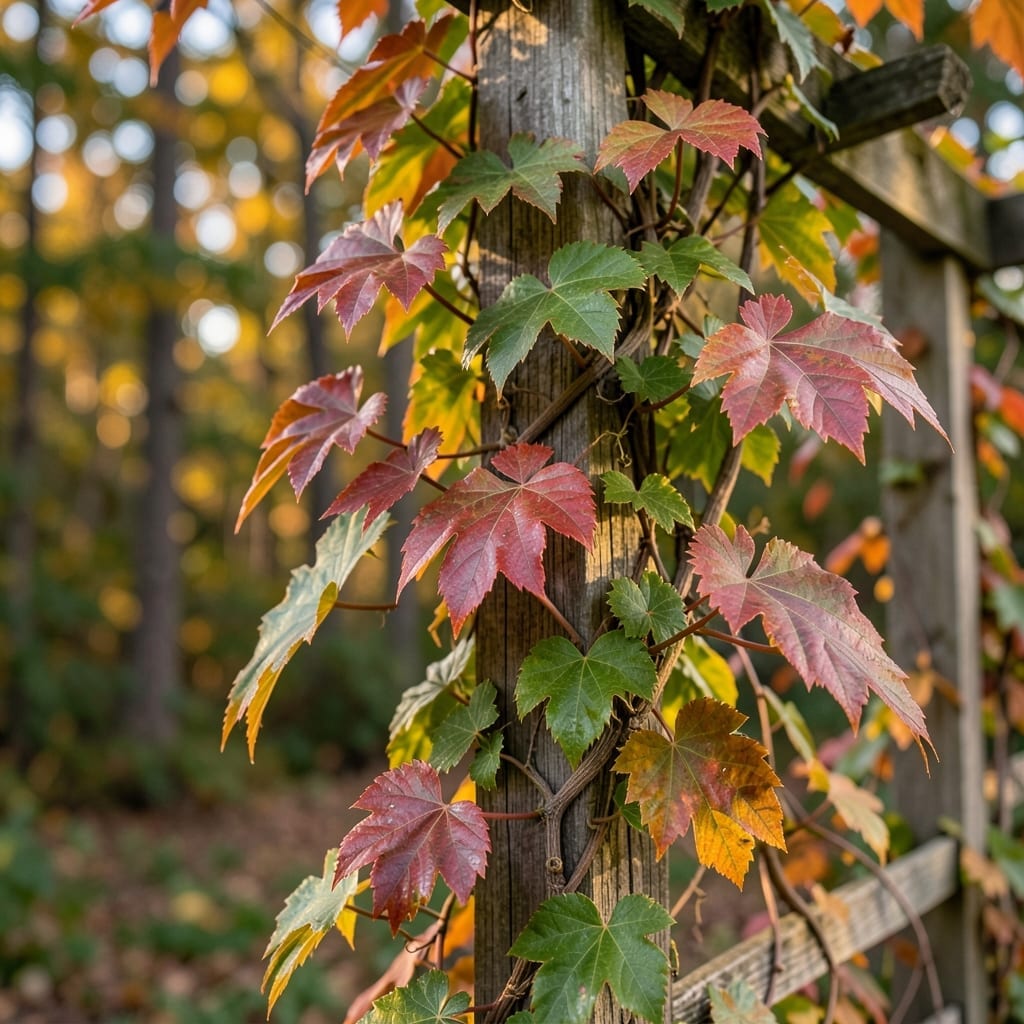
Those three-part leaves might look like poison ivy at first glance, but boxelder maple seedlings have a key difference: the center leaflet grows on a noticeably longer stem than the side two.
This young tree also grows taller and faster than poison ivy, with serrated leaf edges that help distinguish it. You’ll often find it in open woodlands or along fences, thriving in full sun to partial shade.
Ideal for gardeners who want to identify safe plants in the wild or add a hardy native tree to their landscape. 🌱
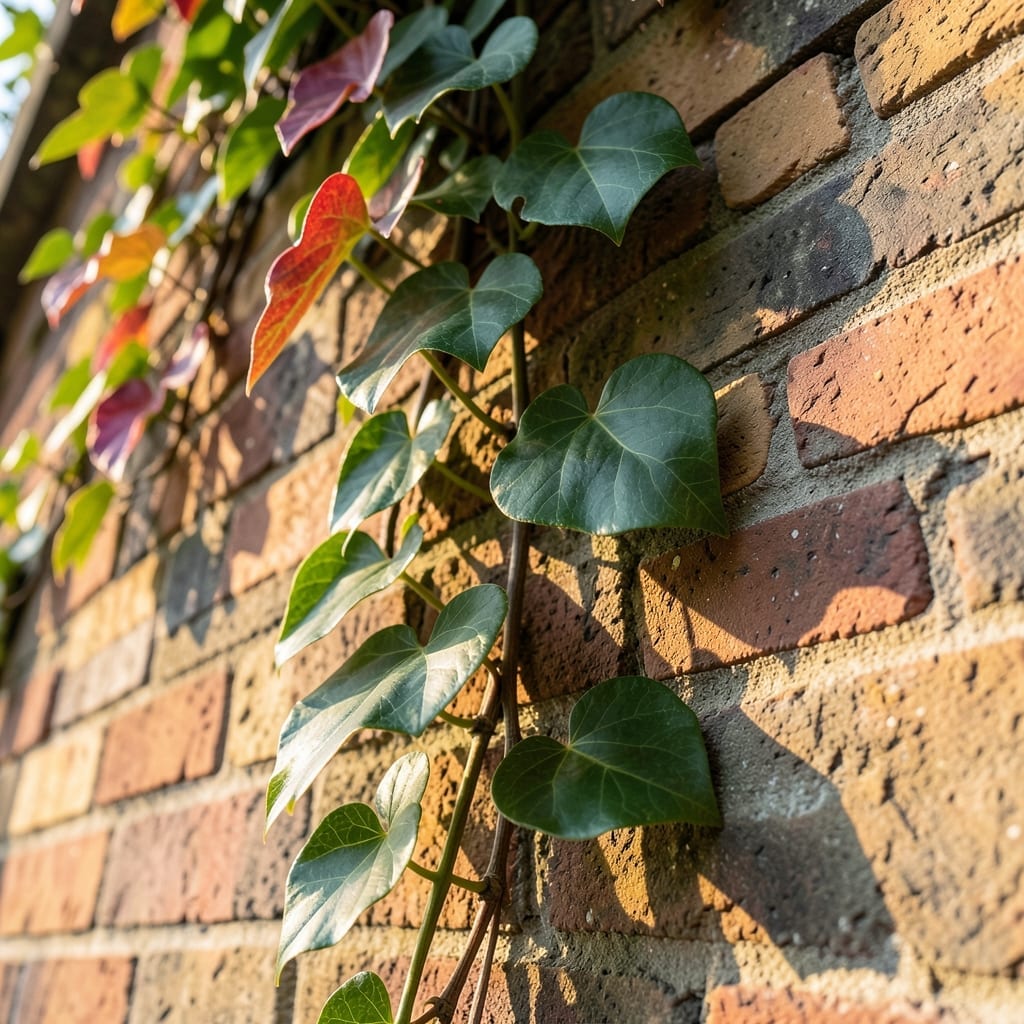
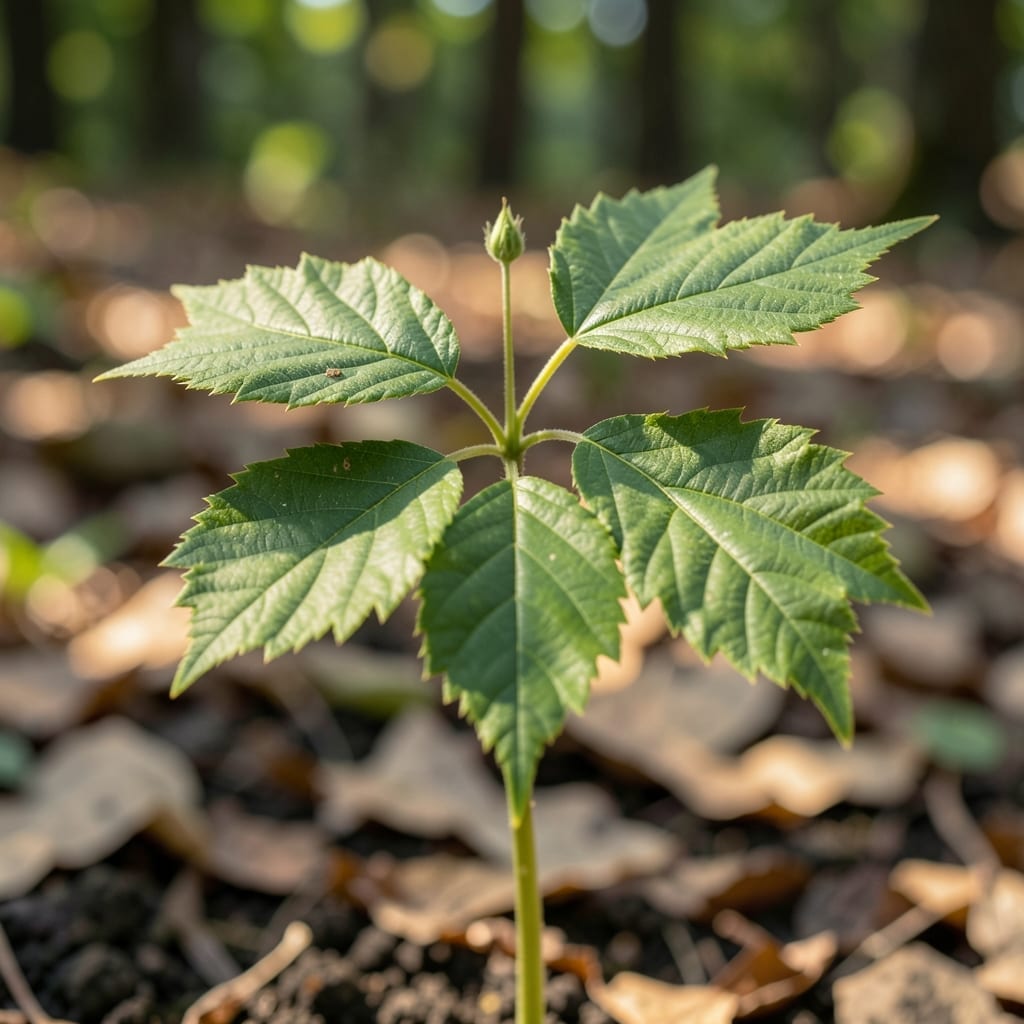
Don’t panic if you see three leaflets climbing a wall—this might just be Boston ivy. It shares poison ivy’s trio of leaves but stands out with its glossy finish and love for vertical surfaces like brick or stone.
This vine thrives in full sun to partial shade and turns brilliant red in autumn, making it a popular choice for urban landscapes. Unlike its forest-dwelling lookalike, it’s non-toxic and won’t cause a rash.
Perfect for gardeners wanting a hardy, ornamental climber that adds year-round interest to fences or buildings. 🌿
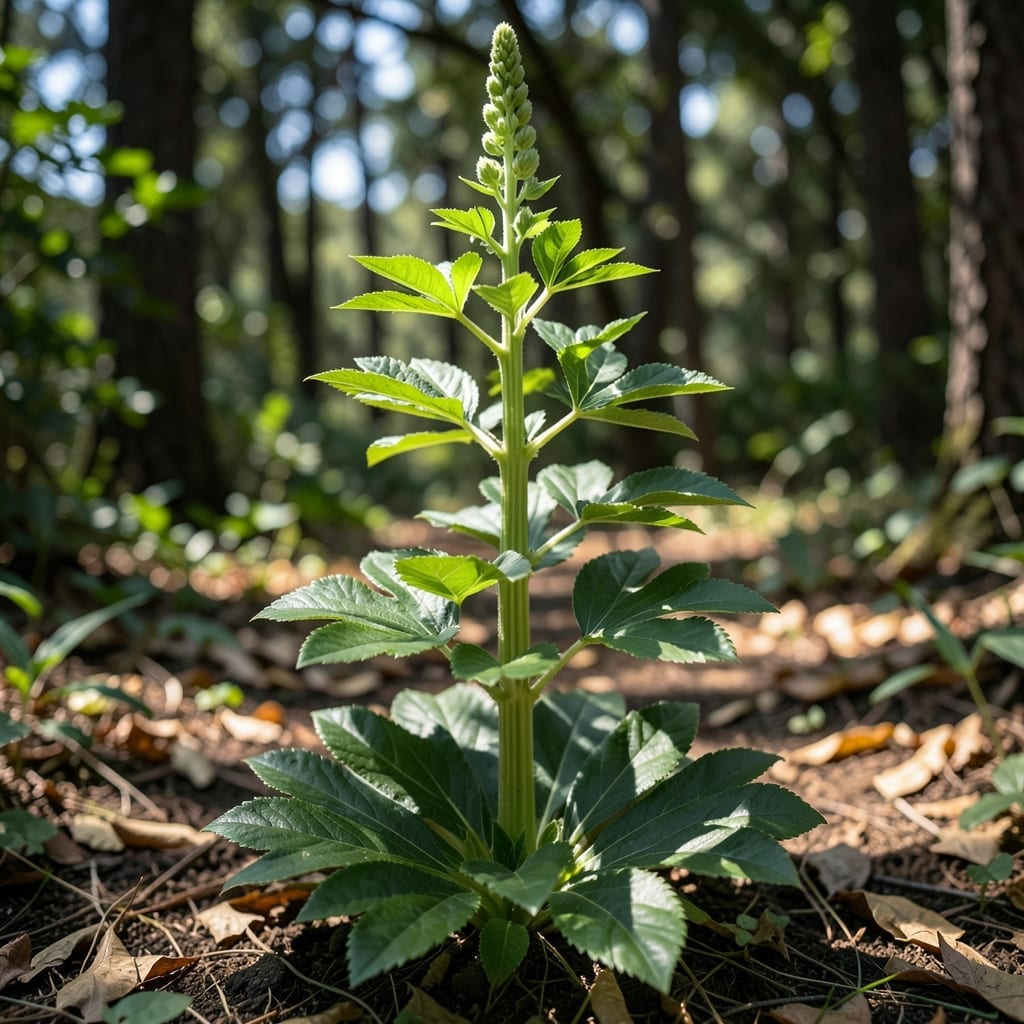
If you spot compound leaves that scream poison ivy, take a closer look—Frasera carolinensis might be the culprit. This native perennial, also called American columbo, forms a distinct rosette pattern at its base, setting it apart from its infamous lookalike.
Its tall stems bear whorled leaves and delicate white star-shaped flowers in summer, thriving in partial shade to full sun. Unlike poison ivy, it’s completely non-toxic, making it a safe addition to wildflower gardens or naturalized areas.
Ideal for gardeners who love native plants and want to support pollinators without the worry of skin irritation. 🌿
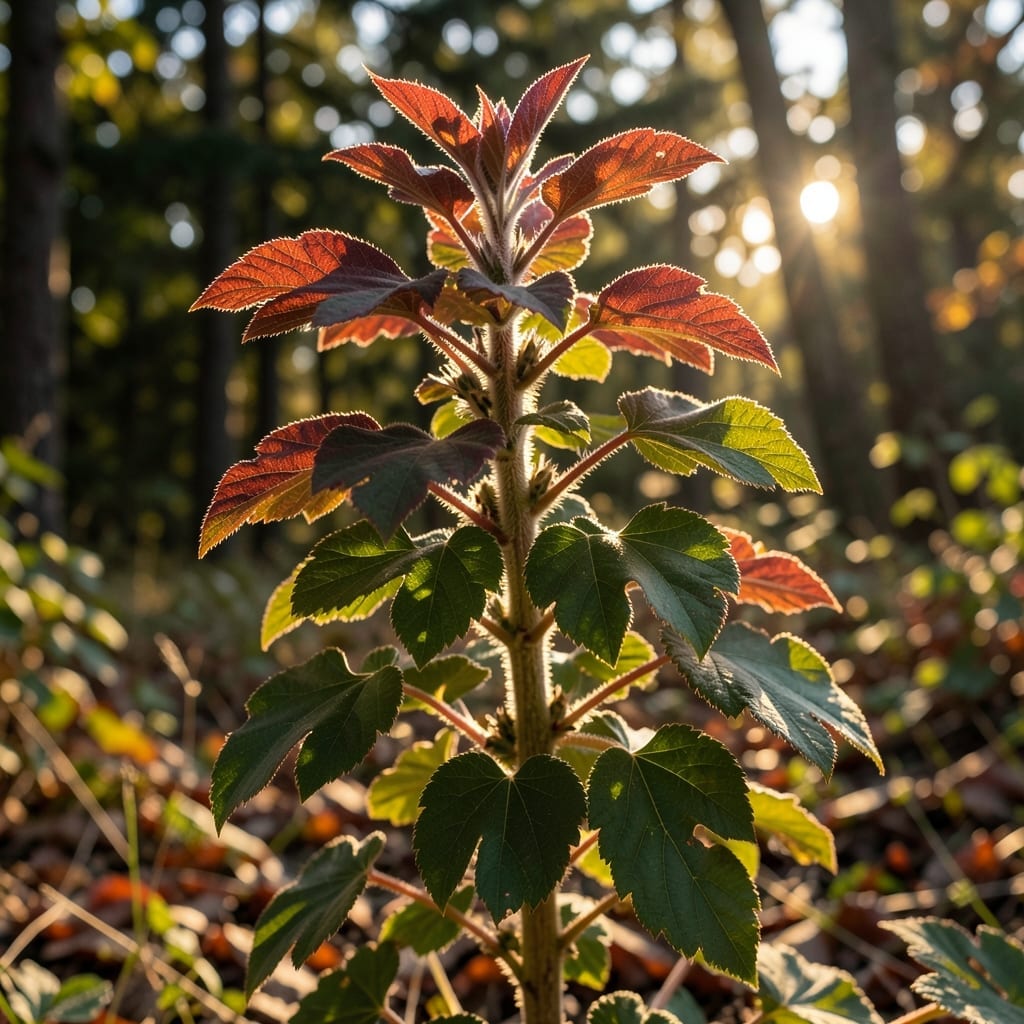
Those three leaflets might trigger alarm, but fragrant sumac is a harmless lookalike with a delightful twist. Crush its fuzzy stems or leaves, and you’ll release a refreshing citrus aroma—nothing like poison ivy’s dreaded oils.
This deciduous shrub grows 6-10 feet tall, thriving in full sun to partial shade. Its red, hairy stems and vibrant fall foliage make it a standout in native landscapes or wildlife gardens. Best of all, it’s completely non-toxic to humans and pollinators alike.
Ideal for gardeners seeking a fragrant, low-maintenance shrub that supports birds and bees without the worry. 🌿
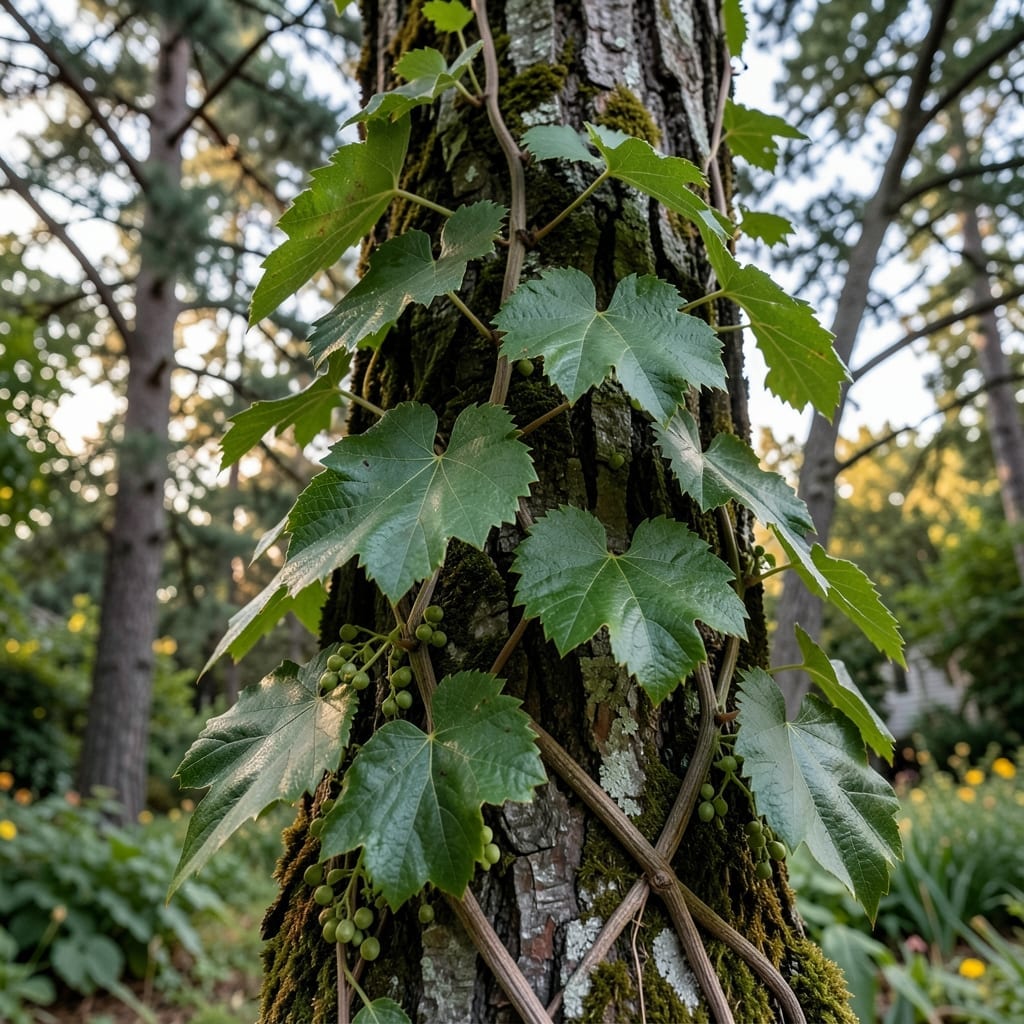
Those three-lobed leaves might look like poison ivy, but wild grape vine is a harmless twin with a sweet surprise. Its leaves are significantly larger, and the vine eventually produces clusters of edible fruit, setting it apart from its irritating lookalike.
You’ll often find it climbing trees or sprawling across forest floors, thriving in partial to full sun. Unlike poison ivy, its bark peels in long strips, and its fruit attracts wildlife, making it a valuable addition to natural landscapes.
Perfect for foragers and gardeners who want to identify safe, productive plants in the wild without the worry of a rash. 🌿
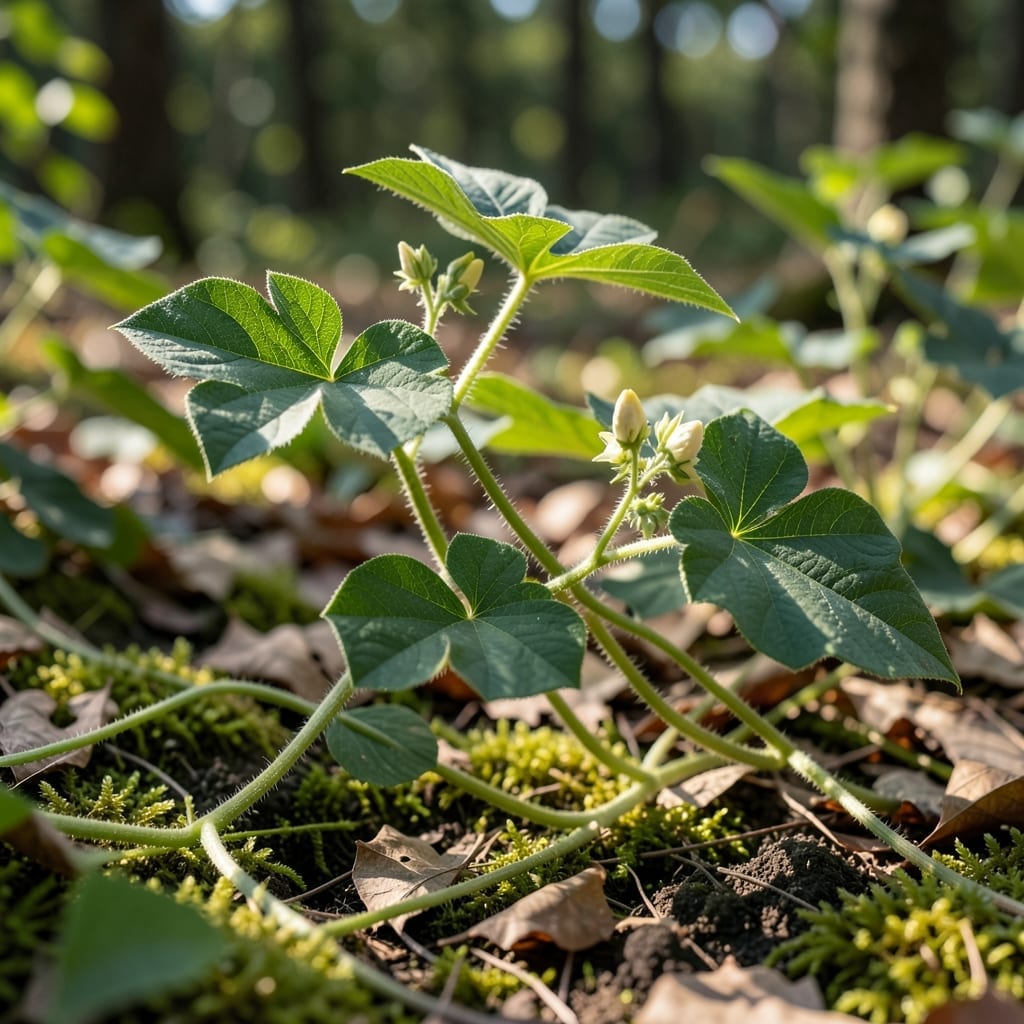
Don’t let the three leaflets fool you—hog peanut vine is a harmless twin with a tasty secret. Unlike poison ivy, this trailing plant produces edible peanuts and has a delicate, hairy stem that sets it apart.
You’ll find it sprawling across forest floors, thriving in partial shade to full sun. Its tiny white flowers give way to small, peanut-like tubers that are safe to eat when properly prepared. The vine’s soft, fuzzy texture is a key difference from poison ivy’s smooth stems.
Perfect for foragers and gardeners who want to identify safe, productive plants in the wild without the worry of skin irritation. 🌱
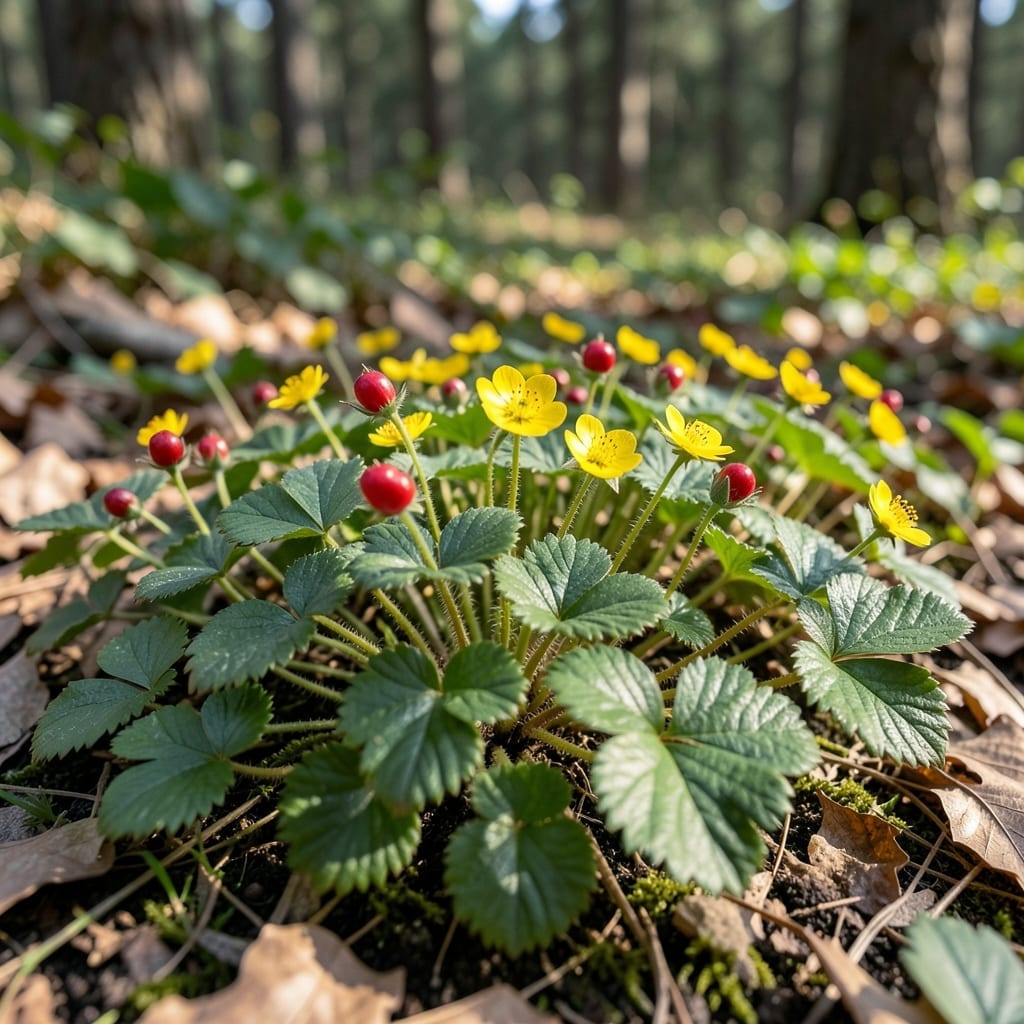
Those three-leaflet clusters might make you step back, but mock strawberry is a harmless ground cover with a charming surprise. Unlike poison ivy, it produces bright yellow flowers followed by small, inedible red berries that add a pop of color to your landscape.
This low-growing plant thrives in partial shade to full sun, forming a dense mat that suppresses weeds. Its glossy green leaves and delicate blooms make it an attractive, non-toxic alternative for ground cover in gardens or wild areas.
Ideal for gardeners who want a safe, visually appealing plant that won’t cause skin irritation or require constant maintenance. 🌿
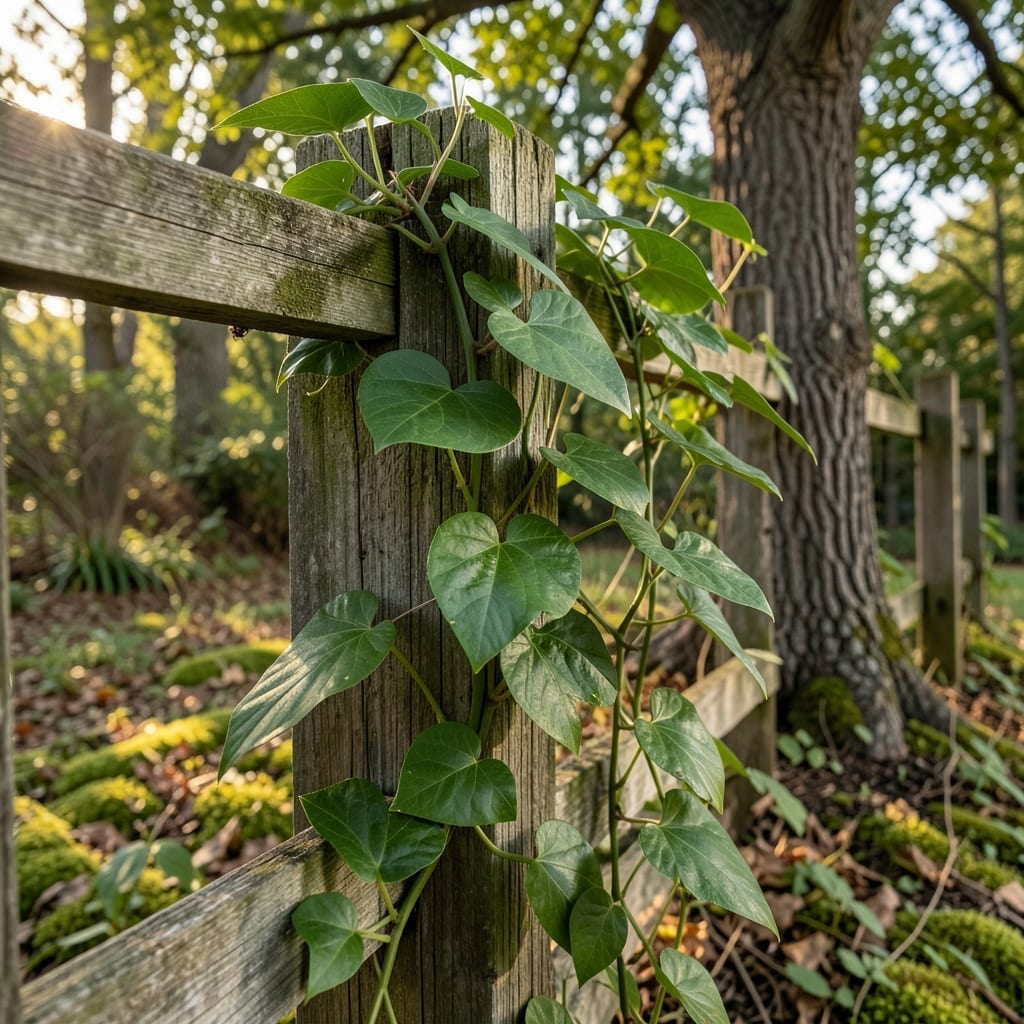
Don’t let the five-leaflet clusters trick you—woodbine vine is a harmless cousin of Virginia creeper. Unlike poison ivy, this fast-growing climber lacks the telltale red stems and won’t cause a rash when touched.
It thrives in partial to full sun, climbing trees, fences, or trellises with ease. The smooth-edged leaves turn vibrant shades of red and orange in fall, adding seasonal beauty to woodlands or gardens.
Ideal for gardeners who want a non-toxic, low-maintenance vine that adds vertical interest without the worry of skin irritation. 🌿
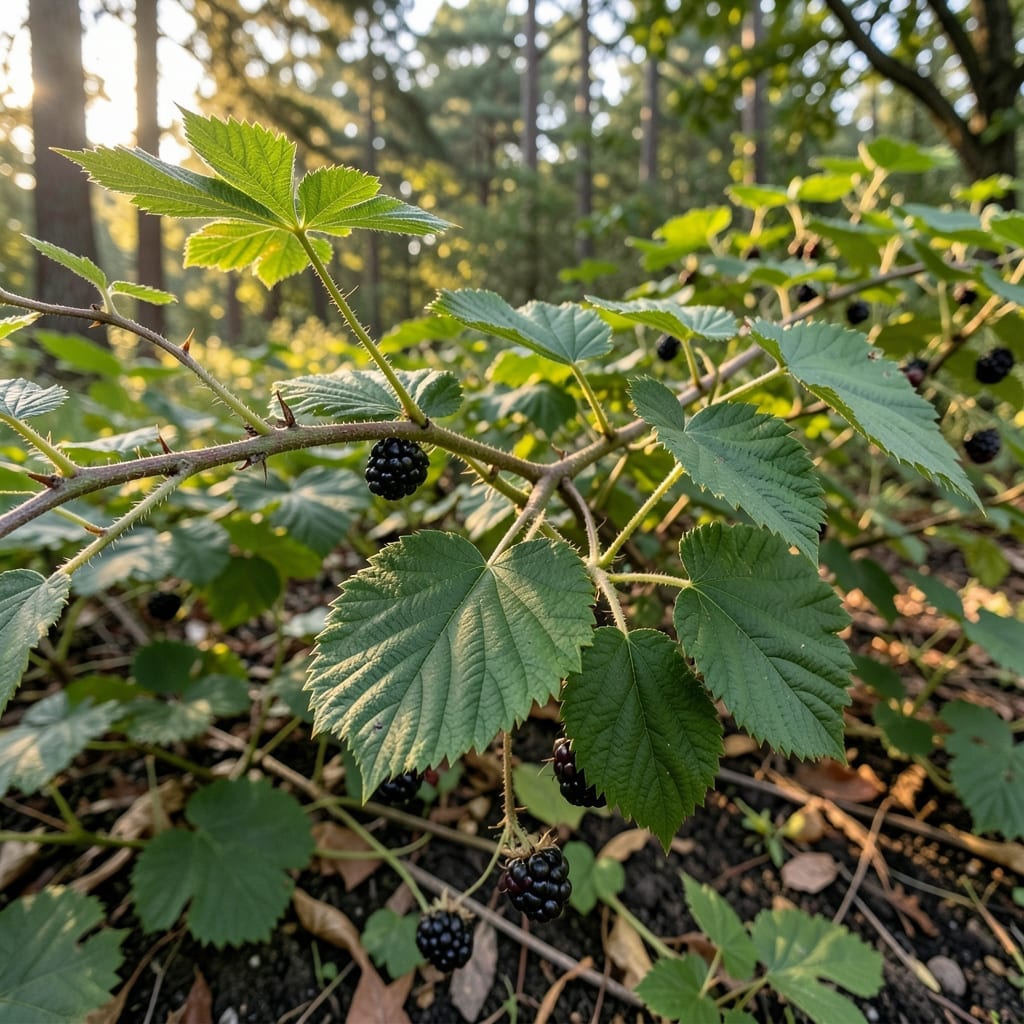
Those three leaflets might make you hesitate, but blackberry bramble is a harmless twin with a delicious reward. Young canes resemble poison ivy, but the leaves have noticeable serrations and the plant eventually produces sweet, edible fruit.
You’ll often find it in sunny woodland edges or along fence rows, thriving in well-drained soil. Unlike its irritating lookalike, blackberry bramble’s stems are typically thorny, and its white flowers in spring are a sure sign you’re in for a treat, not a rash.
Perfect for foragers and gardeners who want to identify safe, productive plants in the wild without the worry. 🌿