
Beautiful Plants For Your Interior
Beautiful Plants For Your Interior
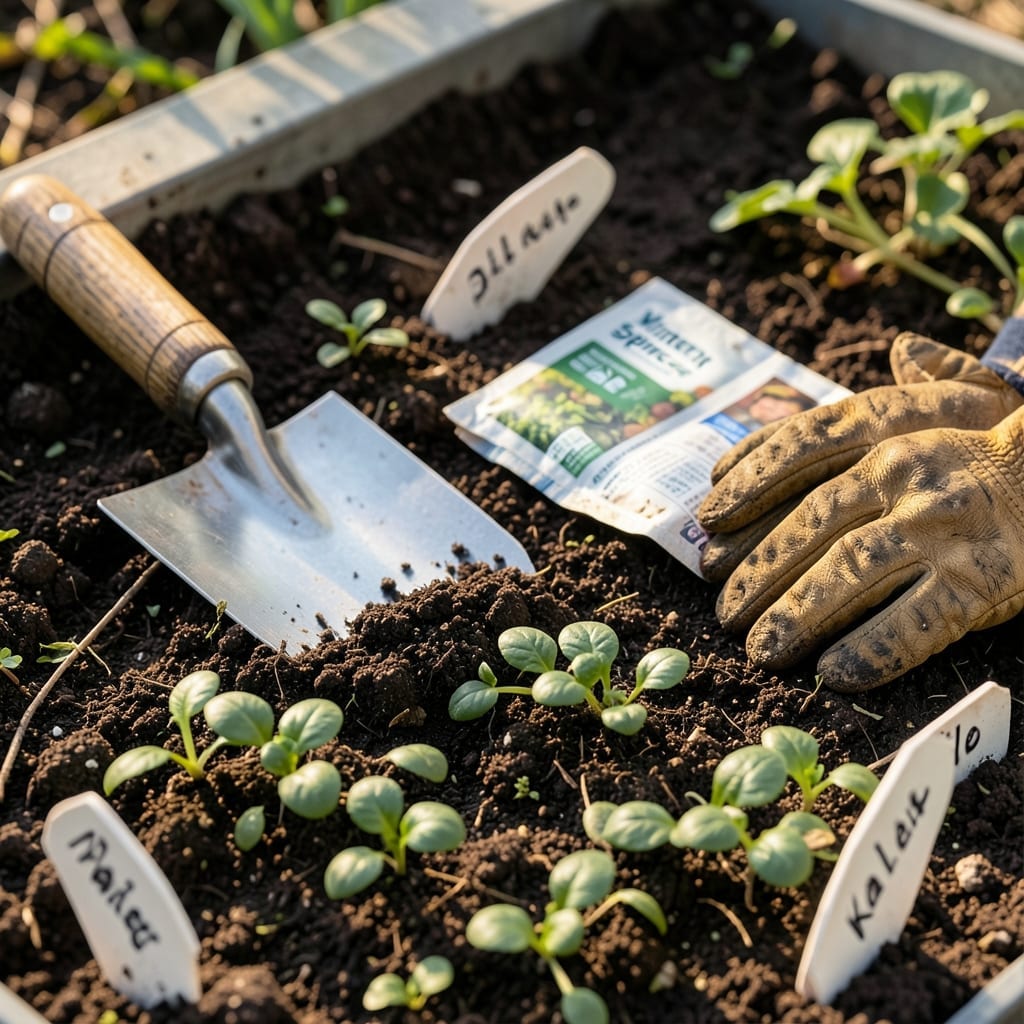
Winter doesn’t have to mean the end of your gardening season—you can actually get a head start on spring with the right approach. Planting the 🌱 General Seeds during colder months can yield stronger, more resilient growth when warmer weather arrives.
In Zone 6, late winter is the perfect time to begin indoor planting. This method protects young seedlings from harsh conditions while preparing them for transplanting later.
Let me show you how to select the best varieties and techniques to make winter planting a success. You’ll be surprised how simple it can be.
Winter planting isn’t just possible—it’s a game-changer for early spring harvests. The key is choosing cold-hardy varieties that can handle frost and even thrive in cooler temperatures.
I’ve found that vegetables like spinach, kale, and peas are excellent choices. These plants can germinate in soil as cold as 40°F, giving you a jump on the growing season. 🌱
| Variety | Cold Tolerance | Best Planting Time |
|---|---|---|
| Spinach | Down to 20°F | 4-6 weeks before last frost |
| Kale | Down to 20°F | 6-8 weeks before last frost |
| Peas | Down to 25°F | As soon as soil can be worked |
| Carrots | Down to 28°F | 3-5 weeks before last frost |
For flower lovers, pansies and sweet alyssum are winter champions. They can survive light frosts and will bloom early when spring arrives. These are perfect for adding color to your garden while it’s still chilly.
Don’t forget about herbs like cilantro and dill. These can be started indoors or in protected outdoor spaces. They grow quickly and can be harvested before the heat of summer sets in.
When selecting seeds, always check the seed packet for specific cold tolerance information. Some varieties are bred specifically for winter planting and will outperform others in your climate.
I recommend starting with easy-to-grow varieties if you’re new to winter planting. Lettuce and radishes are forgiving and quick to mature, giving you confidence-boosting results in just a few weeks.
Remember that soil temperature is crucial. Use a soil thermometer to ensure conditions are right. Most winter seeds need 40-50°F soil to germinate properly. If your soil is too cold, consider starting seeds indoors.
For the best results, prepare your soil in advance. Add compost or other organic matter in the fall. This improves drainage and provides the nutrients your seeds will need to grow strong.
Finally, don’t overlook protection methods. Cold frames or row covers can extend your planting season by several weeks. These simple structures shield young plants from harsh conditions while still allowing light and air circulation. 🌿
Winter seed planting requires special techniques to ensure success. I always start by preparing the soil properly, even in cold months. Loosen the earth and mix in compost for better drainage and nutrient content.
For direct sowing, choose a day when the soil isn’t frozen. Plant seeds slightly deeper than you would in spring to protect them from temperature swings. This method works best for cold-hardy varieties like peas and spinach.
When starting indoors, I recommend using seed-starting mix rather than regular potting soil. This lighter medium promotes better drainage and reduces the risk of damping-off disease which can affect young seedlings.
For cold frames, position them in a sunny location and angle the lid to capture maximum sunlight.
Watering schedules differ in winter. I water less frequently but ensure the soil stays evenly moist. Overwatering in cold conditions can lead to root rot. Use a spray bottle for gentle watering of young seedlings.
Finally, monitor weather forecasts closely. If a hard freeze is predicted, cover outdoor plantings with frost blankets or move containers to a sheltered location. This extra protection can make the difference between success and failure in winter planting. 🌱