
Beautiful Plants For Your Interior
Beautiful Plants For Your Interior
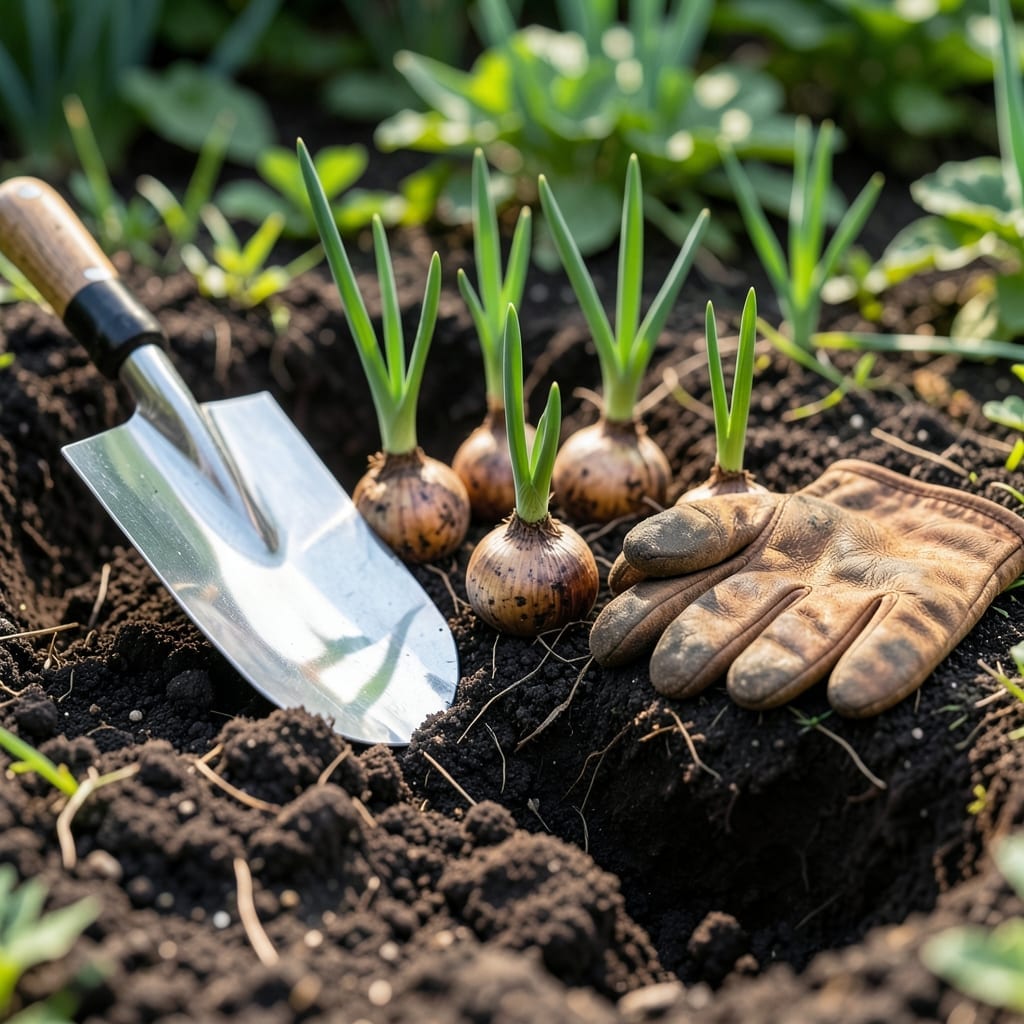
Planting Iris 🌸 bulbs in fall is your ticket to a breathtaking spring display. I’ve seen gardens transform with this simple timing trick, and you can too.
Fall planting gives these hardy perennials the perfect window to establish roots before winter. In zone 6a, September through October is ideal for setting them up for success.
Let me walk you through the easiest way to get vibrant blooms that will make your yard the talk of the neighborhood. You’ll be amazed at the difference proper timing makes.
Timing is everything when it comes to planting iris bulbs for those stunning spring blooms. In most regions, fall planting gives irises the perfect head start to establish roots before winter dormancy.
For USDA zones 3-9, the ideal window is 6-8 weeks before the first hard frost. This typically means September through early November, depending on your local climate.
| USDA Zone | Ideal Planting Months | Soil Temperature |
|---|---|---|
| 3-4 | Late August – September | 50-60°F |
| 5-6 | September – October | 55-65°F |
| 7-9 | October – Early November | 60-70°F |
I always check the soil temperature before planting—it should be consistently below 70°F but above 40°F. This range encourages root growth while preventing premature sprouting.
In zone 6a, where I garden, late September through mid-October works perfectly. The bulbs get enough time to develop strong roots before the ground freezes.
If you’re in a warmer climate like zone 9, you can push planting into November. Just ensure bulbs get at least 4-6 weeks of growing time before cold sets in.
For colder areas like zone 3, aim for early September planting. The earlier start helps bulbs establish before the harsh winter arrives.
Remember, soil prep is just as important as timing. I always amend my beds with compost for better drainage and nutrient content.
One pro tip: Water deeply after planting to help settle the soil and eliminate air pockets around the bulbs. This encourages faster root establishment.
Finally, resist the urge to plant too late. If the ground is already freezing or frosty, wait until spring. Late fall planting without proper root time often leads to poor blooms.
With the right timing and care, you’ll be rewarded with spectacular iris blooms that make all your gardening efforts worthwhile 🌿
Fall is the perfect season to plant iris bulbs for a spectacular spring show. I always start by selecting a sunny location with well-draining soil to prevent rot and encourage healthy growth.
The first step is soil preparation. I loosen the earth to about 12 inches deep and mix in compost or aged manure for added nutrients. This gives the bulbs a rich environment to establish roots.
When planting, I ensure the iris bulbs are placed with their pointed ends up and 4-6 inches deep. This depth protects them from freezing temperatures while allowing roots to spread easily.
I always space my bulbs about 12-24 inches apart to give them room to grow and prevent overcrowding. Proper spacing also improves air circulation, reducing the risk of fungal diseases.
After planting, I water thoroughly to help the soil settle and encourage root growth. In colder regions, I add a 2-3 inch layer of mulch to insulate the bulbs from winter’s chill.
Avoid over-watering after the initial soak, as iris bulbs prefer moist but well-drained soil. Too much water can lead to rot, especially in poorly draining areas.
With these steps, you’ll set your iris bulbs up for vibrant spring blooms that will brighten your garden for years to come 🌷