
Beautiful Plants For Your Interior
Beautiful Plants For Your Interior
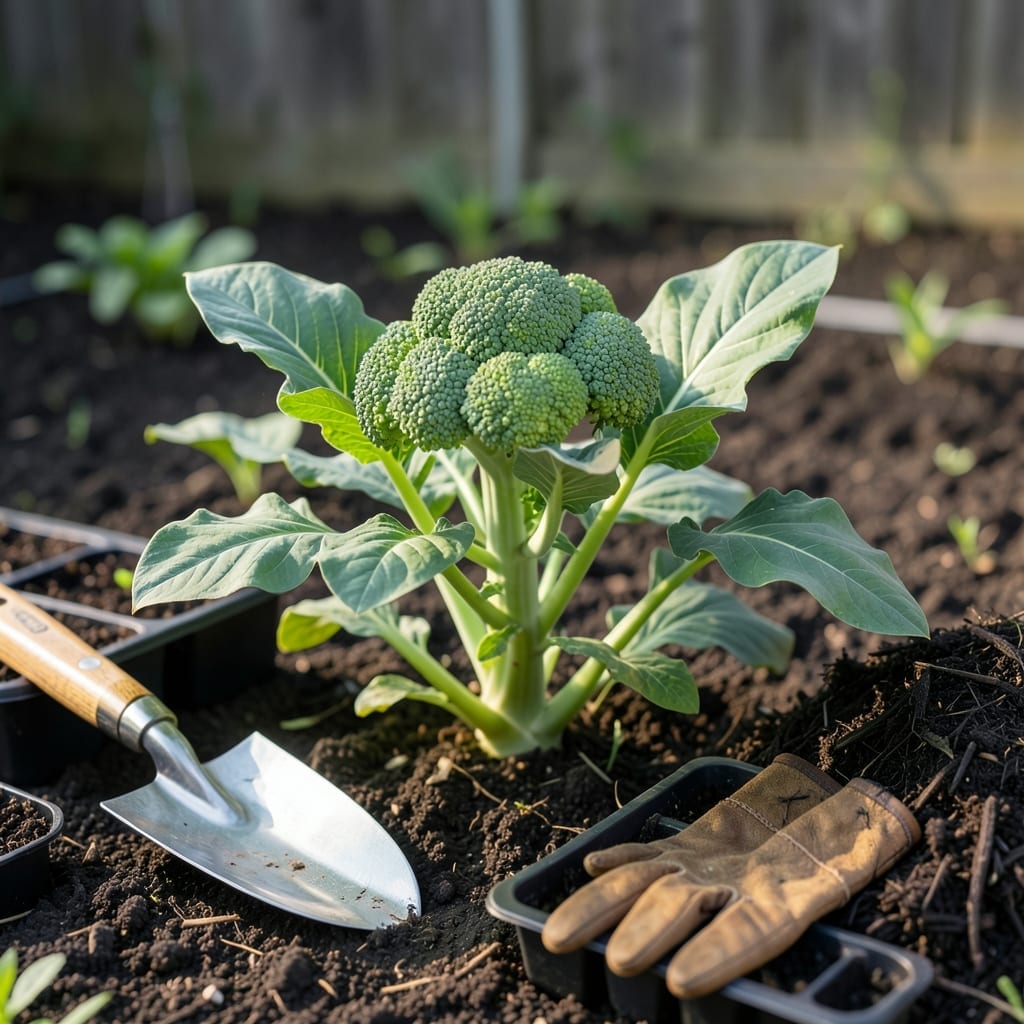
Zone 7A gardeners have a special advantage: nearly year-round planting opportunities. But timing is everything when it comes to sowing and harvesting.
With 215 frost-free days, you can maximize your garden’s potential. I’ll show you how to align your planting with the seasons for the best results.
From cool-season crops in early spring to warm-season favorites in summer, discover the ideal schedule for your 🌱 General garden.
As a Zone 7A gardener, I know our 215 frost-free days give us a fantastic growing window. But success depends on planting at the right time for each season.
Our last frost typically hits around April 15, while the first frost arrives near November 15. This long season lets us grow both cool and warm-season crops effectively.
| Season | Plant Type | Ideal Months |
|---|---|---|
| Early Spring | Cool-season crops | March-April |
| Late Spring | Warm-season crops | May |
| Summer | Heat-tolerant varieties | June-July |
| Fall | Cool-season crops | August-September |
In early spring, I focus on cool-season vegetables like lettuce, spinach, and peas. These thrive in the cooler temperatures before our last frost date.
These crops can often tolerate light frosts, making them perfect for our March and April planting windows. I always check soil temperature before sowing.
Once we pass the last frost date, it’s time for warm-season crops. Tomatoes, peppers, and beans love our Zone 7A summers and will produce abundantly.
I recommend starting tomato seedlings indoors about 6-8 weeks before the last frost. This gives them a head start for our May transplanting window.
For summer planting, I focus on heat-tolerant varieties. Okra, sweet potatoes, and black-eyed peas handle our hot summers beautifully.
These crops can be direct-sown in June and July for a late summer and fall harvest. I always ensure they get consistent moisture during our hottest months.
As temperatures cool in late summer, I plant another round of cool-season crops. Kale, carrots, and radishes do well when planted in August and September.
These will mature before our first frost in November, giving me fresh produce well into fall. I often use row covers to extend the season even further.
Remember, succession planting is key in Zone 7A. By staggered planting, I ensure a continuous harvest throughout our long growing season 🌱
In Zone 7A, our mild winters and hot summers create ideal conditions for a wide variety of plants. I’ve found these crops consistently thrive in our unique climate.
From vegetables to flowers, selecting the right varieties makes all the difference. Here are my top picks for high-yield, low-maintenance plants that love our 215 frost-free days.
For vegetables, I always recommend tomatoes and peppers. These warm-season crops love our long summers and produce abundantly with proper care.
Okra is another favorite—it handles our heat waves better than most. I plant it in June for a late summer harvest that continues until frost.
When it comes to cool-season crops, kale and spinach are my go-to choices. They tolerate light frosts and can even sweeten after a cold snap.
For flowers, zinnias and marigolds are winners. They attract pollinators and bloom nonstop until the first frost. I deadhead them regularly to encourage more blooms.
Don’t forget herbs like basil and rosemary. These thrive in our climate and add both beauty and utility to the garden 🌿