
Beautiful Plants For Your Interior
Beautiful Plants For Your Interior
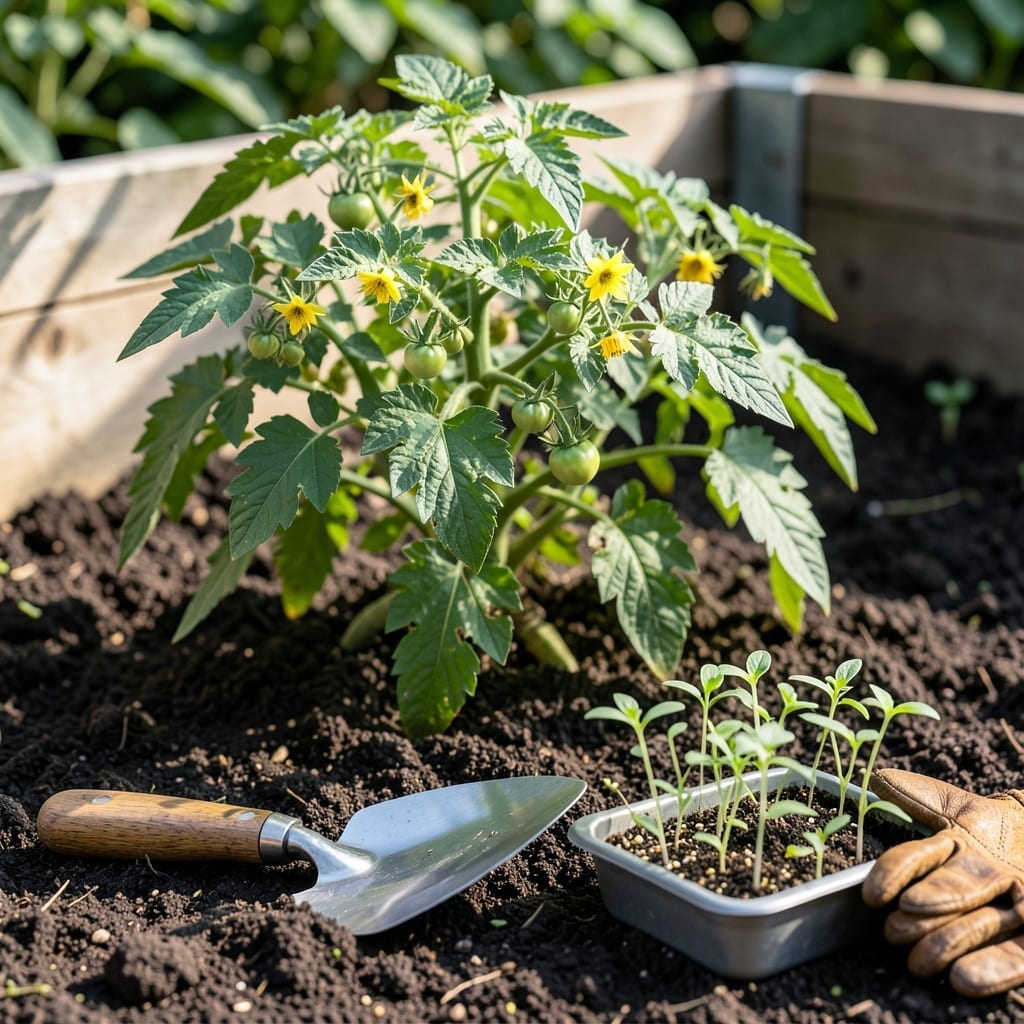
Zone 7 gardeners have a special advantage with a climate that supports an extended growing season. The 🌱 General Planting Calendar helps you make the most of this opportunity.
From early spring to late fall, you can cultivate a diverse range of crops. Knowing the right timing for each plant is the key to a bountiful harvest.
I’ll walk you through the optimal planting windows, frost dates, and seasonal strategies. Discover how to plan your garden for maximum success all year round.
In Zone 7, the growing season is long and productive, but timing is everything. I start my cool-season crops like lettuce and spinach in early spring, right after the last frost around April 15. This gives them a head start before summer heat sets in.
For warm-season plants like tomatoes and peppers, I wait until the soil warms up in late April or early May. This ensures they thrive in the consistent warmth of Zone 7 summers 🌱
| Season | Plants | Planting Window |
|---|---|---|
| Early Spring | Lettuce, Spinach, Peas | March – April |
| Late Spring | Tomatoes, Peppers, Beans | May |
| Summer | Cucumbers, Squash, Corn | June – July |
| Fall | Kale, Carrots, Radishes | August – September |
| Winter | Garlic, Onions | October – November |
I always mark my calendar for the first frost around November 1, which signals the end of the growing season for most annual plants. However, cold-hardy crops like kale and brussels sprouts can handle light frosts and even taste sweeter after a touch of cold.
For herbs, I plant basil and cilantro in late spring, while rosemary and thyme can go in the ground in early fall. These perennial herbs often survive mild Zone 7 winters with a little protection 🌿
I’ve found that succession planting works wonders in Zone 7. After harvesting early crops like radishes or lettuce, I replant the space with bush beans or zucchini for a continuous harvest. This keeps my garden productive all season long.
Don’t forget about flowers! I plant marigolds and zinnias in late spring to attract pollinators and add color to my garden. They also help deter pests naturally, which is a bonus for any organic gardener.
Soil temperature is key in Zone 7. I use a soil thermometer to check that the ground is at least 60°F before planting warm-season crops. This simple step prevents stunted growth and ensures a strong start ✂️
Finally, I always keep a garden journal to track what I plant and when. This helps me refine my planting calendar each year based on what worked—and what didn’t. Over time, you’ll develop a customized schedule that’s perfect for your Zone 7 garden.
In Zone 7, some plants simply thrive better than others. I’ve found tomatoes and peppers are garden staples, producing abundant harvests with proper care. These warm-season crops love the long, hot summers we enjoy here.
For cool-season crops, lettuce, spinach, and kale are my go-to choices. They tolerate light frosts and can even be sweeter after a cold snap. I plant these in early spring and again in late summer for a fall harvest 🌱
I always include green beans in my garden—they’re incredibly easy to grow and produce all season long. Both bush and pole varieties do well in Zone 7, but I prefer pole beans for their vertical growth habit, which saves space.
For herbs, basil is a must. It pairs perfectly with tomatoes and peppers, both in the garden and in the kitchen. I also grow rosemary and thyme, which are perennial in our zone and come back year after year with minimal care.
Carrots and radishes are great for beginners. They’re quick to mature and can be planted in both spring and fall. I love how radishes are ready to harvest in just 30 days, making them a gratifying choice for impatient gardeners 🌿
Don’t overlook squash and cucumbers—these summer favorites produce heavily in Zone 7. Just give them plenty of space to sprawl, or train them up a trellis to save room. I’ve had great success with both zucchini and yellow squash varieties.
Lastly, I always recommend trying a few unusual varieties each year. Last season, I grew purple carrots and blue potatoes, which added fun colors to my garden and meals. Experimenting keeps gardening exciting and helps you discover new favorites for your Zone 7 garden ✂️