
Beautiful Plants For Your Interior
Beautiful Plants For Your Interior
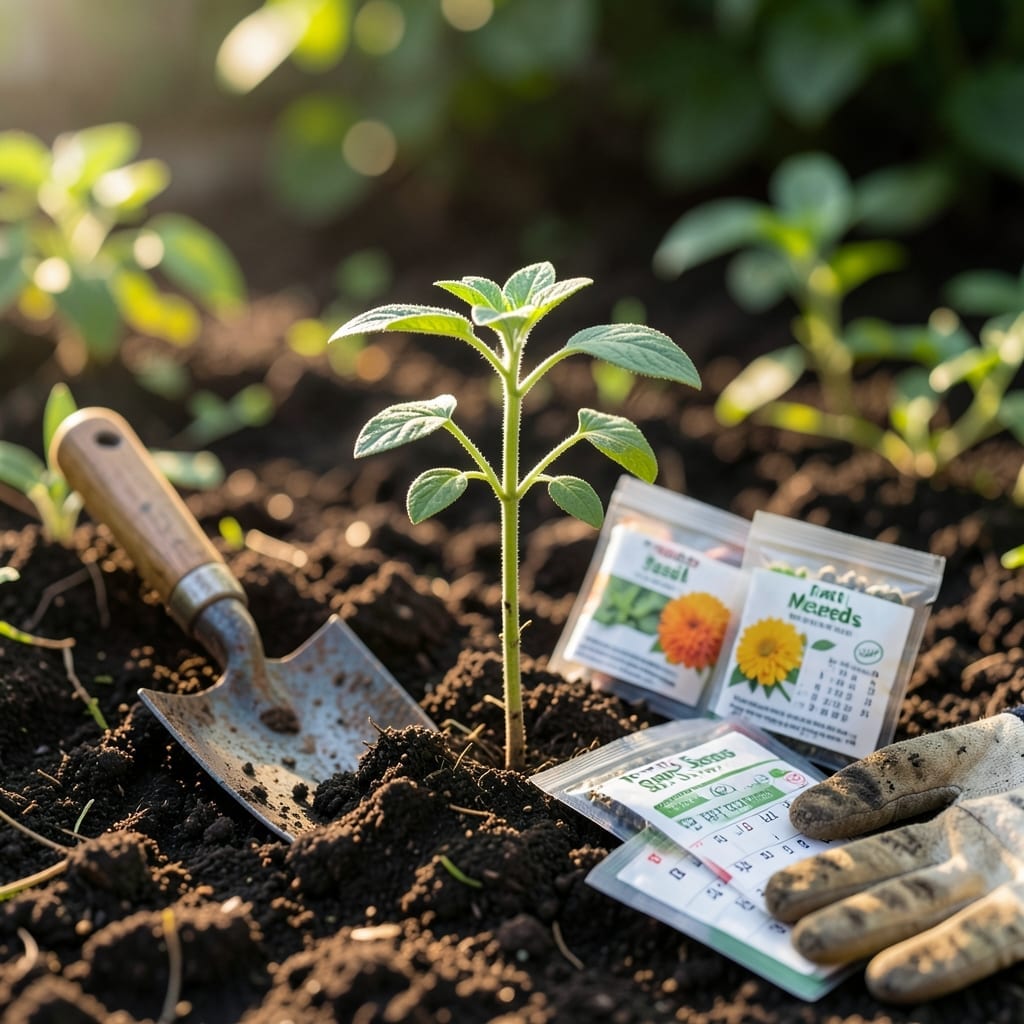
Timing is everything when it comes to growing a thriving garden. I’ve learned that general advice often falls short because every location has its own rhythm.
What if you could sync your planting with your area’s exact climate needs? A zip code-specific approach removes the uncertainty, giving you more efficient results.
Discover how to align your planting schedule with local frost dates and growing conditions. Let’s make this season your most productive yet.
I’ve found that generic planting advice often misses the mark because climate varies dramatically by location. A zip code-specific calendar accounts for your exact frost dates and growing season.
Using this tool, you’ll know precisely when to start seeds indoors or transplant outdoors. It’s like having a local gardening expert in your pocket. 🌱
Start by identifying your USDA Hardiness Zone, which divides the country into areas with similar minimum temperatures. This is your foundation for timing.
Next, locate your average last frost date. In Zone 6, this is typically April 15. This date signals when it’s safe to plant frost-sensitive crops like tomatoes and peppers.
Don’t forget the first frost date, around October 15 in Zone 6. Count backward from this date to schedule fall plantings of kale or spinach. ✂️
Soil temperature matters too. Use a soil thermometer to confirm it’s warm enough—60°F for most warm-season crops. Cold soil can delay germination or rot seeds.
For cool-season crops like lettuce and peas, you can plant earlier. These thrive in 50-60°F soil and can handle light frosts. 🌿
Microclimates in your yard can shift dates by weeks. South-facing walls or urban heat islands may allow earlier planting. Observe your space and adjust accordingly.
Finally, keep a garden journal to track your local conditions. Note when you plant, when sprouts appear, and any weather anomalies. This personal data refines your calendar over time.
I always remind gardeners that not all plants thrive in every climate. Your zip code unlocks the exact planting windows for vegetables, herbs, and flowers. 🌱
Warm-season crops like tomatoes and peppers need soil above 60°F. In Zone 6, this usually means planting after April 15, your last frost date.
| Crop | Zone 6 Start | Zone 9 Start |
|---|---|---|
| Tomatoes | April 15 | February 15 |
| Lettuce | March 1 | October 1 |
| Peppers | April 20 | February 20 |
Cool-season crops like spinach and kale can be planted earlier in spring or late summer for a fall harvest. In Zone 6, start these in March or August. ✂️
Herbs like basil and cilantro prefer warmer soil. Wait until after your last frost, typically mid-April in Zone 6, to avoid cold damage.
Flowers also have ideal windows. Marigolds and zinnias thrive when planted after the soil warms, usually late April in Zone 6. These add color and pest protection.
For perennials, timing varies. Asparagus crowns go in early spring, while daylilies can be planted in spring or fall. Always check your local conditions. 🌿