
Beautiful Plants For Your Interior
Beautiful Plants For Your Interior
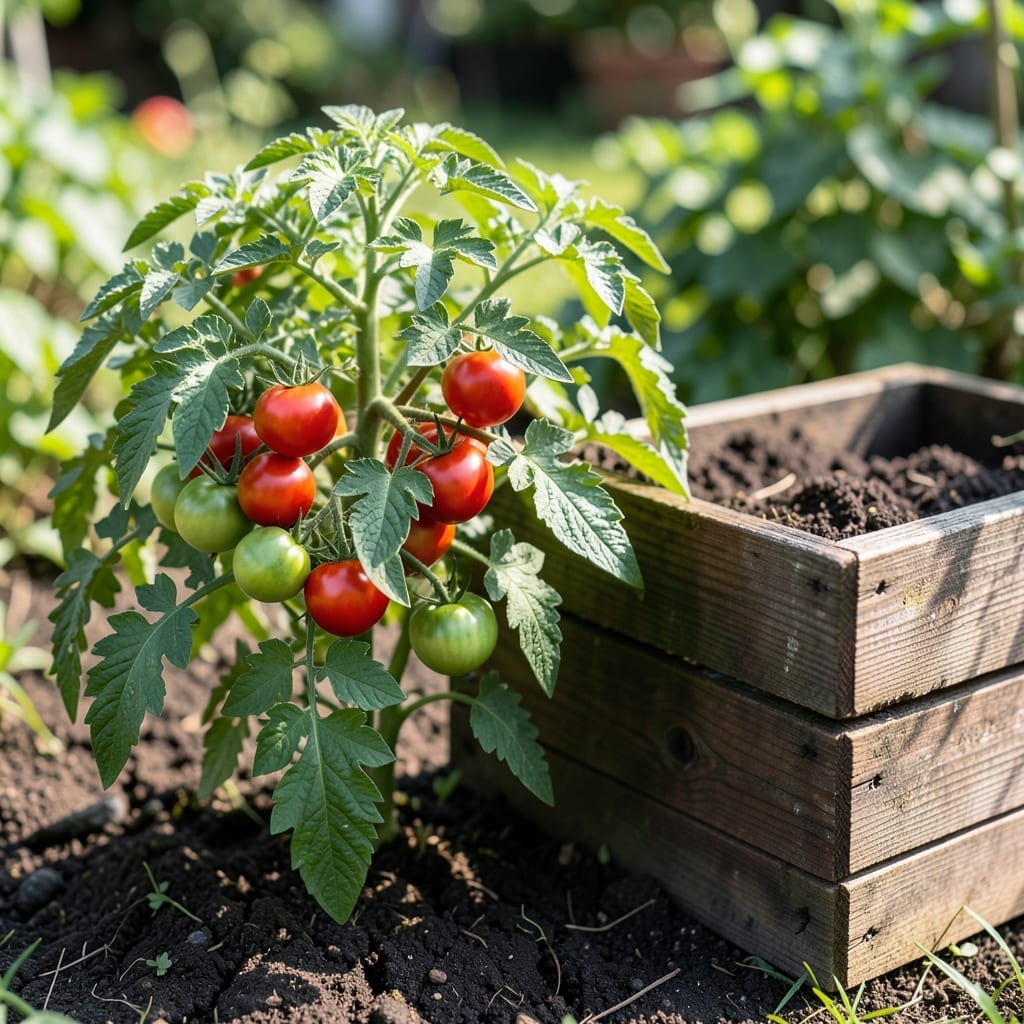
Choosing the right height for your 🪴 Planter Box can transform gardening from a back-breaking chore to a joyful experience. Proper elevation dramatically reduces strain while improving accessibility.
Whether you’re planting flowers, herbs, or vegetables, the elevation affects everything from root development to your comfort. I’ve seen how the wrong height turns a simple task into a struggle.
From wheelchair-accessible designs to standing-level boxes, there’s an ideal height for every gardener. The key is matching your Planter Box to your specific needs and space.
Discover how to create the perfect setup that makes tending your garden easier than ever before. Let’s dig into the details that matter most.

Getting your planter box height right means the difference between back pain and gardening joy. The ideal elevation depends on how you’ll use it and what you’re growing.
For most gardeners, a 2-3 foot height works perfectly for standing access. This reduces bending while allowing easy reach to the center of the box.
For root vegetables like carrots or potatoes, you’ll need deeper boxes (at least 12 inches of soil depth). Shallower boxes work for leafy greens and herbs.
I always recommend measuring from the ground to your wrist when standing naturally. This gives you the perfect height for comfortable access without straining.
ADA standards suggest 24-34 inches for accessible gardens. This range accommodates most mobility needs while allowing proper drainage and root growth.
Remember that material choice affects height too. Wooden boxes can be built taller, while metal or plastic may have stability limits at greater heights.
For raised bed gardens, multiple boxes at different heights can create a beautiful tiered effect while serving different purposes in your landscape.
I’ve found that adjustable height systems work well for seasonal changes. You can lower boxes in summer for easier access or raise them in winter for better drainage.
Finally, consider your garden’s location. Boxes in full sun might need slightly more height for air circulation, while shaded areas can use lower profiles.
Proper height makes all the difference in your gardening enjoyment and plant health 🪴
Selecting the ideal planter box height starts with understanding your specific gardening needs. I always consider my own height and mobility first—what feels comfortable for me may not work for others. Standing-height boxes work well for most adults.
For those with limited mobility, sitting-level or raised designs reduce bending and strain. I’ve found that wheelchair-accessible planters should be about 24-30 inches tall for easy access. This makes tending to plants effortless. 🪴
For root vegetables like carrots or potatoes, I recommend a minimum 12-inch depth to accommodate growth. Leafy greens and herbs can thrive in shallower 6-8 inch boxes, making them perfect for raised designs.
If you’re placing your planter on a balcony or patio, check weight limits and stability. I’ve learned that taller boxes can become top-heavy, so securing them to walls or using sturdy materials is essential. ☀️
Test your height before building or buying. Stand next to a surface at your preferred level and simulate planting motions. If it feels natural, you’ve found your sweet spot. I always measure twice to avoid adjustments later.
Finally, remember that aesthetic appeal matters too. A well-proportioned planter box can enhance your garden’s visual harmony while serving its practical purpose. It’s amazing how the right height can elevate both function and form. 🌿