
Beautiful Plants For Your Interior
Beautiful Plants For Your Interior
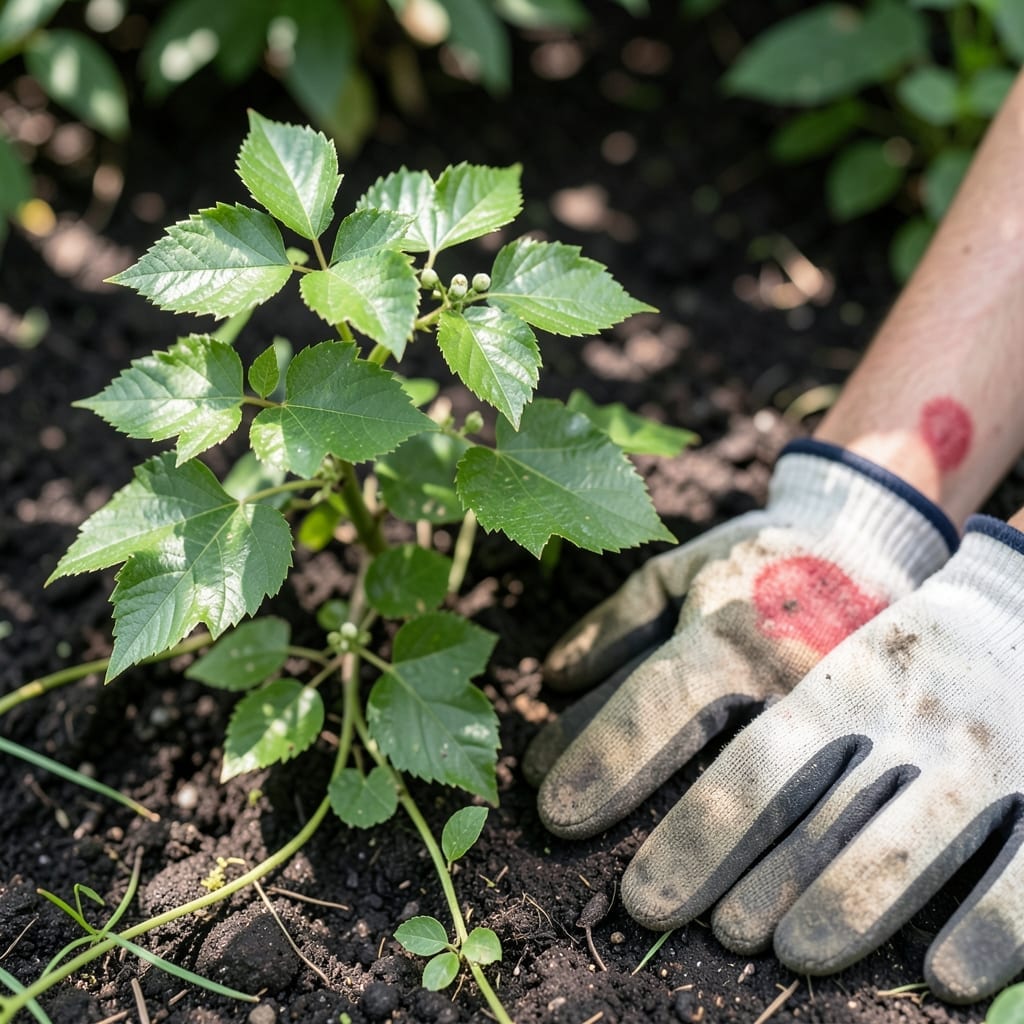
That itchy red rash after weeding isn’t just dirt. I learned the hard way that some plants pack serious skin irritants, turning a peaceful afternoon in the garden into an uncomfortable lesson in plant defense mechanisms.
The usual suspects—poison ivy, sumac, and oak—get all the attention, but even common garden favorites can trigger reactions. Within 12-48 hours, you might see blisters, swelling, or a rash that seems to spread with every scratch.
Here’s the thing—prevention beats treatment every time. Long sleeves, gloves, and immediate soap-and-water washing after contact can save you days of discomfort. The right approach lets you keep gardening without fear.
We’ll cover how to spot the culprits, soothe the symptoms, and garden safely. No more guessing games with your skin.
Plant skin allergies occur when your immune system overreacts to certain substances found in plants. These reactions are typically triggered by direct contact with the plant’s sap, pollen, or oils. Below are the most common causes, explained in scientific terms.
Plants like poison ivy, poison oak, and poison sumac contain urushiol, a colorless oil that binds to skin proteins. Your immune system recognizes this complex as a threat, triggering an allergic response—redness, itching, and blisters. Even indirect contact (e.g., touching contaminated clothing or pet fur) can cause a reaction.
Some people develop contact dermatitis from pollen or tiny plant particles in the air. When these allergens land on skin, especially broken or sensitive areas, the immune system releases histamine, leading to inflammation, rashes, or hives. Common culprits include ragweed, chrysanthemums, and certain grasses.
Plants like mangoes, figs, and daisies contain enzymes (e.g., ficin in figs) that break down proteins in the skin. This can disrupt the skin barrier, making it easier for other allergens to penetrate and trigger an immune response. This is often seen in people with latex-fruit syndrome, where cross-reactivity occurs between plant and latex proteins.
Certain plants, such as giant hogweed or wild parsnip, contain furocoumarins, chemicals that increase skin sensitivity to sunlight (phytophotodermatitis). When exposed to UV light after contact, these compounds cause painful blisters and long-lasting pigmentation. Always wear gloves and long sleeves when handling such plants.
Dealing with a plant skin allergy can be frustrating, but there are simple, effective ways to relieve discomfort and prevent future flare-ups.
If you touch a problematic plant like poison ivy or stinging nettle, rinse the area with cool water and mild soap within 10 minutes. This removes the irritating oils (like urushiol) before they bind to your skin. Avoid hot water—it can open pores and worsen absorption.
Apply calamine lotion or hydrocortisone cream to reduce itching and inflammation. For a natural fix, try a cool compress or oatmeal paste (mix colloidal oatmeal with water). Do not scratch—it can lead to infection.
If you develop blisters, swelling, or difficulty breathing, see a doctor. They may prescribe oral antihistamines or steroids for severe cases. For persistent rashes, a dermatologist can recommend stronger topical treatments.
Small steps can make a big difference in managing and preventing plant-related skin reactions. Stay alert, and your skin will thank you!
Reactions typically develop within 12-48 hours after exposure. Mild cases may show redness or itching sooner, while blisters often take a full day to form.
No, the rash itself isn’t contagious, but scratching can cause infection. Fluid from blisters doesn’t spread it, but bacteria from your nails can worsen the area.
Yes—poison ivy, oak, and sumac contain urushiol, causing severe reactions. Giant hogweed can cause burns. Even common plants like chrysanthemums may trigger milder rashes.
Wear long sleeves and gloves when gardening. Wash skin immediately after contact with soap and cool water. Barrier creams can add extra protection.