
Beautiful Plants For Your Interior
Beautiful Plants For Your Interior
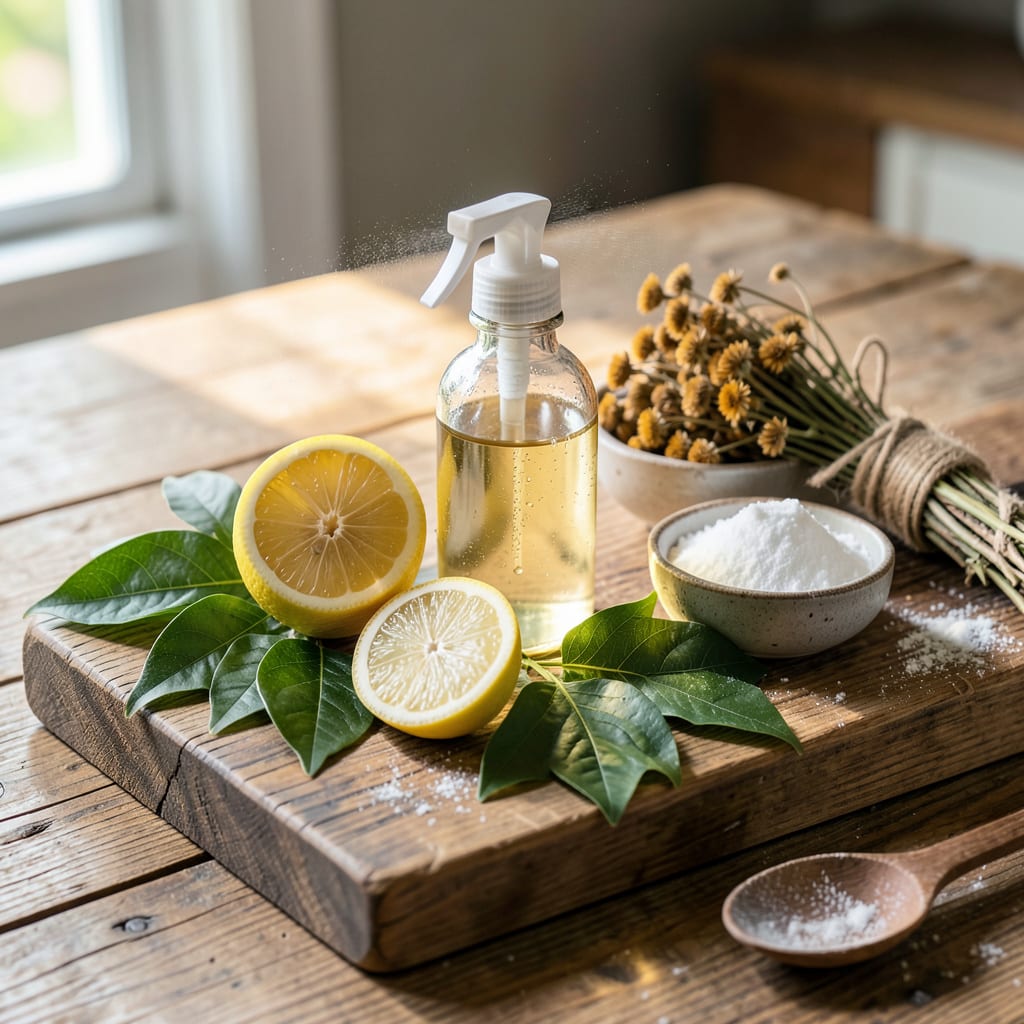
White powder on your plant leaves? I’ve been there—panicked, Googling at 2 AM. Turns out, a simple spray can save your greenery without harsh chemicals.
Mildew thrives in damp, still air, but a homemade mix of baking soda, water, and a drop of soap stops it in its tracks. I tested this on my zucchini last summer and watched the spots disappear within a week.
Your plants will bounce back with vibrant foliage, and you’ll avoid the guilt of using store-bought fungicides. Plus, the ingredients are probably already in your kitchen.
Works for roses, tomatoes, and even houseplants. Here’s how to mix and apply it right.
Understanding why mildew forms on your plants is the first step to tackling it effectively. Here are the most common causes, backed by science:
Mildew thrives in moist environments. When humidity exceeds 60%, fungal spores—like Powdery Mildew (Erysiphales order) or Downy Mildew (Peronosporaceae family)—germinate rapidly on leaf surfaces. Poor air circulation traps moisture, creating a breeding ground for these pathogens. Action: Use a dehumidifier or improve ventilation around houseplants.
Excess water in soil or on foliage encourages fungal growth. Overwatering saturates roots, reducing oxygen uptake and stressing the plant, while wet leaves provide a direct medium for spores to attach and spread. Action: Water only when the top inch of soil is dry, and avoid wetting the leaves.
Mildew spores activate in temperatures between 60–80°F (15–27°C). Sudden drops or spikes in temperature, especially at night, can create condensation on leaves, accelerating fungal development. Action: Maintain consistent temperatures and avoid placing plants near cold drafts or heat sources.
Dense foliage restricts airflow, trapping moisture and preventing leaves from drying quickly. This is especially problematic in indoor gardens or greenhouses. Action: Space plants adequately to allow air circulation and prune overgrown areas.
Shade-loving mildew thrives in low-light conditions. Sunlight not only helps evaporate moisture but also produces UV rays that can inhibit fungal spore germination. Action: Ensure plants receive their species-specific light requirements, and rotate pots for even exposure.
Tackling plant mildew doesn’t require harsh chemicals—simple, natural remedies can restore your plants’ health. Below are targeted solutions for common causes, along with prevention tips to keep mildew at bay.
Stagnant air traps moisture, creating a breeding ground for mildew. Fix: Space plants apart to allow airflow, and use a small fan on low to keep air moving. For indoor plants, open windows occasionally. Prevention: Avoid overcrowding and prune dense foliage to enhance circulation. 💡
Too much water saturates the soil and promotes fungal growth. Fix: Let the top inch of soil dry out before watering again. Use a moisture meter to gauge needs accurately. Prevention: Water at the base of the plant (not the leaves) and use pots with drainage holes. 🌡️
Shade and dim light weaken plants, making them more susceptible. Fix: Move potted plants to brighter spots or supplement with grow lights. For garden plants, trim nearby overgrowth to allow more light. Prevention: Rotate indoor plants weekly for even light distribution. ✨
Humid environments encourage mildew spores to thrive. Fix: Use a dehumidifier in indoor spaces or group plants with moisture-absorbing materials like charcoal. Prevention: Water early in the day so excess moisture evaporates quickly. 🎯
For existing mildew, a DIY spray of 1 teaspoon baking soda + 1 quart water + a few drops of dish soap can work wonders. Spray affected leaves weekly until the issue clears. Always test on a small area first!
Use the spray once a week until the mildew disappears. For prevention, apply every 2-3 weeks during humid seasons. Always spray in the morning so leaves dry quickly in sunlight.
Yes, but dilute it well—1 tablespoon white vinegar per gallon of water. Vinegar’s acidity can harm plants if too strong, so test on a small area first. Avoid using on delicate foliage.
Most remedies are safe for hardy plants like tomatoes or roses. However, sensitive plants (e.g., ferns or succulents) may react poorly. Always test on a single leaf and wait 24 hours before full application.
