
Beautiful Plants For Your Interior
Beautiful Plants For Your Interior
Mastering the watering routine for pink spider lilies ensures vibrant, long-lasting blooms. These ten essential tips will help you maintain the perfect moisture balance for healthy, thriving plants in your garden.
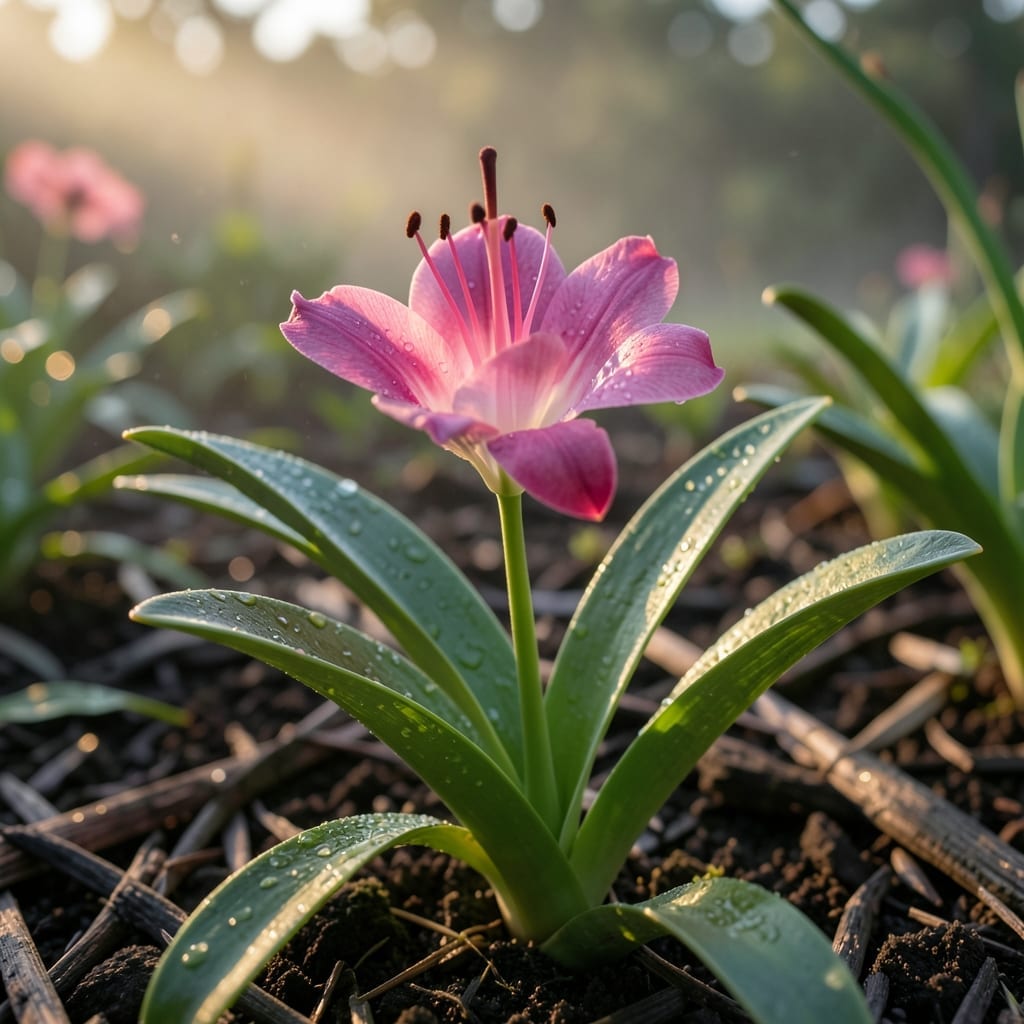
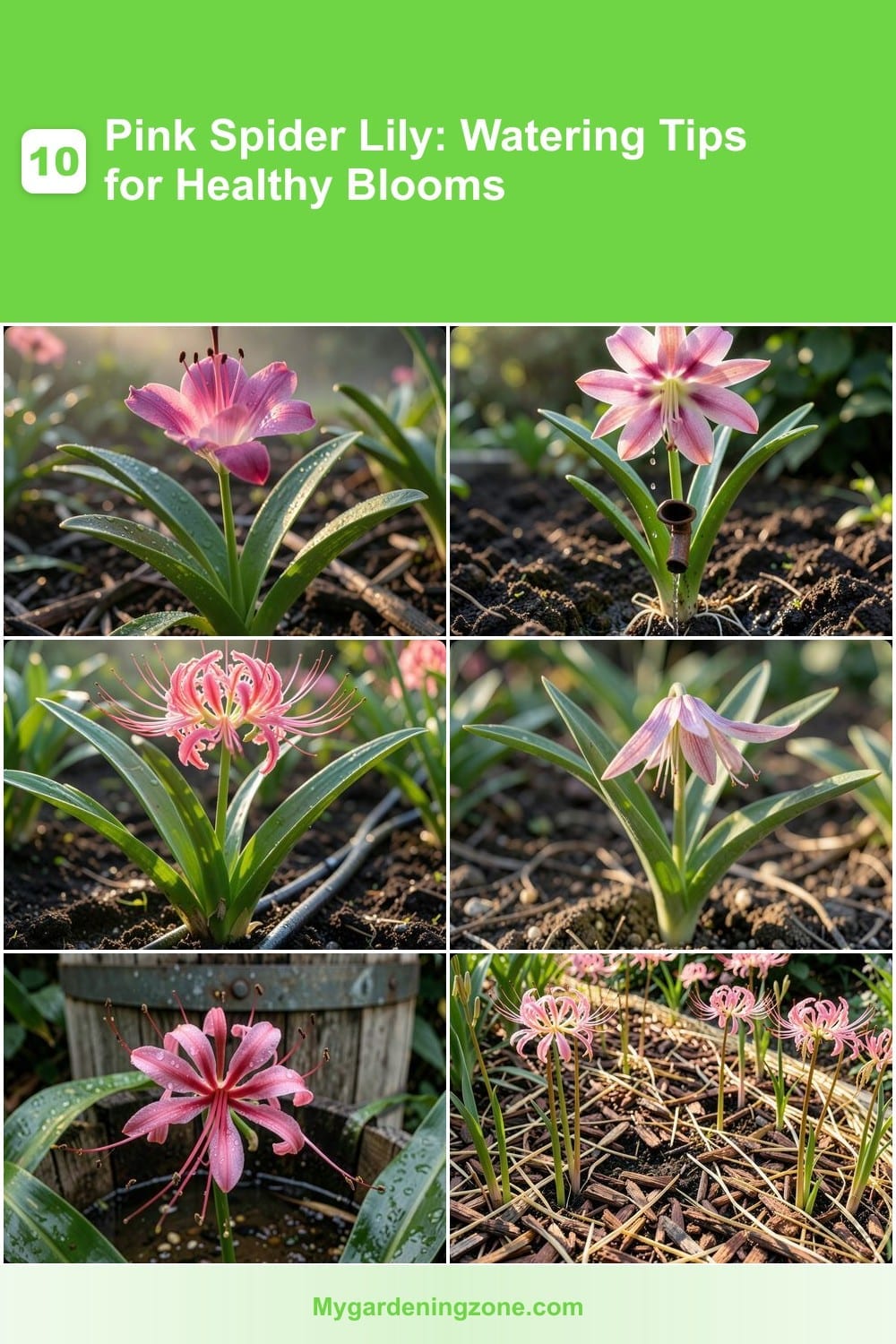
Start your day with a simple routine that gives your pink spider lily the best chance to thrive. Watering in the early morning allows foliage to dry quickly, reducing the risk of fungal diseases that often strike in humid climates.
This timing also minimizes evaporation loss, ensuring water reaches the roots where it’s needed most. In humid regions, evening watering can leave leaves damp overnight—perfect conditions for mold and mildew to take hold.
Gardeners in warm, moist areas will see the biggest benefits from this habit, keeping their plants healthy and vibrant. 🌱
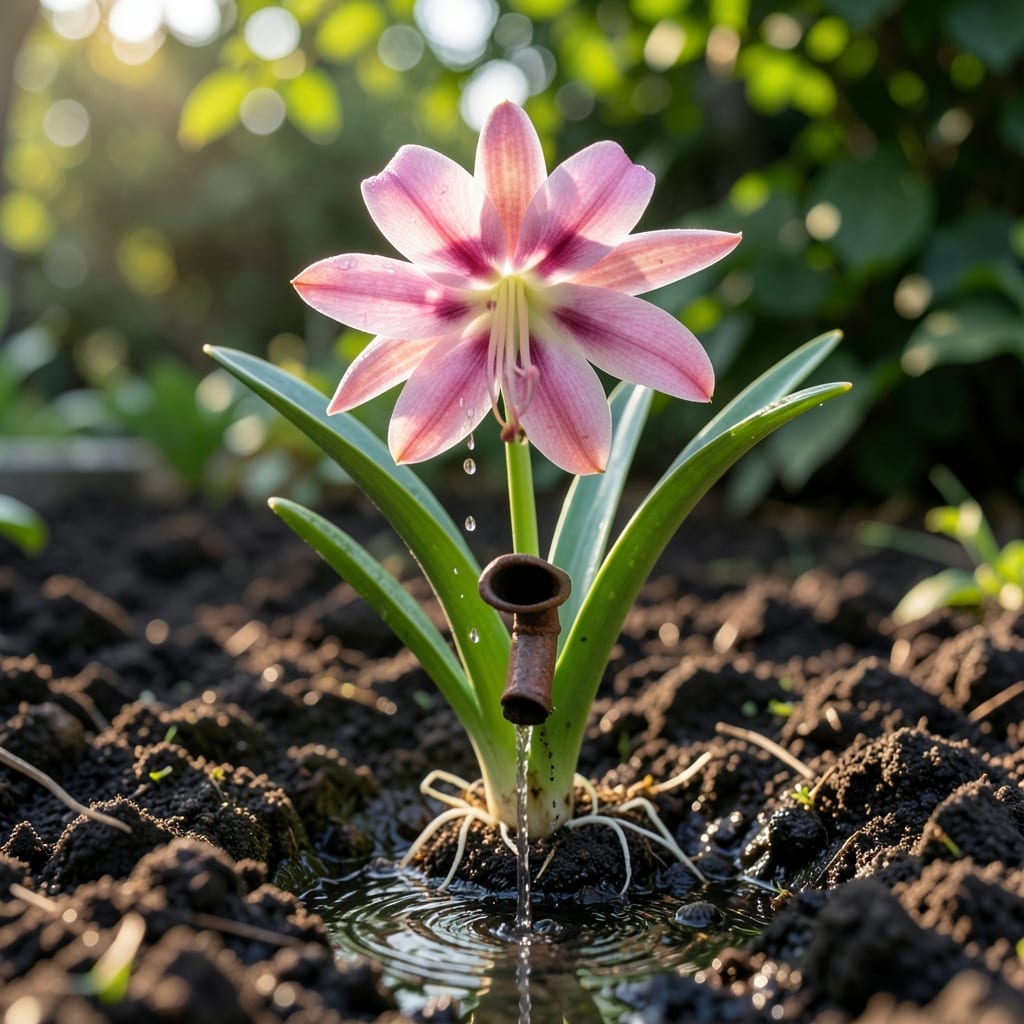
Forget light sprinkles—your pink spider lily craves a deep drink to build resilience. This method pushes water down to the root zone, teaching roots to grow deeper for better drought resistance.
Water slowly at the base until the soil is moist 12-18 inches deep, especially for established plants. Do this once weekly during active growth, then taper off as blooms fade. A moisture meter helps avoid guesswork.
Deep soaking pays off with stronger plants that bounce back faster during dry spells. Perfect for gardeners who want low-maintenance beauty. 🌱
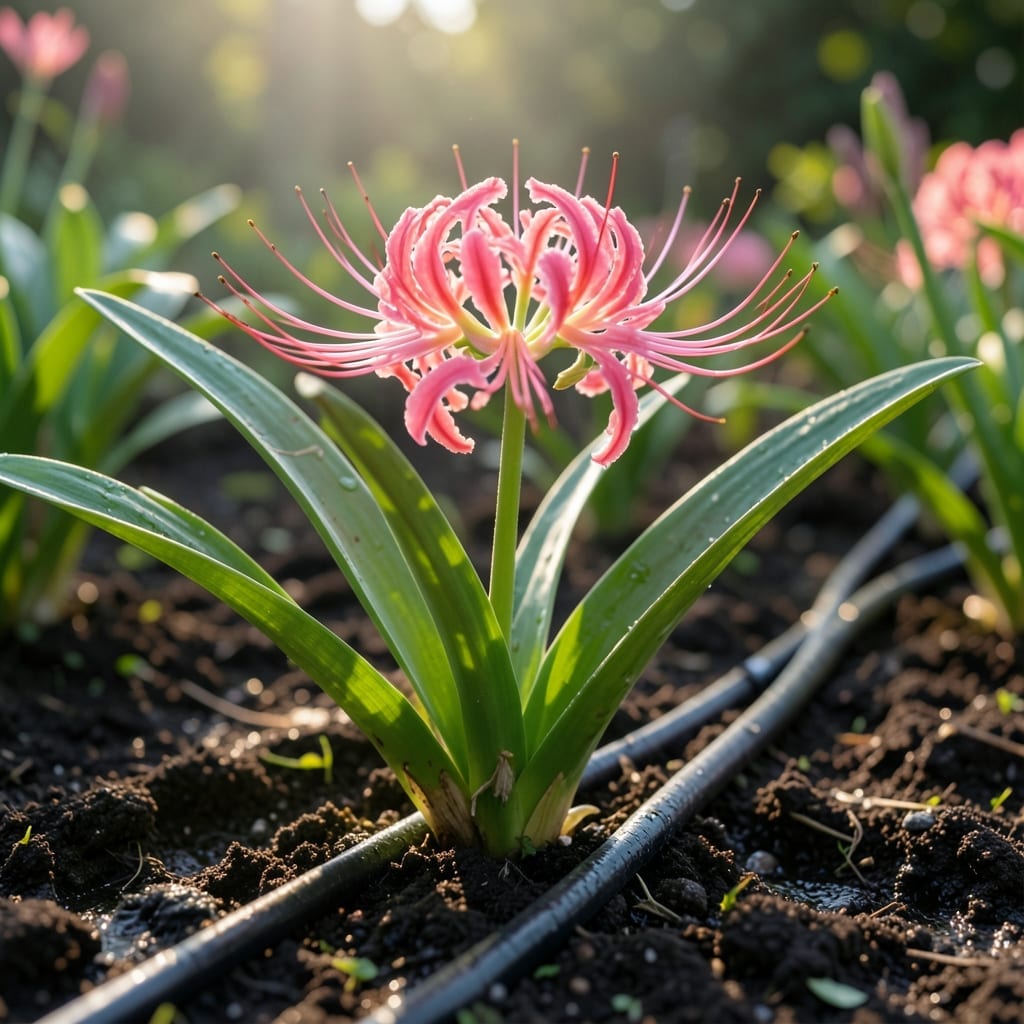
Your pink spider lily’s stunning blooms deserve protection from unsightly water spots and harmful fungi. Overhead watering can leave ugly marks on petals and create a breeding ground for diseases that thrive in damp conditions.
Always direct water at the soil level using a drip irrigation system or watering can. This keeps foliage and blooms dry while delivering moisture exactly where it’s needed. Flower-heavy plants especially benefit from this careful approach.
Gardeners who switch to soil-level watering notice healthier plants with longer-lasting, spot-free blooms. Perfect for show-stopping summer displays. 🌿
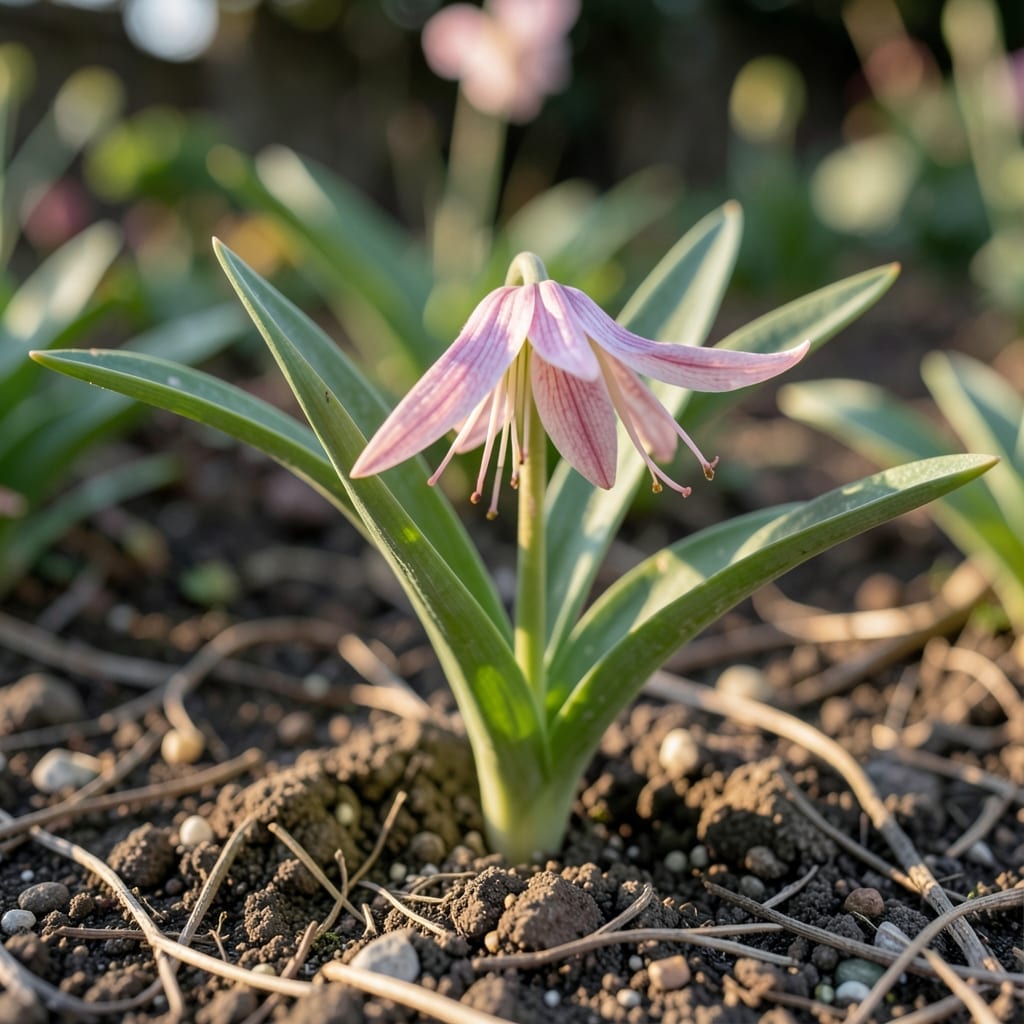
Your pink spider lily doesn’t need constant watering—learning its natural rhythms saves water and prevents root issues. These plants enter dormant periods where they require far less moisture, especially during dry seasons or after blooming.
Watch for signs like slightly wilted leaves or dry topsoil, which indicate it’s time to cut back. Overwatering during dormancy can rot roots, while moderate drought actually strengthens the plant for future growth. A moisture meter takes the guesswork out of timing.
This awareness is a game-changer for gardeners in arid climates or those aiming for water-wise landscapes. 🌿
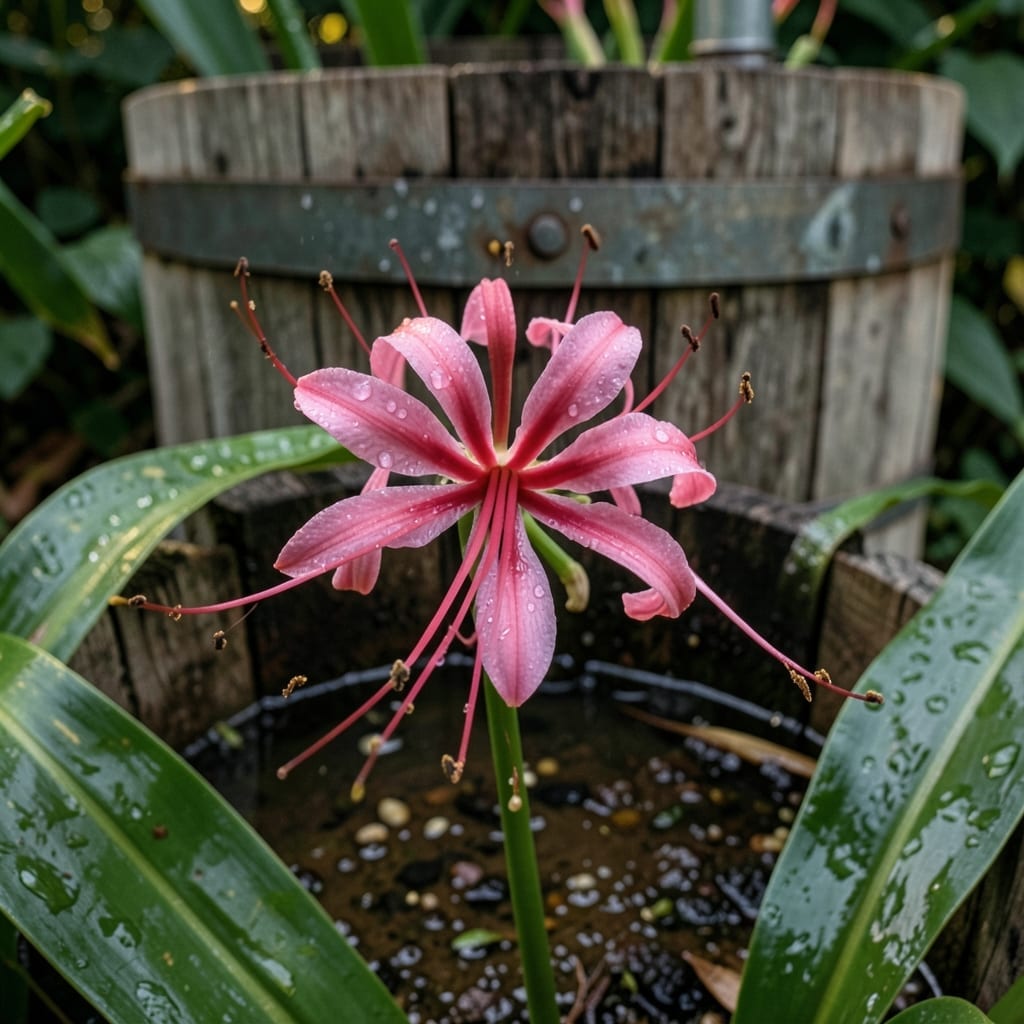
Ditch the hose and give your pink spider lily the pure, natural hydration it craves. Rainwater is free of chemicals like chlorine and fluoride found in tap water, which can accumulate in soil over time and stress your plants.
Set up a rain barrel beneath your downspout to collect runoff from your roof. This eco-friendly method provides soft, slightly acidic water that mimics the natural conditions these lilies love, promoting lush growth and vibrant blooms. A simple spigot makes watering a breeze.
Eco-conscious gardeners and those on a budget will love this sustainable solution that reduces water bills while pampering their plants. 🌿
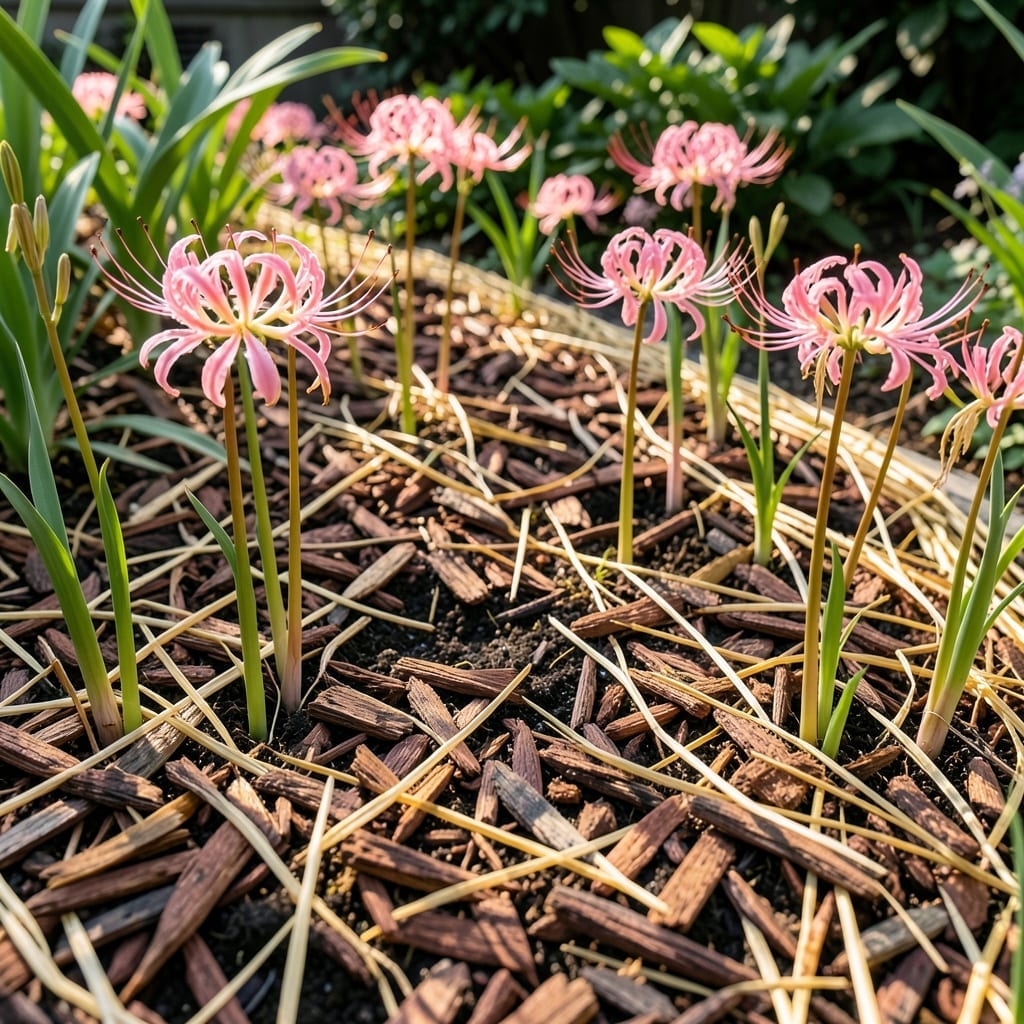
Busy gardeners will love how mulching slashes their watering chores while keeping pink spider lilies happy. A 2-3 inch layer of organic mulch like bark chips or straw acts like a moisture blanket, dramatically slowing evaporation from the soil surface.
This simple step maintains consistent soil moisture, reducing your watering frequency by up to 50%. It also suppresses weeds that compete for water and nutrients. Apply mulch in spring after soil warms, keeping it a few inches away from plant stems.
Perfect for time-strapped plant lovers who want lush blooms without the daily upkeep. 🌱
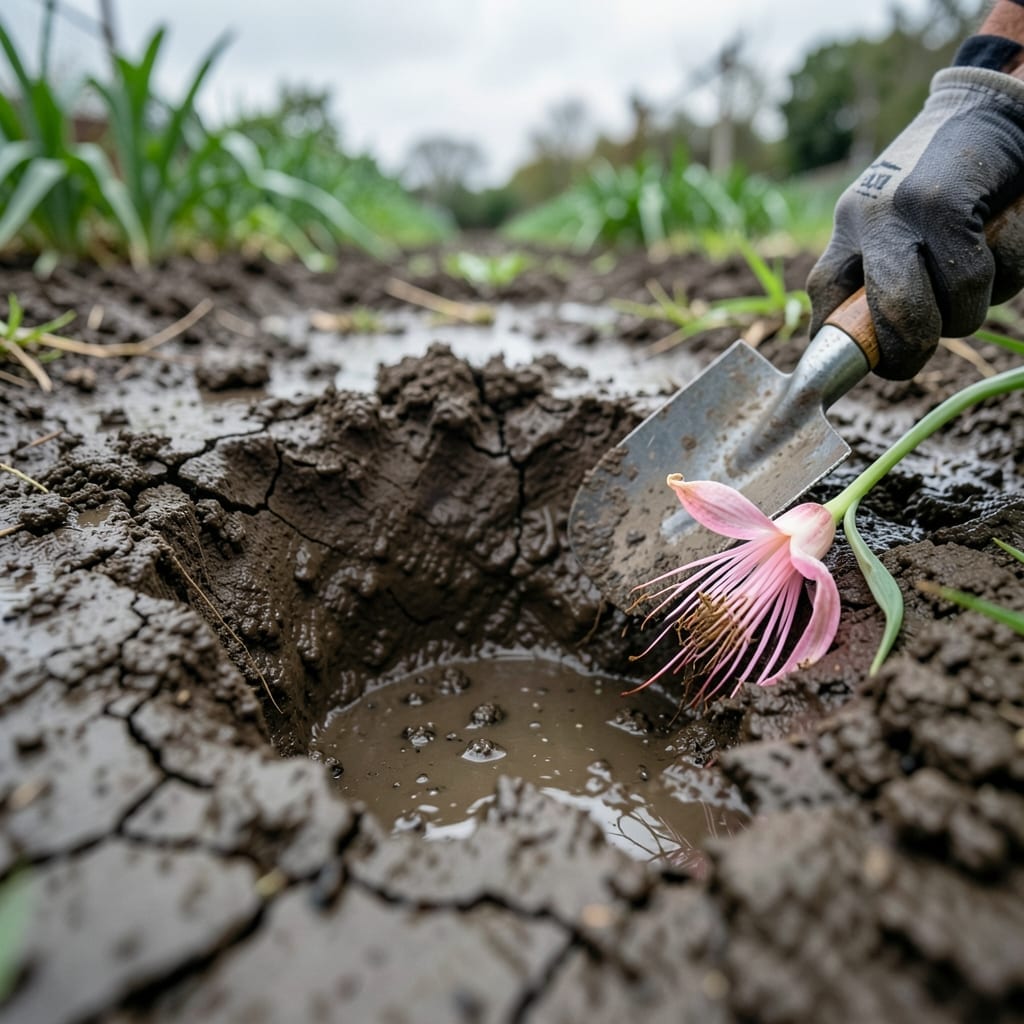
Clay-heavy soil can spell disaster for pink spider lilies if you skip this crucial check. Poor drainage traps water around roots, leading to rot that can kill your plants before you notice the damage.
Test your soil by digging a 12-inch hole and filling it with water—if it drains in under an hour, you’re in good shape. For slow-draining soil, amend with compost or sand to improve flow. This simple step prevents waterlogging and keeps roots healthy.
Gardeners with heavy clay soil will see the biggest payoff from this preventive measure, ensuring their lilies thrive for seasons. 🌱
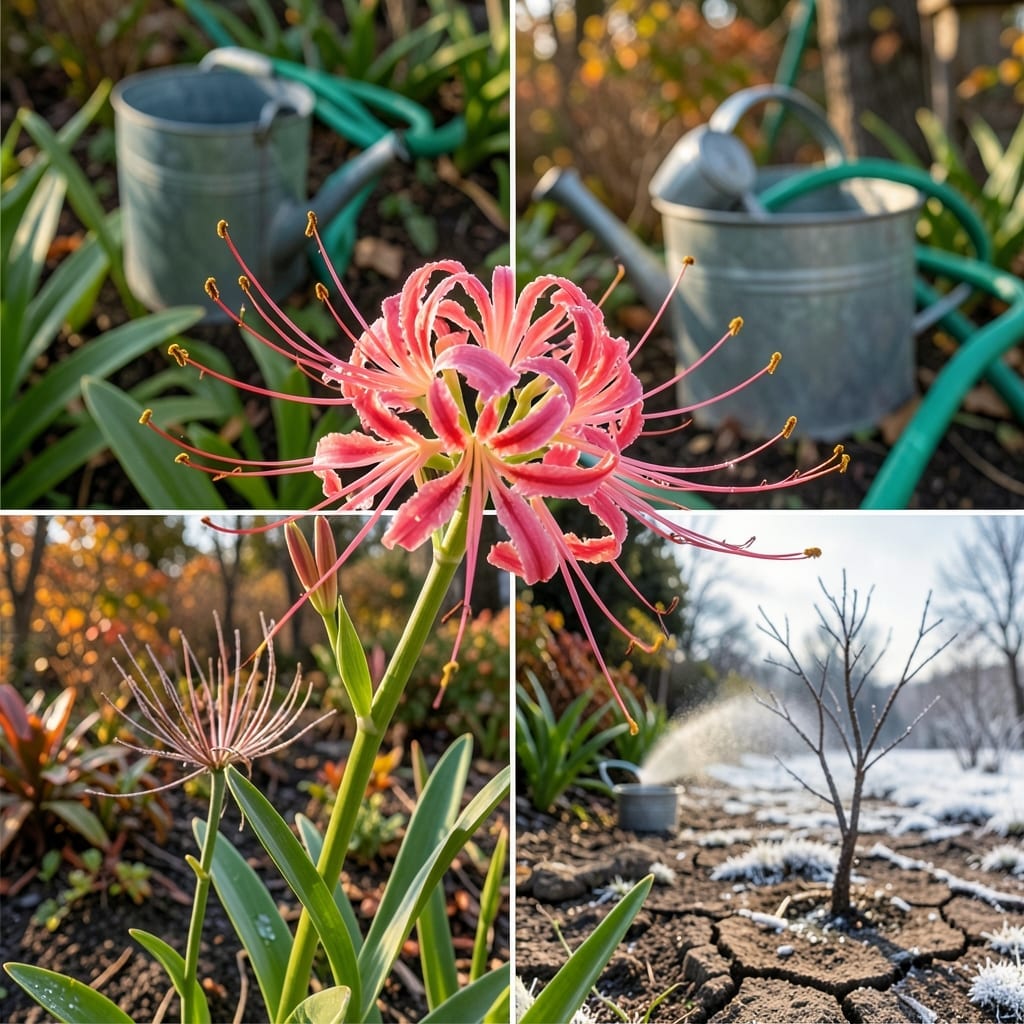
Your pink spider lily doesn’t need the same watering approach year-round. As temperatures rise in summer, increase watering to 2-3 times weekly, focusing on deep soaks to combat heat stress.
When fall arrives, gradually reduce frequency to once weekly, then taper off completely during winter dormancy. Always check soil moisture first—if the top 2 inches are dry, it’s time to water. This seasonal flexibility prevents both drought stress and root rot.
Gardeners in regions with distinct seasons will see the biggest benefits from this adaptive approach, keeping their lilies thriving through every phase. 🌿
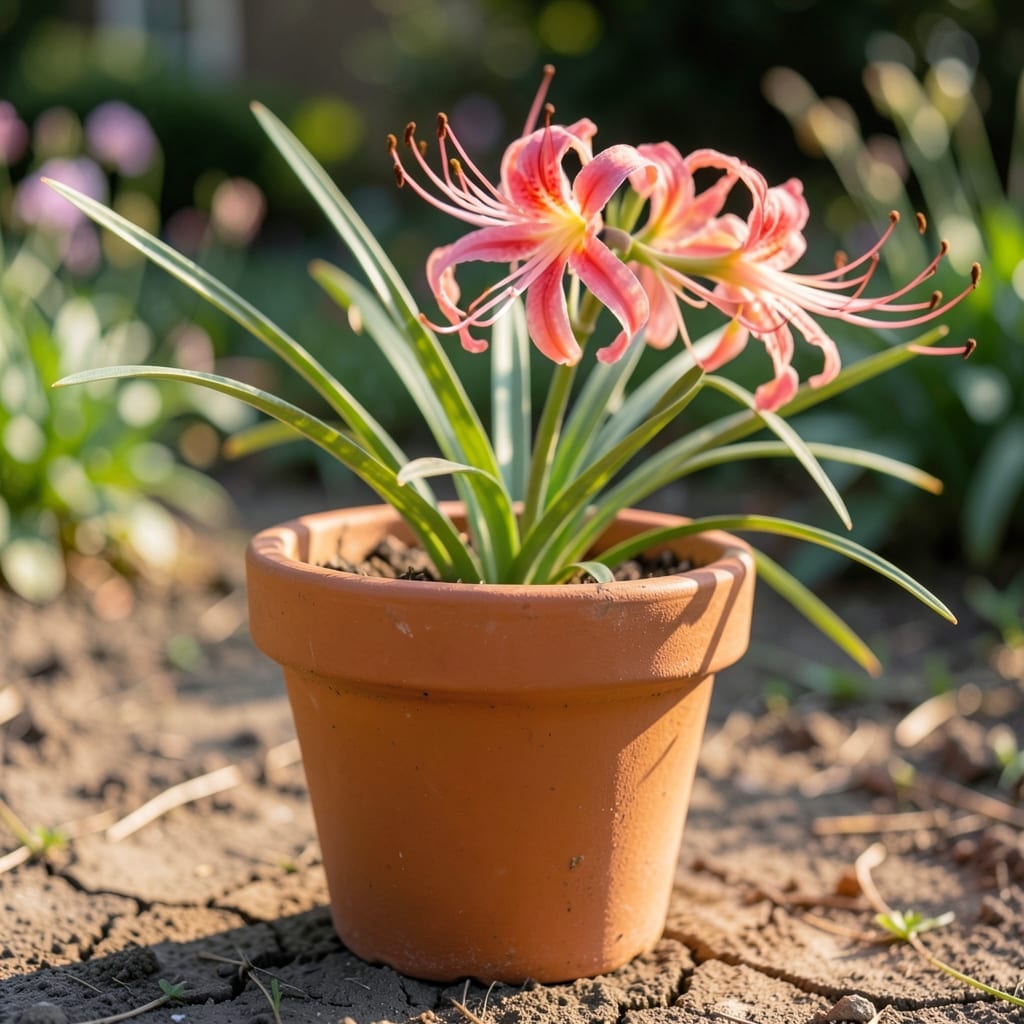
Potted pink spider lilies demand more frequent attention than their in-ground cousins. Containers dry out 2-3 times faster due to increased air exposure and limited soil volume, making consistent moisture monitoring essential.
Check soil daily in summer—water when the top inch feels dry. Terracotta pots wick moisture away fastest, so consider plastic or glazed ceramic for better retention. Always ensure containers have drainage holes to prevent soggy roots.
Urban gardeners and balcony plant lovers will find this extra care pays off with stunning, container-friendly blooms. 🌿
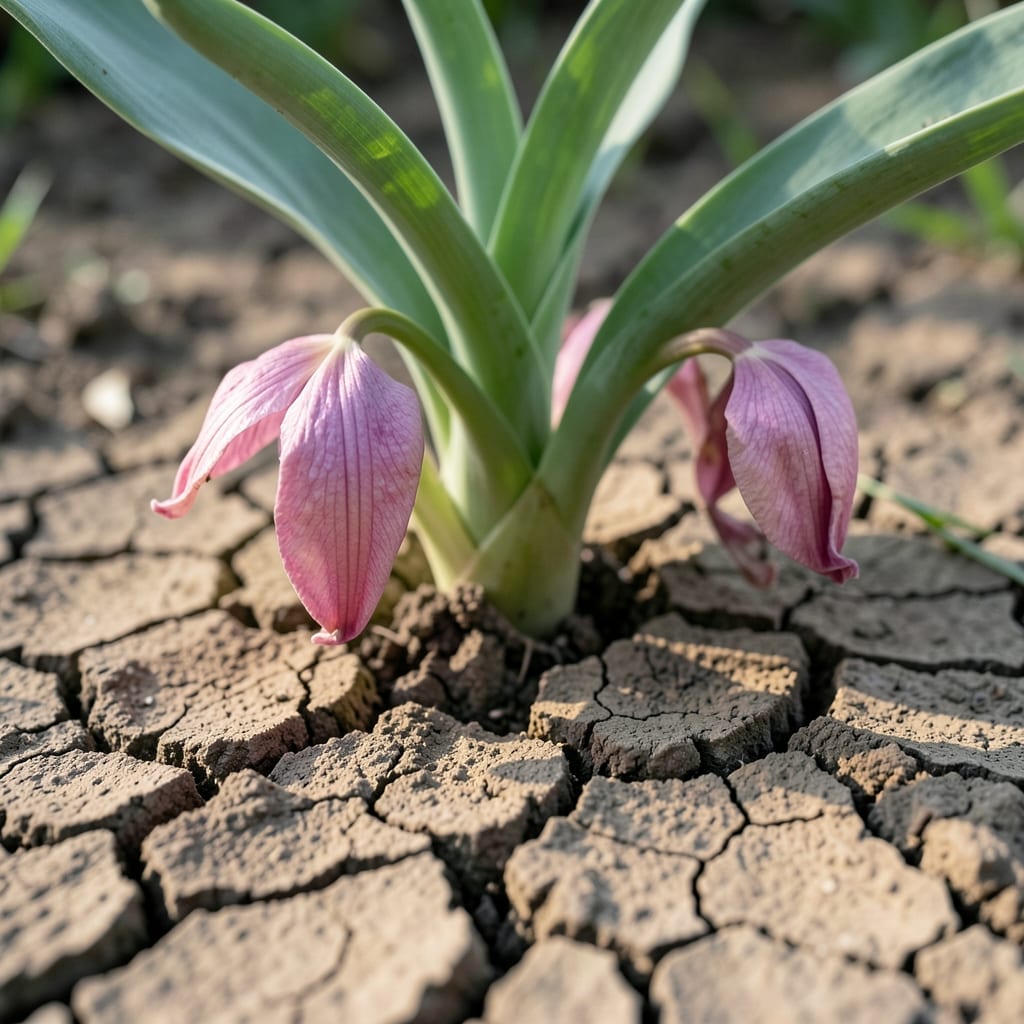
Your pink spider lily sends clear distress signals when it’s thirsty, and catching them early can save your plant. Look for drooping leaves that appear limp or curled, even in the cooler morning hours.
Check the soil around the base—if it’s dry and cracked to the touch, especially 1-2 inches down, your plant needs immediate hydration. These signs often appear before permanent damage occurs, giving you time to act.
New gardeners and those with busy schedules will find this knowledge invaluable for keeping their lilies vibrant and healthy. 🌱