
Beautiful Plants For Your Interior
Beautiful Plants For Your Interior
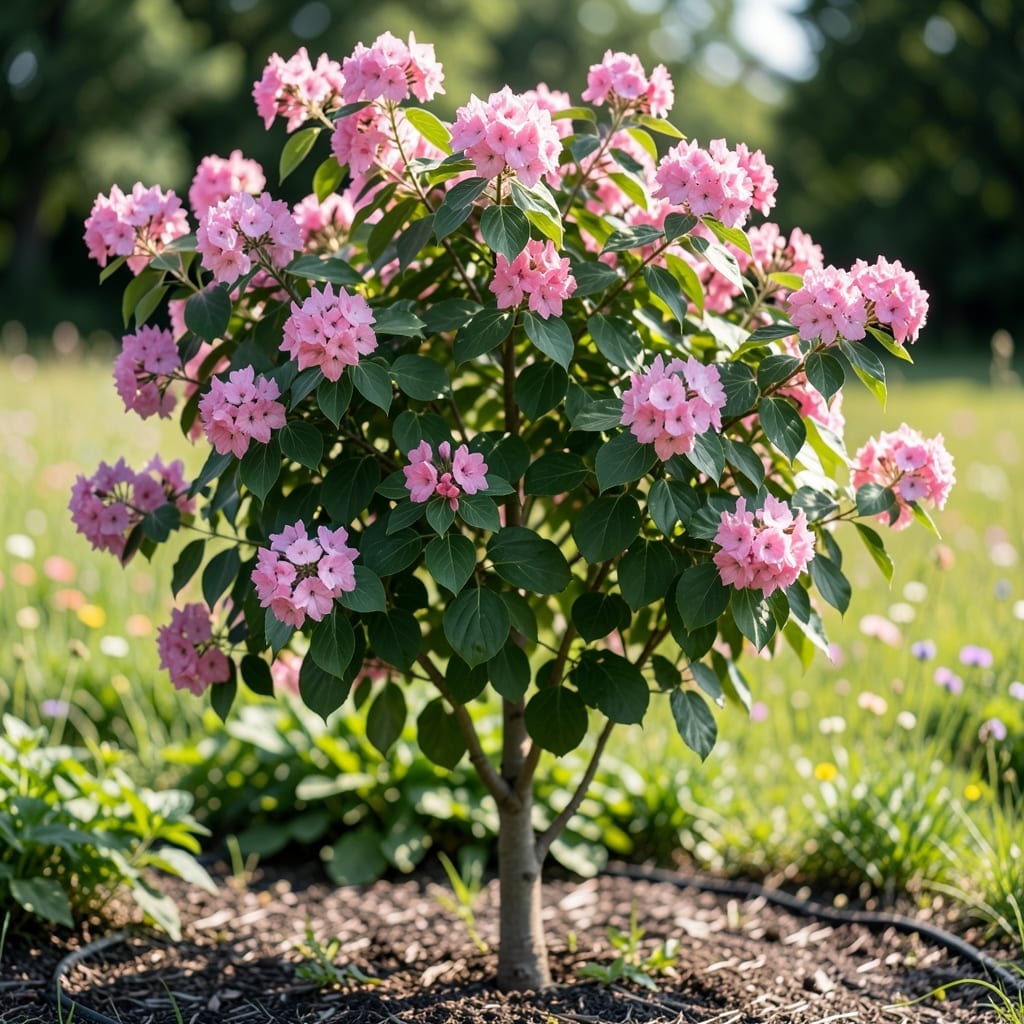
Watching a Pink Dogwood 🌳 transform from a delicate sapling into a stunning flowering tree is a rewarding journey for any gardener.
Understanding its growth pattern helps you plan, nurture, and enjoy this ornamental beauty at every stage. From the first 2-3 feet in year one to its majestic 20-30 foot mature height, each phase brings new wonders.
Discover what to expect and how to support healthy development through each growth milestone. Let’s explore the timeline together.


I love how a Pink Dogwood 🌳 starts small but grows into a showstopper. In the first year, expect 2-3 feet of growth as it establishes its root system. This is the foundation for future development.
By year two, your tree will typically reach 5-8 feet tall, with more noticeable branching. The root system strengthens, and you may see the first blossoms if conditions are ideal. This is when the magic starts to happen.
| Stage | Height | Key Development |
|---|---|---|
| Year 1 | 2-3 ft | Root establishment |
| Year 2 | 5-8 ft | Branching begins, possible first blooms |
| Year 3 | 10-15 ft | Fuller canopy, regular flowering |
| Mature | 20-30 ft | Full height, established blooming cycle |
In year three, the Pink Dogwood typically hits 10-15 feet and develops a fuller canopy. This is when you’ll notice regular flowering if the tree is healthy and well-cared for.
At full maturity, usually around 10-15 years, your tree will stand 20-30 feet tall. It will have a spread of 15-20 feet, creating a beautiful focal point in your landscape.
The growth rate slows as the tree matures, but it continues to fill out. I find that proper pruning helps maintain shape and encourages healthy new growth. Always prune after the tree has finished flowering for the season.
For the best results, plant your Pink Dogwood in well-draining, acidic soil with partial shade. Morning sun and afternoon shade are ideal. This mimics the tree’s natural understory habitat.
Remember that watering deeply once a week is better than frequent shallow watering. This encourages the roots to grow deep and strong, which supports the tree’s upward growth.
If you notice slow growth, check your soil’s pH. Dogwoods prefer slightly acidic soil (pH 5.5-6.5). A simple soil test can reveal if you need to amend your soil.
Finally, be patient. While the first few years show rapid growth, the tree’s full majesty reveals itself over time. The wait is absolutely worth it when you see those stunning pink blooms in spring 🌷
After seeing how Pink Dogwood 🌳 grows year by year, it’s clear that several factors can speed up or slow down its development. I’ve found that soil conditions play a huge role in how quickly your tree establishes itself.
Partial shade with 4-6 hours of morning sun creates the ideal light balance. Too much direct afternoon sun can stress the tree, while deep shade may lead to leggy growth and fewer blooms.
Watering practices dramatically affect growth rate. I always recommend a deep soak once or twice a week rather than daily light watering. This trains roots to grow deep and strong, supporting faster upward growth.
Your climate zone matters too. In warmer zones, growth may be slightly faster, while cooler areas might see slower initial growth. However, once established, Pink Dogwoods are remarkably adaptable across zones 5 through 9.
I notice that trees in poor soil often struggle to reach their full potential. Amending with organic matter before planting gives your Pink Dogwood the best start. A 2-3 inch mulch layer helps maintain moisture and soil temperature.
Finally, pruning at the wrong time can set back growth. Always prune immediately after flowering to avoid cutting off next year’s blooms. This timing allows the tree to recover and continue its growth trajectory without interruption.